Logistics processes – what are they?
What makes some companies fulfill thousands of orders without delays, while others struggle with errors and downtime? The answer lies in logistics and its centuries-long evolution – from ancient supply systems to the digital supply chains of the 21st century. The development of storage and transportation has laid the foundation for today’s Logistics 4.0. In this article, we explain what logistics processes are and how to optimize them to stay ahead of the competition.
Logistics processes – what are they?
Logistics processes encompass all activities related to the flow of goods – from the delivery of raw materials, through storage and order picking, to transportation to the customer. Their main goal is to ensure that products reach the end point at the right time, while optimizing costs and maintaining full control over the flow of goods and information.
What does this mean in practice? It means organizing work so that no disruptions occur at any stage of the logistics process. And that’s not always easy! Fortunately, technology and equipment can help, as we’ll explain below.
5 key logistics processes and how to improve them
Before that, let’s break down what logistics processes actually include.
Supply
One of the most frustrating scenarios? Delayed deliveries, missing components, and errors at goods receipt – a sure path to downtime.
This stage can be optimized using:
-
automated goods receipt systems,
-
integration with ERP and production systems,
-
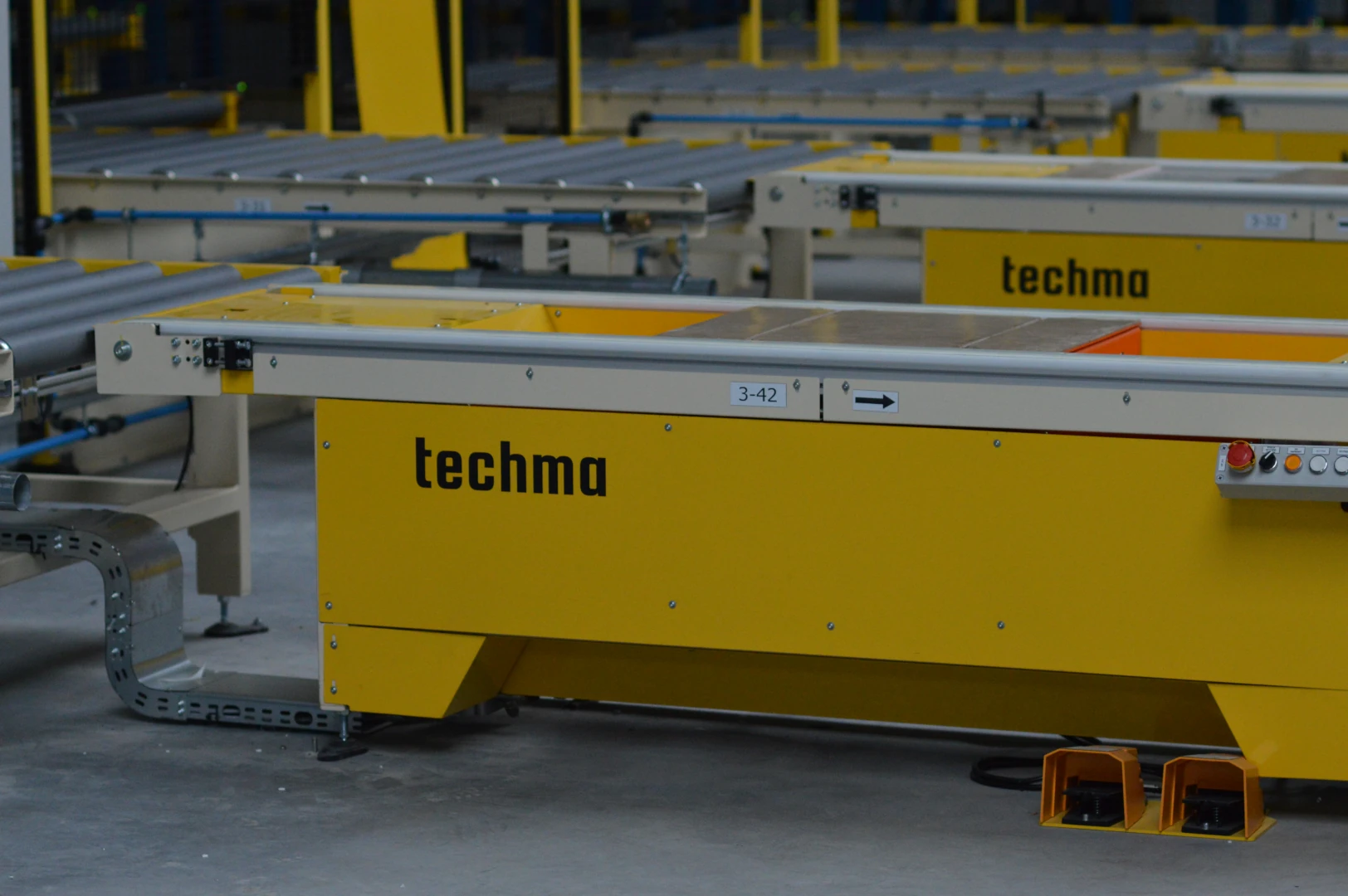
internal transport based on conveyors and AGV/AMR vehicles.
Automating the flow of raw materials from the dock to the warehouse or directly to the production line saves time and reduces errors.
Storage
Do you know what causes high financial losses? Poor warehouse organization.
Modern equipment and technologies allow you to:
-
increase storage density,
-
shorten access time to goods,
-
reduce manual labor,
-
improve safety.
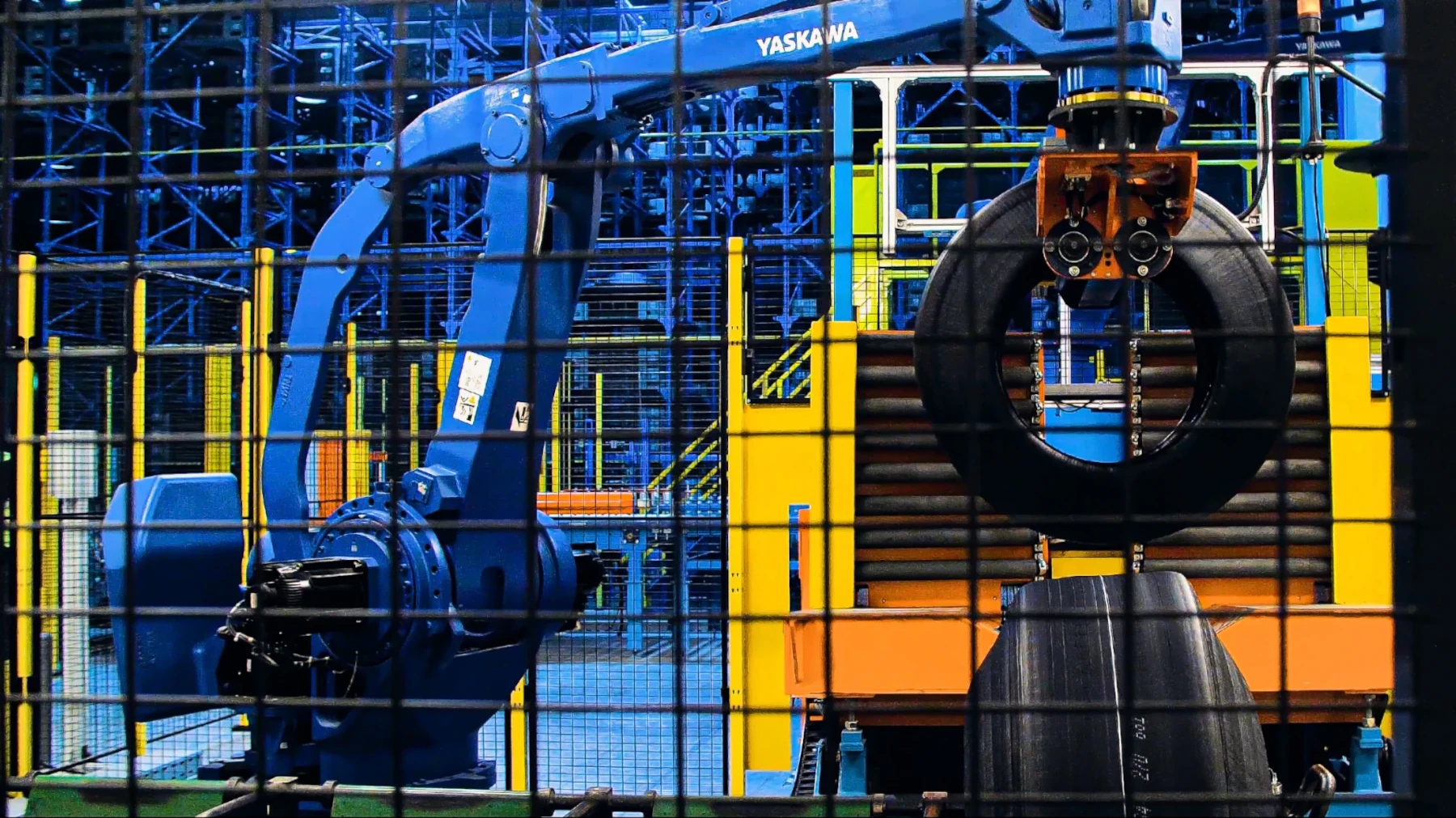
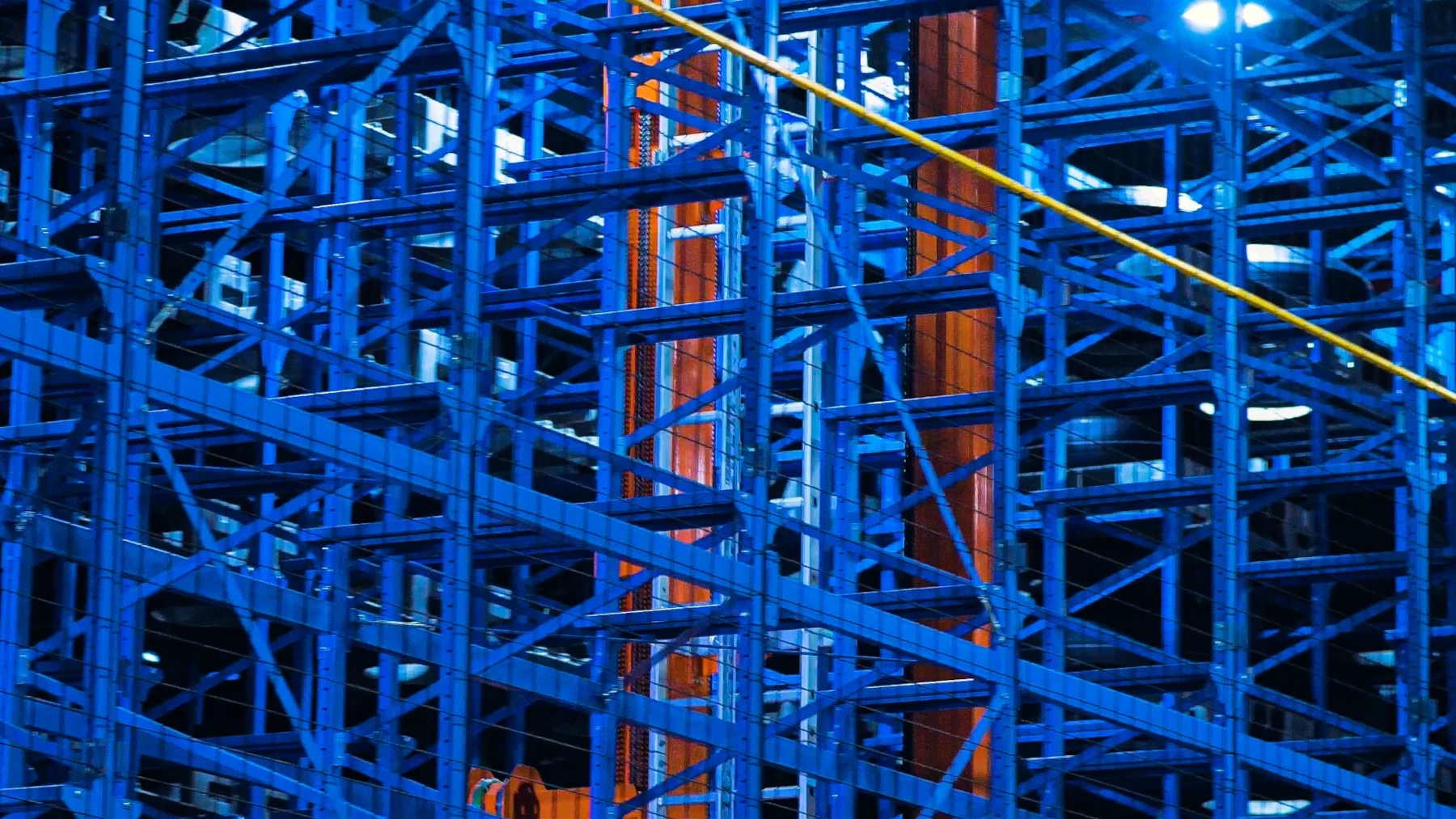
Pay attention to automated storage and retrieval systems (ASRS), stacker cranes, and shuttle systems. They help make full use of warehouse height, which is especially useful for high-turnover goods and limited space.
Inventory management
Effective inventory control relies on:
-
full product traceability,
-
real-time stock monitoring,
-
turnover analysis,
-
automated reporting.
The solution? IT systems integrated with warehouse automation. They are ideal for tracking every unit from receipt to shipment.
Order picking and shipping
This stage often generates the most errors, as it involves:
-
picking goods,
-
order consolidation,
-
packing,
-
labeling,
-
handing over to transport.
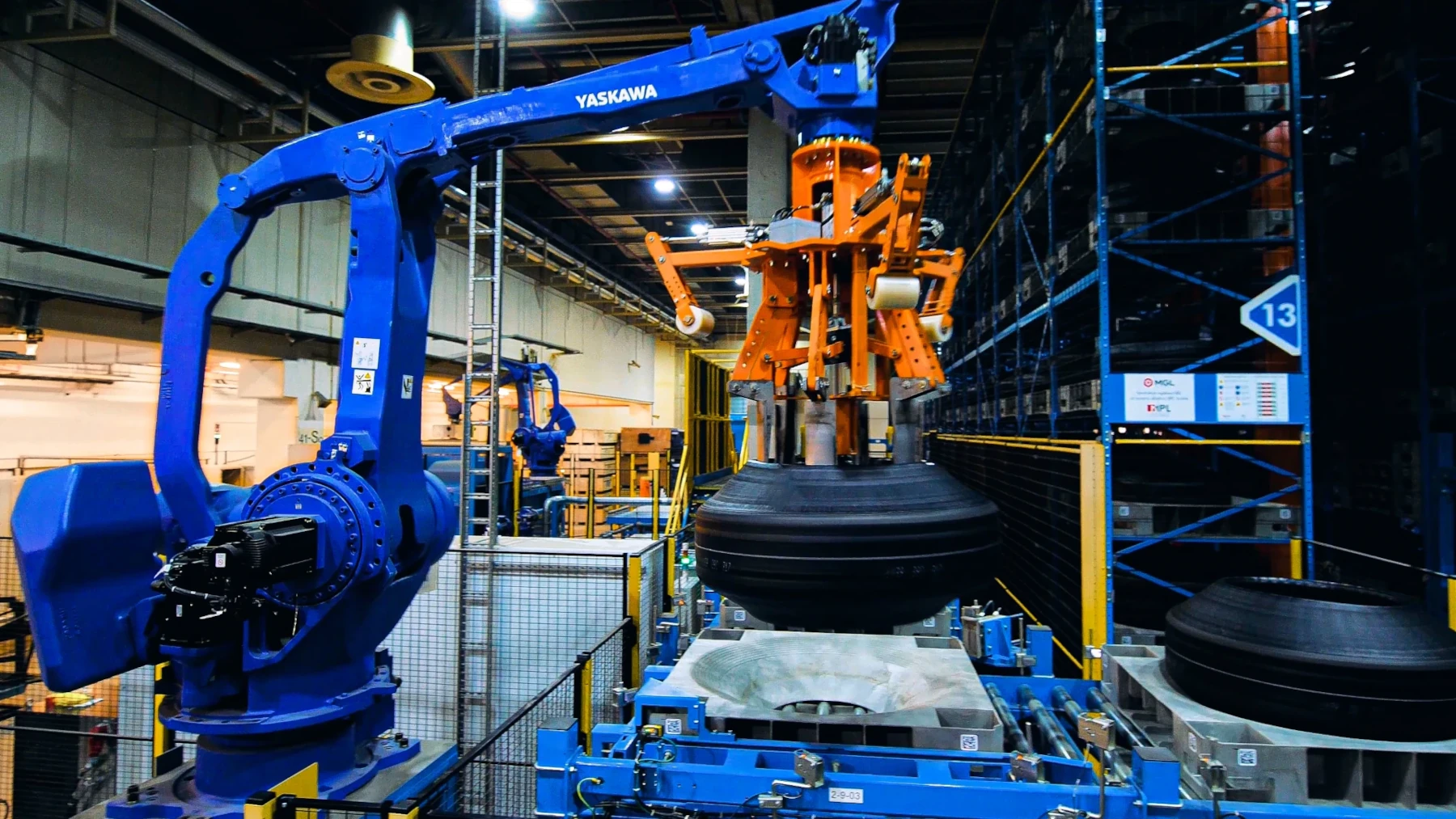
Support comes from automated conveyors, shuttle vehicles, transport robots, and packing stations integrated with control systems. These technologies can reduce order fulfillment time by up to several dozen percent.
Transport and delivery
Transport is often handled by external carriers, but much happens in the warehouse too – labeling errors, loading delays, or lack of synchronization with carriers.
Optimization includes:
-
planning loading windows,
-
automatic parcel sorting,
-
IT system integration with transport companies.
How intralogistics equipment supports logistics processes
|
Logistics process |
Challenge |
MPL Techma solutions |
Business effect |
|
Supply |
Delays, receipt errors |
Conveyors, AGV/AMR vehicles, dedicated systems |
Smooth material flow, fewer downtimes |
|
Storage |
Lack of space, low efficiency |
Stacker cranes, shuttle systems, warehouse lifts |
Maximum space utilization |
|
Inventory management |
Lack of control, excess stock |
Warehouse analytics, IT system integration |
Full visibility and inventory optimization |
|
Order picking |
Errors, slow fulfillment |
Conveyors, robotic stations, automated vehicles |
Faster and error-free shipments |
|
Internal transport |
Bottlenecks |
Comprehensive transport and handling systems |
Higher operational throughput |
Automating logistics processes with experts
Since 2003, we have been developing expertise in industrial automation. In 2019, we implemented our first automated high-bay warehouse project, and intralogistics became our main area of growth.
Today, as a Polish manufacturer, we provide:
-
stacker cranes,
-
shuttle and carousels systems,
-
warehouse lifts,
-
roller and belt conveyors,
-
custom solutions for specific loads,
-
warehouse analytics and IT integration systems.
If delays, errors, and financial losses occur regularly, it’s a sign to analyze your logistics processes and identify where automation will have the biggest impact.
At MPL Techma, we design tailored intralogistics systems from concept and analysis, through mechanical and automation design, to implementation and integration with existing infrastructure. Contact us to see how you can streamline your logistics processes and gain a competitive edge.
FAQ – What are logistics processes?
1. What are logistics processes?
Logistics processes are an organized chain of operations closely related to the flow of materials within a company. Their goal is efficient transportation and storage of products while ensuring high customer service levels.
2. Why is a logistics system important in a company?
A logistics system allows efficient management of all distribution and order preparation activities. It helps optimize logistics costs and improve market competitiveness.
3. What is the significance of warehousing?
Warehousing is crucial for orderly material flow and effective order preparation and shipment. Proper warehouse management directly affects customer satisfaction and transportation cost control.
4. How does e-commerce impact logistics?
E-commerce requires precise management of logistics processes and fast customer service. A logistics system must support route monitoring, packing, and loading within defined timeframes.
5. What is logistics cost optimization?
Logistics cost optimization involves reducing expenses related to transportation, storage, and distribution. Modern technologies allow companies to increase efficiency and minimize errors in operations.
6. What is the importance of international transport?
International transport requires cooperation with reliable suppliers and precise logistics planning. Properly organized transport ensures timely distribution and high-quality logistics service.
7. How do automation and digitalization support logistics?
Automation and digitalization enable efficient order processing and precise inventory monitoring. Advanced IT systems help organize the chain of operations closely linked to material flow.
8. Why is sustainable development important in logistics?
Sustainable and eco-friendly transport reduces CO₂ emissions and transportation costs. Companies implementing green transport increase competitiveness and customer satisfaction.
9. What affects customer satisfaction in logistics?
Customer satisfaction depends on efficient service, accurate product identification, and timely delivery. Coordinated logistics processes and efficient operations directly contribute to positive customer experiences.
10. What challenges do companies face in logistics?
Key challenges include supply chain management and optimizing transportation costs in a dynamic industry. Efficient logistics systems and modern technologies help maintain competitiveness and high customer service levels.