Push and pull strategies in production logistics – how to optimize your warehouse
Companies often face a dilemma: should they produce goods in advance or only after receiving a customer order? The answer affects not only production planning but also storage and internal transport. In this context, we talk about push and pull systems – two models that are fundamentally different. Here, we explain their differences, advantages, and disadvantages, and which approach might be the best fit.
Differences between push and pull systems – key points
The push system involves producing goods in advance, based on demand forecasts. Products are stored in the warehouse before any orders are placed. Distribution relies on prior planning.
The pull system works the opposite way – production begins only after receiving a customer order. This model significantly reduces storage time, and the flow of materials and components occurs in real-time, according to actual demand.
In short: push = planning ahead, pull = responding in real time.
Advantages and disadvantages of push and pull systems
Push strategy in logistics
|
Advantages |
Description |
|
Lower unit costs |
Producing large batches allows for economies of scale. |
|
Predictability |
Easier to plan inventory and shipping schedules. |
|
Efficient warehouse use |
Large batches make it easier to organize racks and support equipment. |
|
Disadvantages / Challenges |
Description |
|
Risk of overproduction |
Incorrect demand forecasts can lead to overproduction or stock shortages. |
|
High storage costs |
Large batches require more space and warehouse infrastructure. |
|
Lower flexibility |
Harder to respond to sudden changes in demand or individual customer orders. |
Pull strategy in logistics
|
Advantages |
Description |
|
Less storage |
Production aligned with actual demand eliminates excess inventory. |
|
Production flexibility |
Ability to customize products based on customer orders. |
|
Sustainable logistics |
Reducing overproduction lowers material waste and energy consumption. |
|
Disadvantages / Challenges |
Description |
|
Longer lead times |
Production based on orders may require informing customers about delivery times in advance. |
|
Variable costs |
Smaller batches may not fully benefit from economies of scale. |
|
Requires efficient logistics |
Needs integration with WMS, ERP, and internal transport systems, including conveyors and shuttle vehicles. |
Warehouse logistics and choosing push or pull
The choice of a push or pull system affects every aspect of warehouse operations:
-
In a push system, plan for larger storage space and use modern stacker cranes to store inventory. Pull systems require smooth, real-time flow of goods with minimal storage.
-
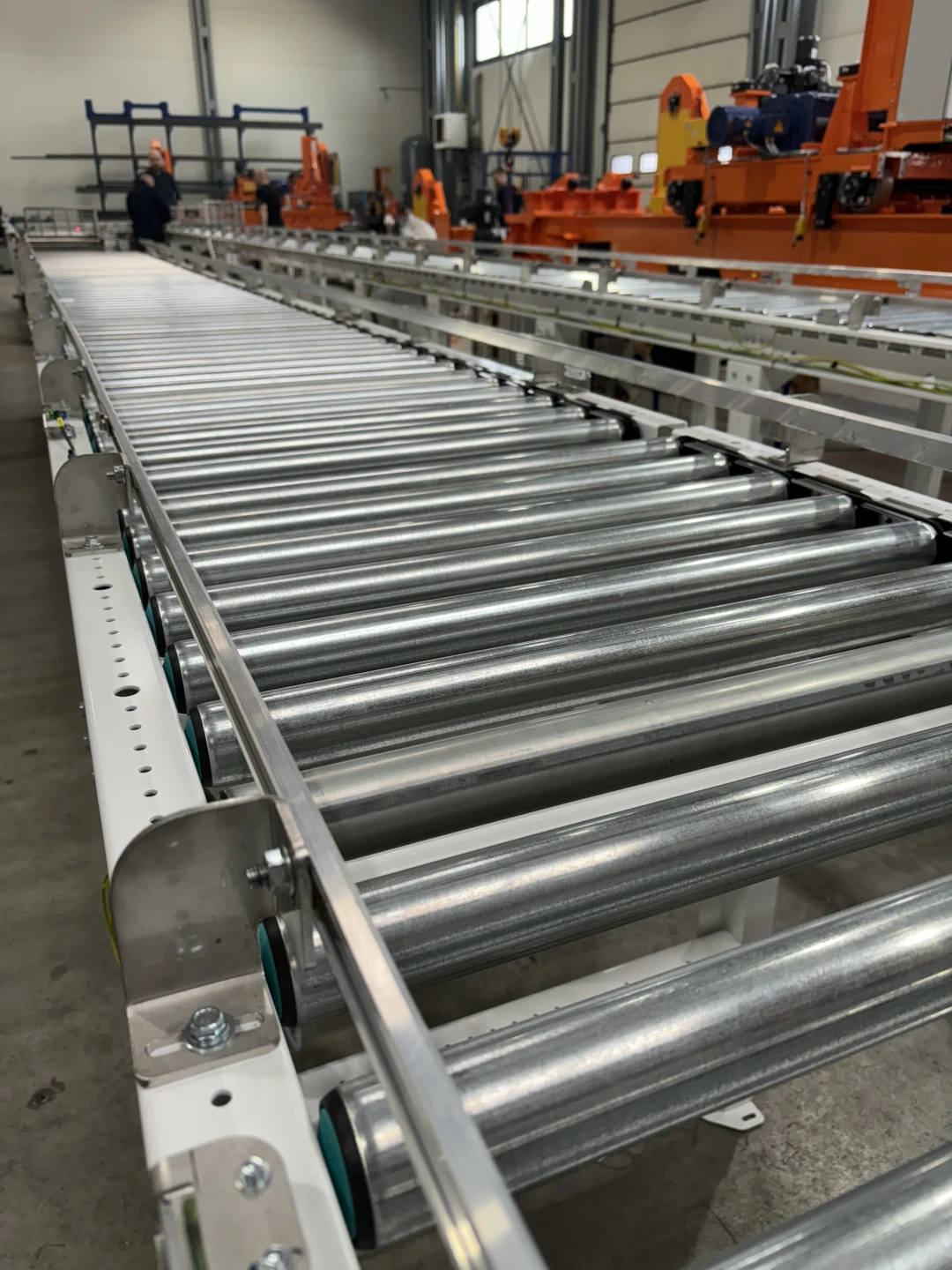
Automated warehouse equipment, pallet conveyors, shuttle vehicles, and warehouse lifts efficiently connect the warehouse with the production line.
-
Regardless of strategy, tracking the location and status of goods is essential. Integration with WMS, ERP, and MRP systems reduces errors.
Examples of push and pull systems in practice
Push system – confectionery manufacturer
A company producing seasonal chocolates uses the push system, especially during holidays. Large product batches are stored in automated pallet warehouses and distributed to stores according to schedule. With MPL Techma stacker cranes and conveyors, loading and preparing batches for shipment becomes faster and simpler.
Benefits: shorter order picking time, fewer warehouse errors, and continuous supply to retail customers.
Pull system – furniture manufacturer
A company offers custom furniture and personalized products. Production starts only after receiving a customer order. Integration of the WMS system ensures components reach their destination on time.
Benefits: minimal storage time and noticeably lower warehouse costs.
Hybrid model – automotive industry
Some factories combine both approaches. For example, standard cars are produced using a push system, while custom orders follow a pull system. Hybrid solutions like this are also possible.
In summary, the choice between push and pull logistics strategies directly affects warehouse operations. Push = production planning in advance, Pull = production based on actual customer demand. Comparing both strategies shows their differences, strengths, and weaknesses.
How MPL Techma supports push and pull warehouses
We provide equipment to support both push and pull strategies:
-
Stacker cranes – optimize space and ensure access to batches in a push system.
-
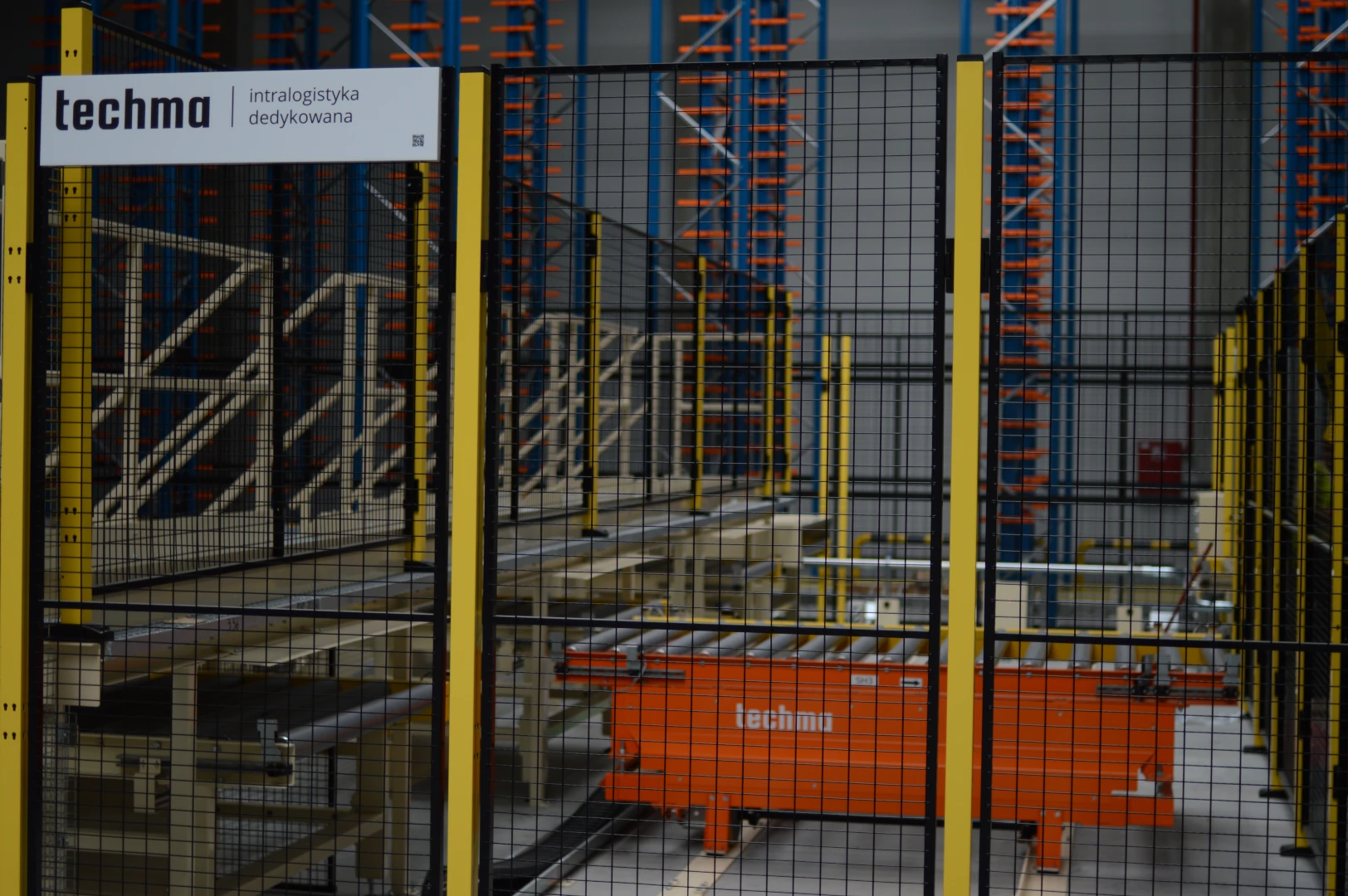
Shuttle vehicles and internal transport – enable smooth material flow in a pull system.
-
Warehouse lifts and conveyors – enable fast movement between warehouse levels and production lines.
Modern equipment transforms the warehouse into a distribution hub with lower costs and more efficient deliveries. Our technologies support all production models. From automatic stacker cranes, shuttle vehicles, conveyors, and lifts to WMS and ERP integration, every company can efficiently manage a push, pull, or hybrid warehouse while staying ahead of the competition.
FAQ – Push and pull systems in production logistics
1. What is the push strategy?
Push is based on forecasts and involves producing goods in advance, before customer orders arrive. It minimizes the risk of stockouts but requires more production planning.
2. What is the pull strategy?
Pull starts production only after receiving a customer order. It is ideal for lean manufacturing and minimizing inventory.
3. What are the advantages of the push system?
Push leverages economies of scale, simplifies production scheduling, and improves inventory management.
4. What are the disadvantages of the push system?
The main disadvantage is the risk of overproduction if forecasts are inaccurate. It also requires more warehouse space and reduces production flexibility.
5. What are the advantages of the pull system?
Pull minimizes inventory, aligns production with actual demand, and supports lean manufacturing.
6. What are the disadvantages of the pull system?
Pull can be less efficient for large orders due to production lead time. Integration with ERP and internal transport systems is necessary to ensure smooth material flow.
7. When should the push strategy be used?
Push is suitable for predictable demand and large batch production, enabling better use of production schedules.
8. When should the pull strategy be used?
Pull is best for made-to-order or personalized products. It reduces inventory and supports lean production.
9. Can push and pull be combined?
Yes – hybrid models are common, e.g., in automotive manufacturing. Standard products can be produced with push, while custom orders follow pull.
10. How does MPL Techma support push and pull implementation?
MPL Techma provides stacker cranes, shuttle vehicles, lifts, and conveyors that support both push and pull strategies.