Cross-docking – what it is and the advantages it offers? Order consolidation
Does a warehouse always have to be a place where goods stay for several days? Not necessarily. It can function as a quick transfer point rather than long-term storage. This is exactly how cross-docking works – a logistics strategy that dates back to military operations in the 1930s and saw its real boom in retail during the 1980s.
Today, in the e-commerce era, cross-docking has become one of the pillars of modern logistics because it minimizes the path goods travel from supplier to customer. Who should consider cross-docking?
Cross-docking – what is it? Order consolidation = faster delivery
Cross-docking is a logistics process in which goods barely enter the storage area. Upon arrival at the warehouse, they are quickly identified, optionally consolidated with other deliveries, and immediately sent out for shipping.
The warehouse stops acting as a buffer. It becomes a transfer point where the most important factors are:
-
delivery synchronization,
-
careful planning,
-
efficient internal transport,
-
system support (WMS, analytics, or ERP integration).
Why are companies increasingly choosing cross-docking?
In the 21st century, order fulfillment time is crucial and is often considered a key competitiveness factor. Customer expectations are rising, costs are increasing, and companies compete by implementing ever better innovations.
Every hour a product sits on a shelf generates a cost. But that’s not all—it also blocks space, increases the risk of errors, and leads to unnecessary expenses.
Cross-docking minimizes these problems. Goods essentially flow through the warehouse instead of staying in it.
The benefits include:
-
shorter lead times,
-
lower costs,
-
reduced storage space requirements,
-
fewer order-picking operations.
However, it’s worth noting that this model requires very good organization and properly designed infrastructure.
How does cross-docking work in practice?
Here’s an example process to illustrate how cross-docking works in reality:
Planning and delivery scheduling are the first steps, as the timetable must be coordinated—lack of coordination leads to congestion at the loading docks
Upon receipt, specialists inspect the goods and verify quantities and quality. Depending on the operational model, the goods may be:
-
forwarded in the same load unit,
-
split and consolidated with other batches,
-
combined with goods from a buffer warehouse.
Types of cross-docking – not every warehouse operates the same
In practice, there are three main models:
|
Cross-docking model |
Characteristics |
Operational complexity |
Best suited for |
|
Full pallet/unit cross-docking |
Simplest variant. Pallets or other load units are prepared by the supplier for a specific recipient. The warehouse only receives and forwards the goods. |
Low – minimal operational involvement |
High-volume, repetitive shipments, fixed distribution routes, retail chains |
|
Cross-docking with consolidation |
Goods are combined, split, or reconfigured according to customer orders. Requires a picking and transfer area. |
Medium – more operations and staff/system involvement |
Diverse orders, multiple recipients, flexible distribution |
|
Intermediate model (with buffer) |
Some goods go directly to shipping, while others go to short-term buffer storage. Allows response to variable demand. |
High – requires precise coordination and system support |
Variable demand, seasonality, need for operational flexibility |
Each model can be automated, but the question is to what extent and at what operational scale it is cost-effective.
Cross-docking and automation – where the advantage begins
From our experience in designing intralogistics systems, one thing is clear: cross-docking cannot thrive without technology support.
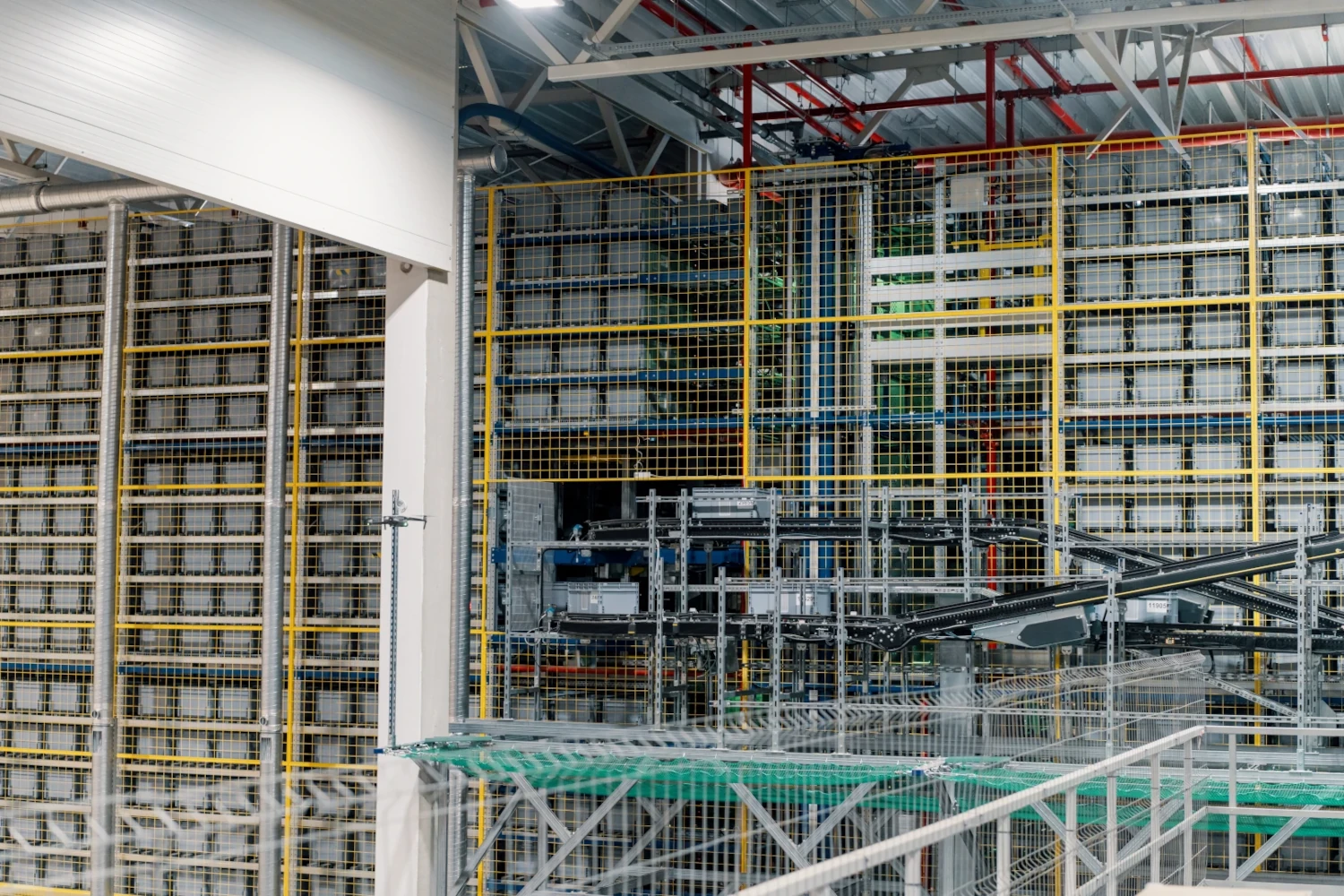
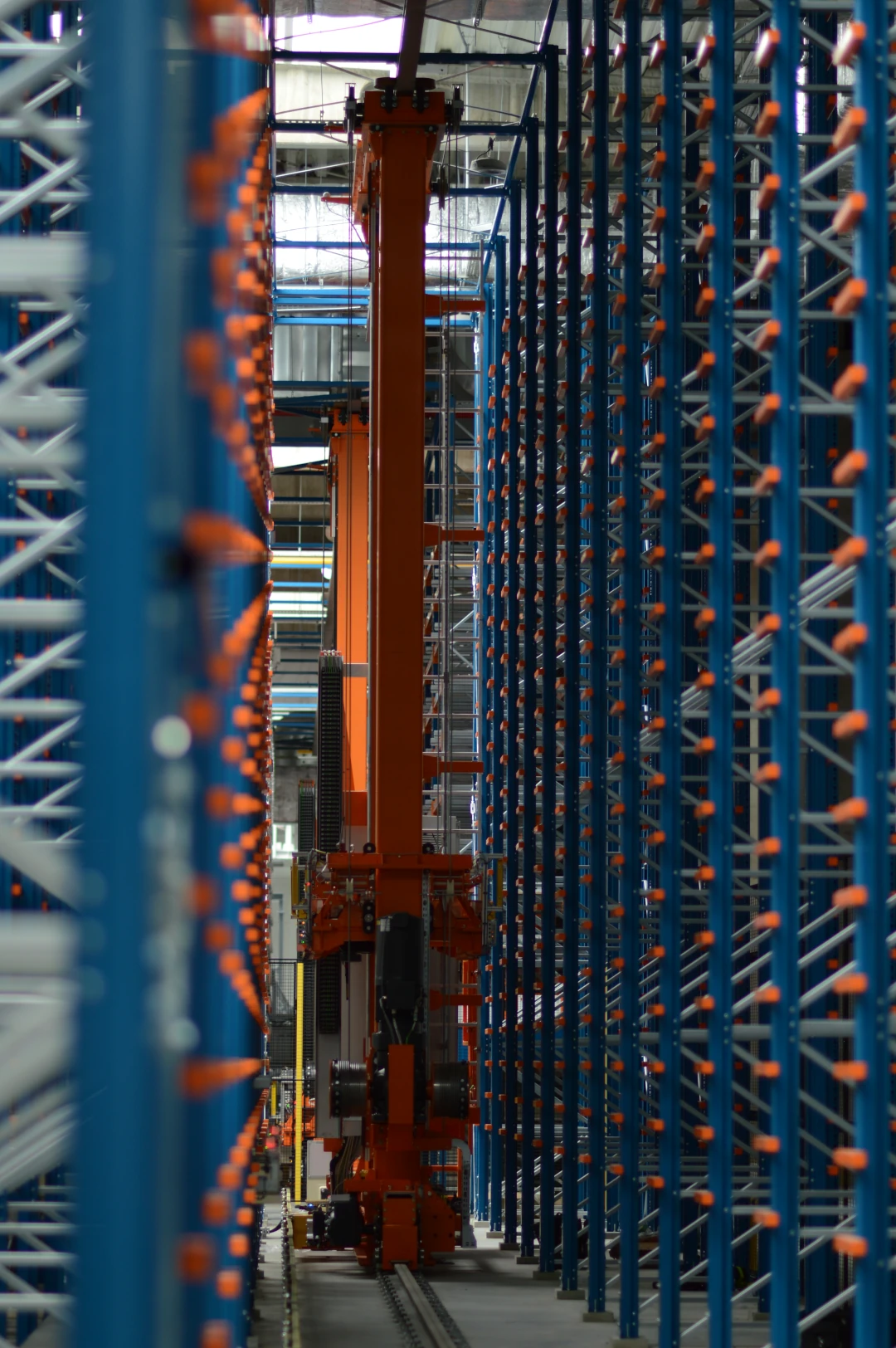
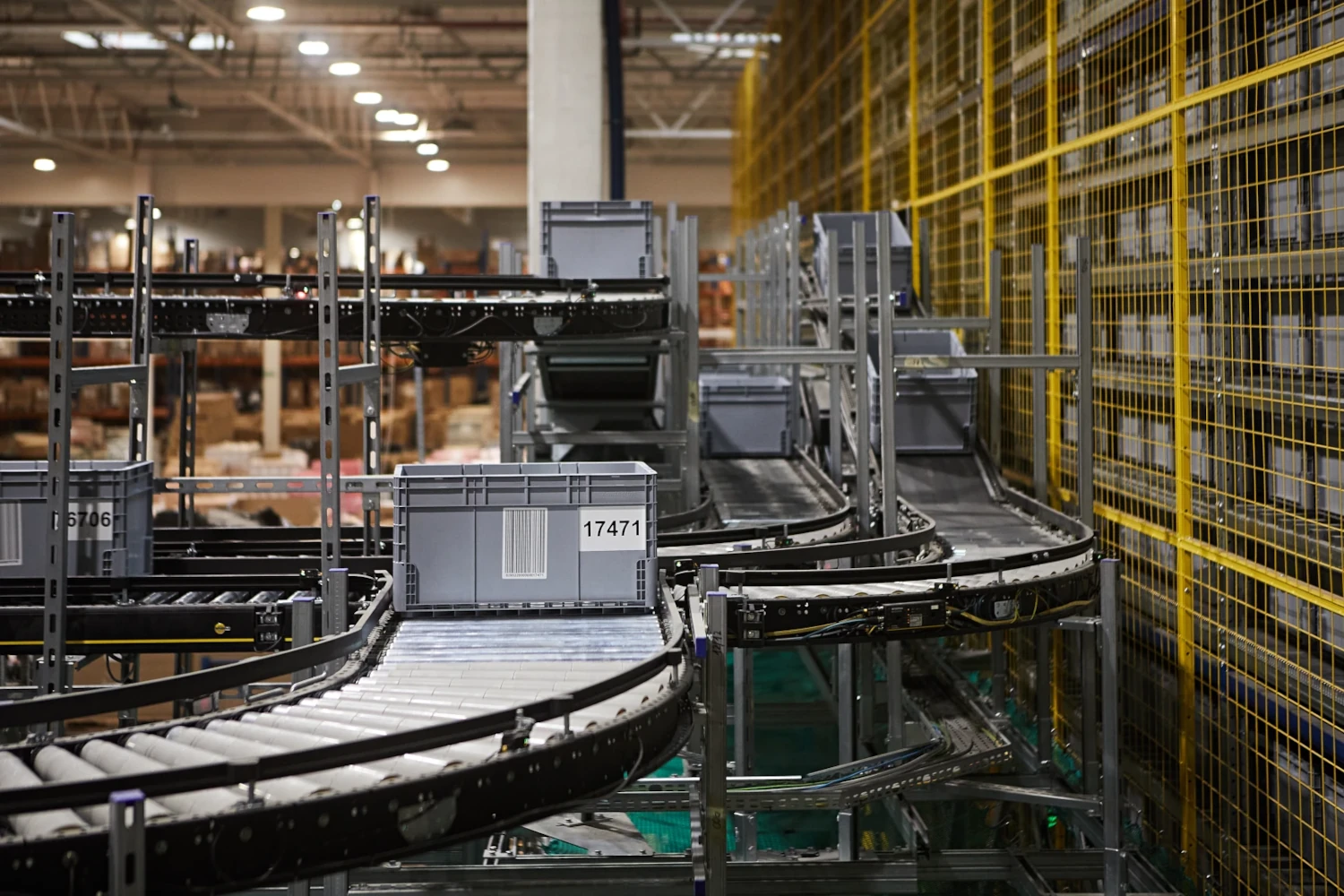
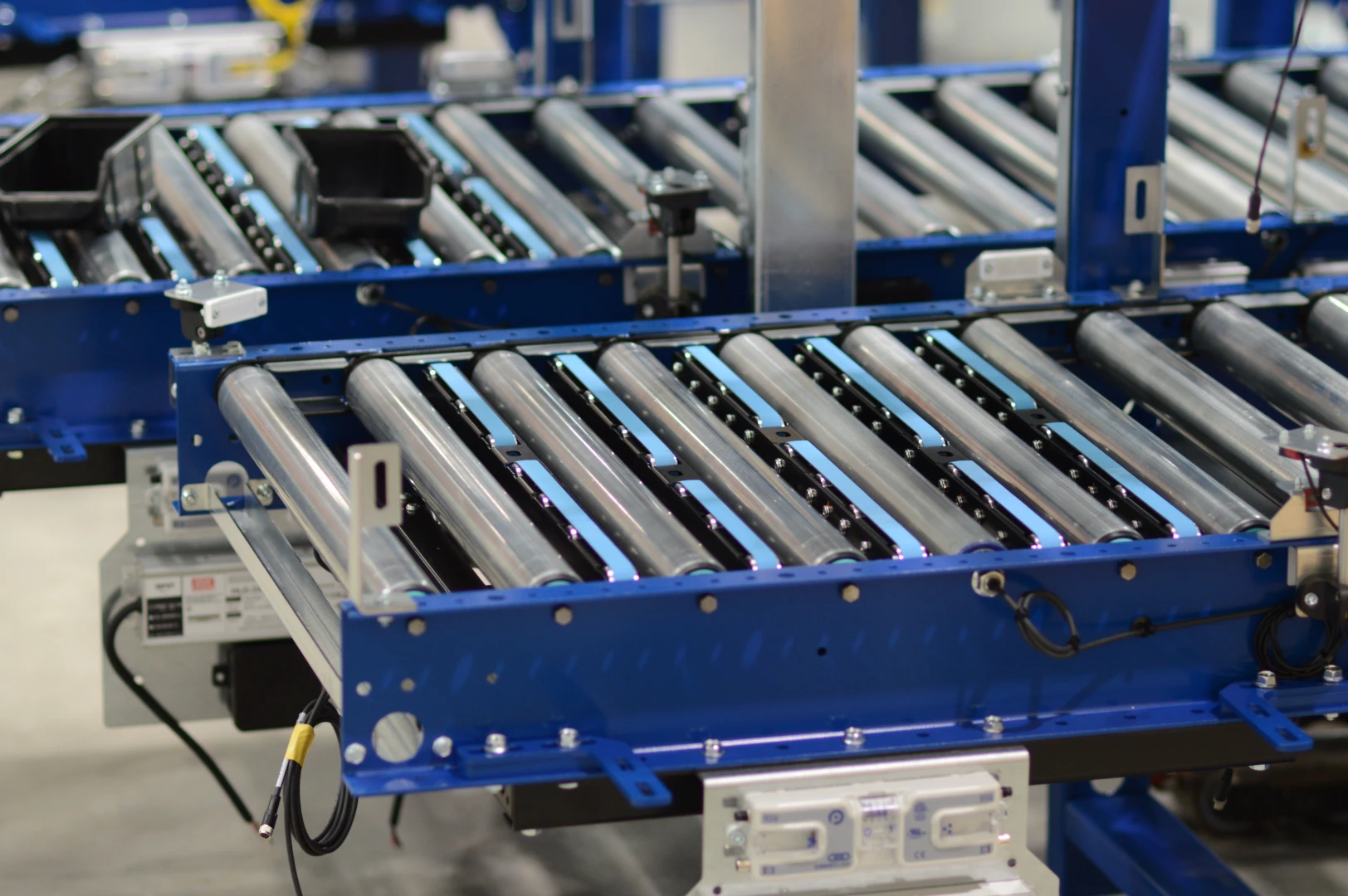
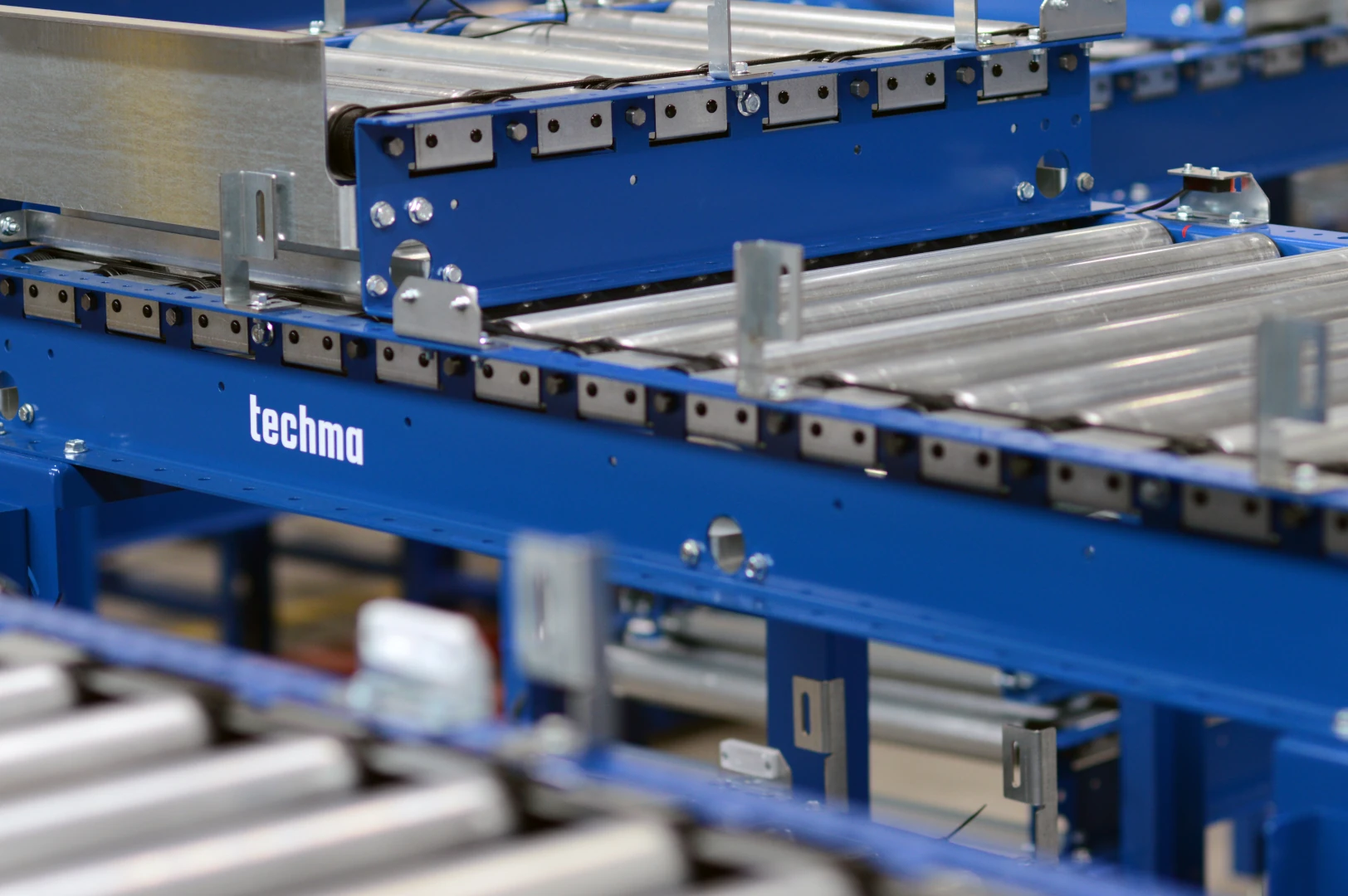
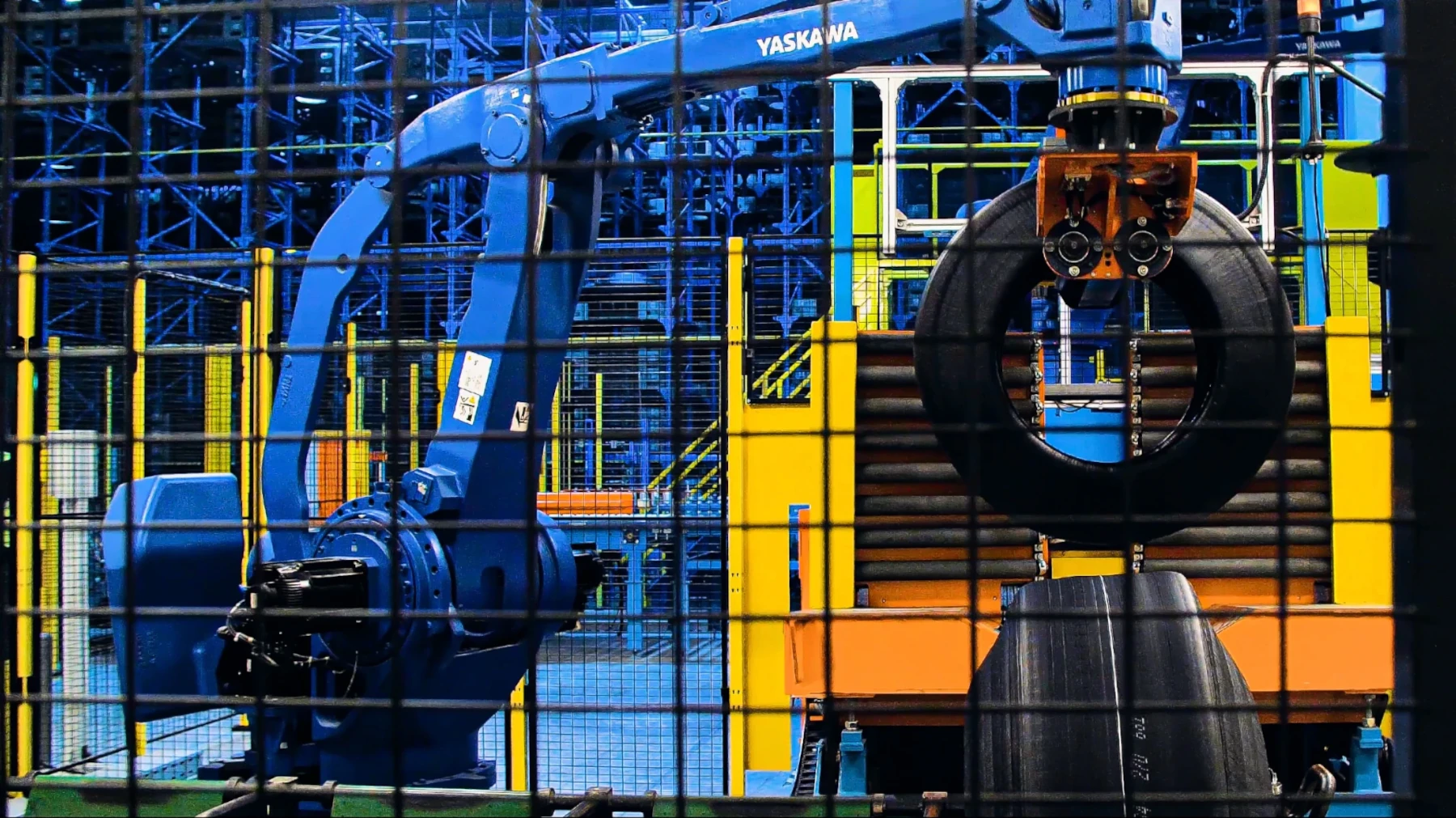
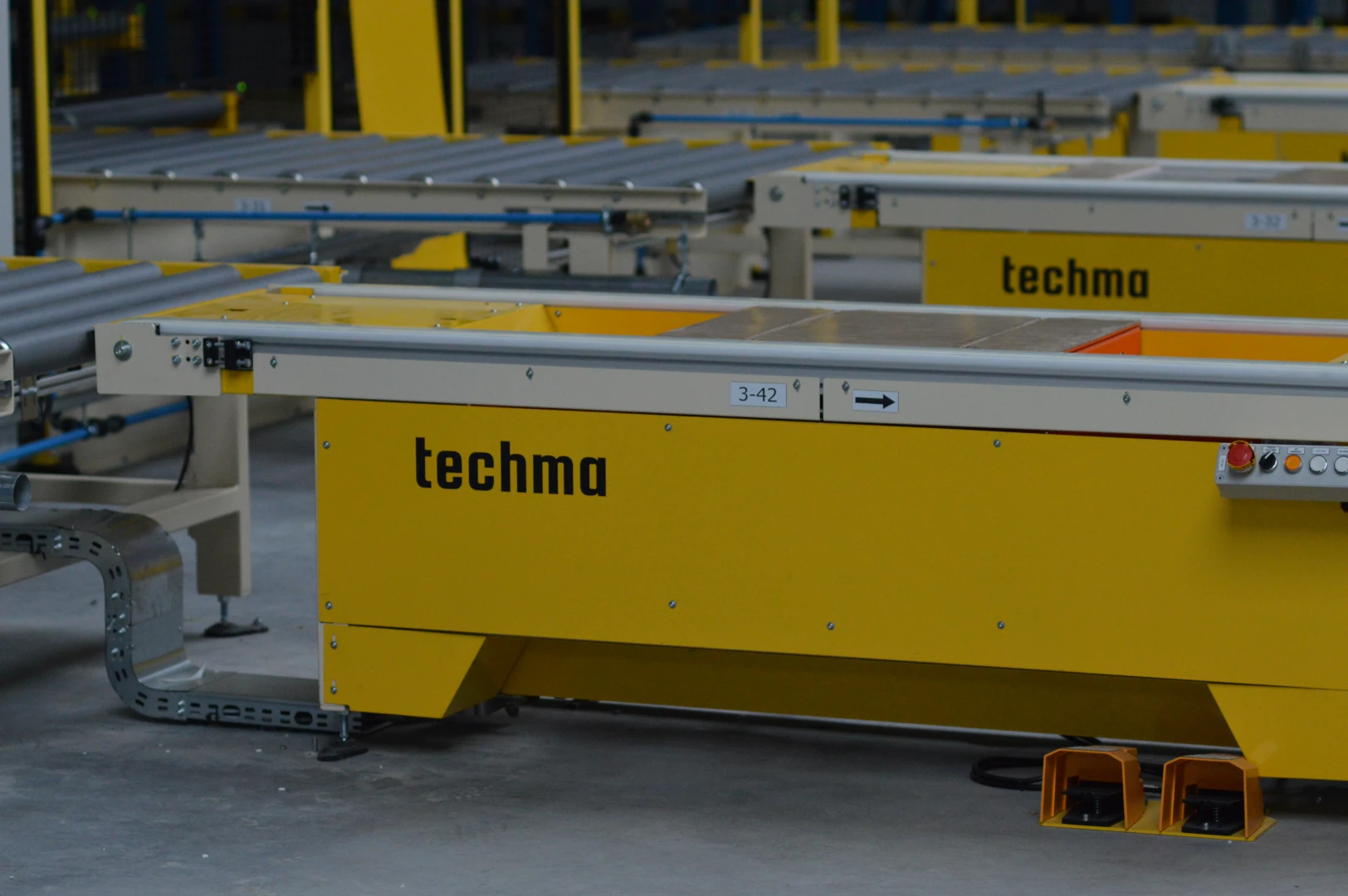
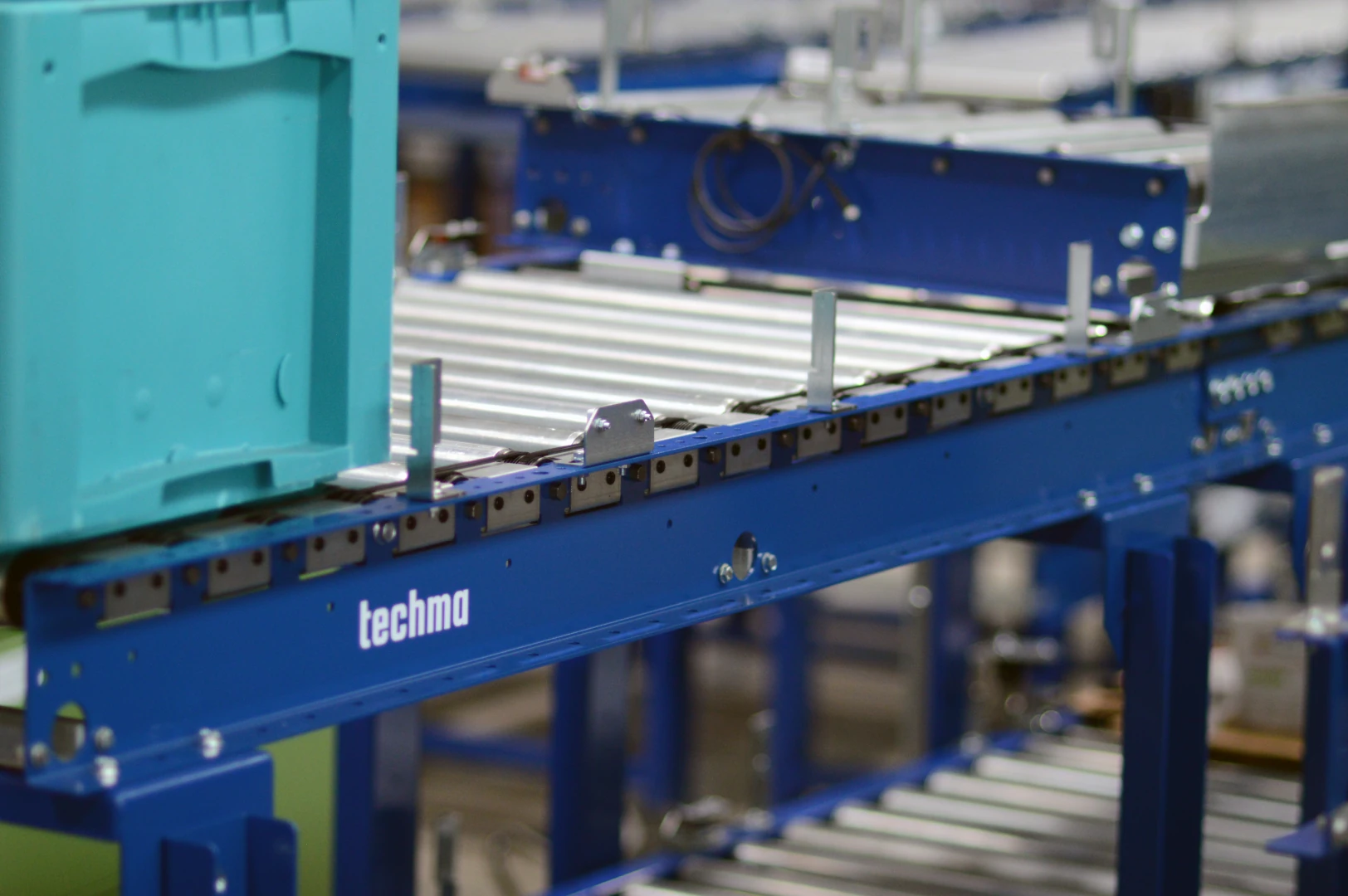
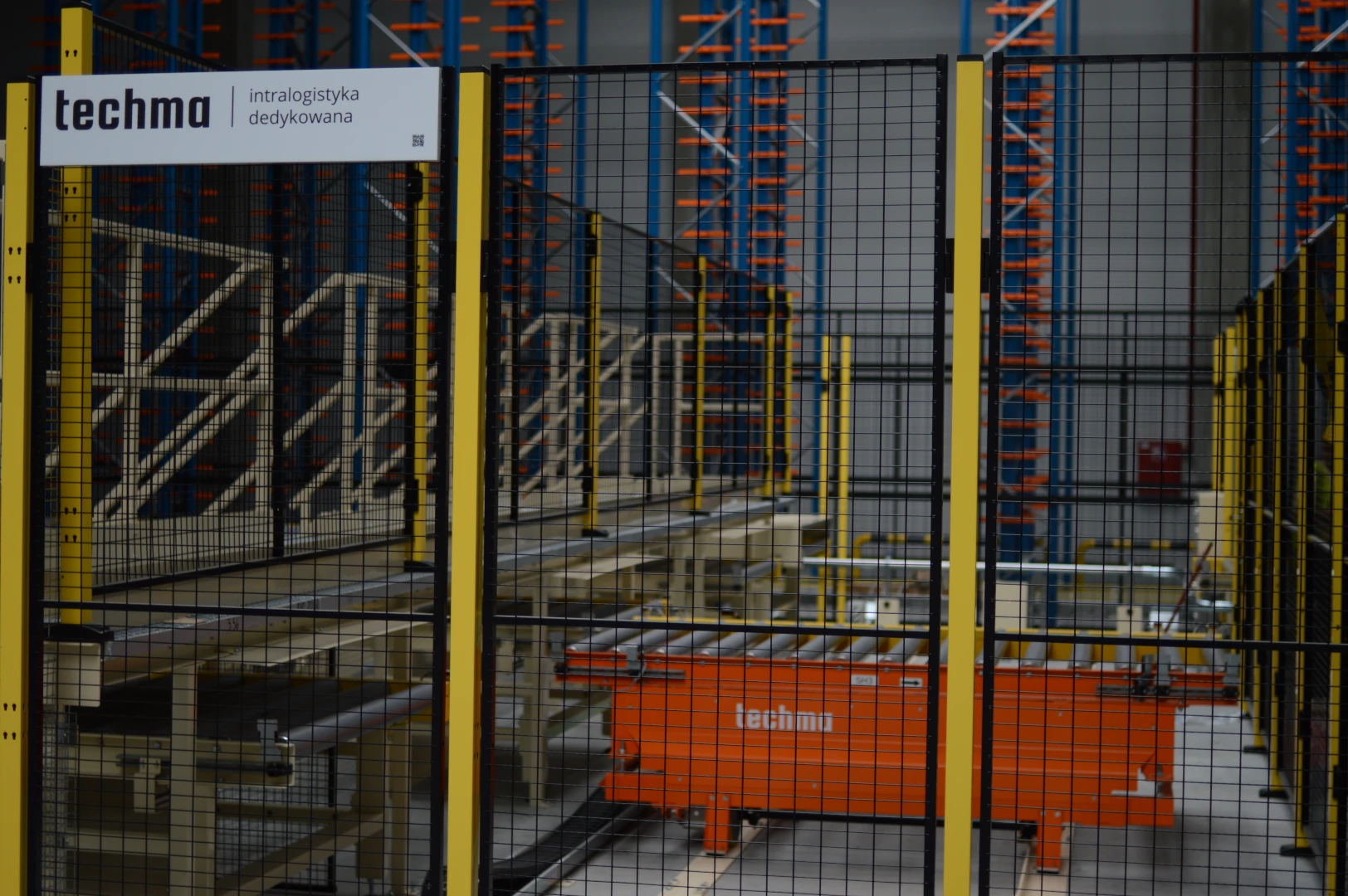
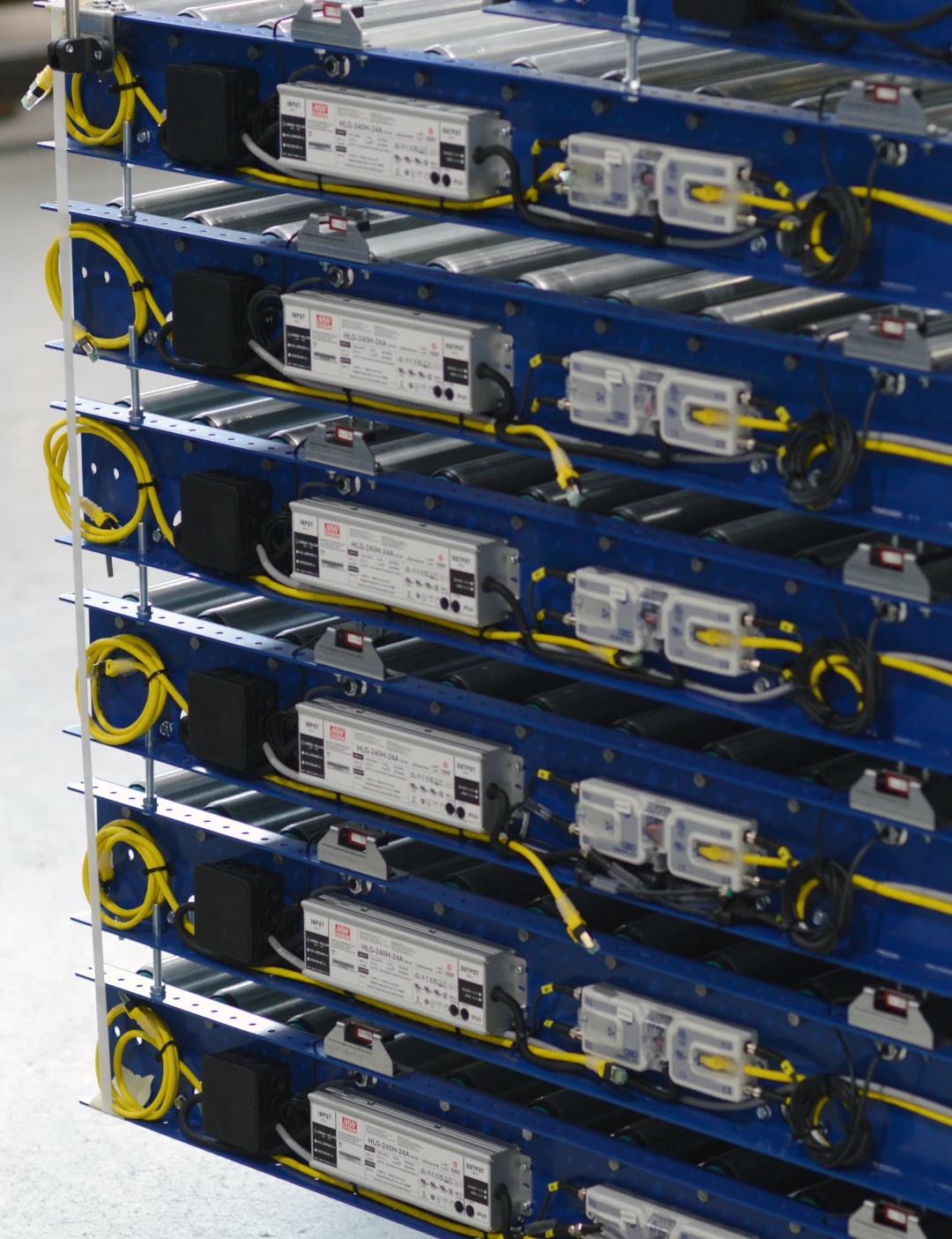
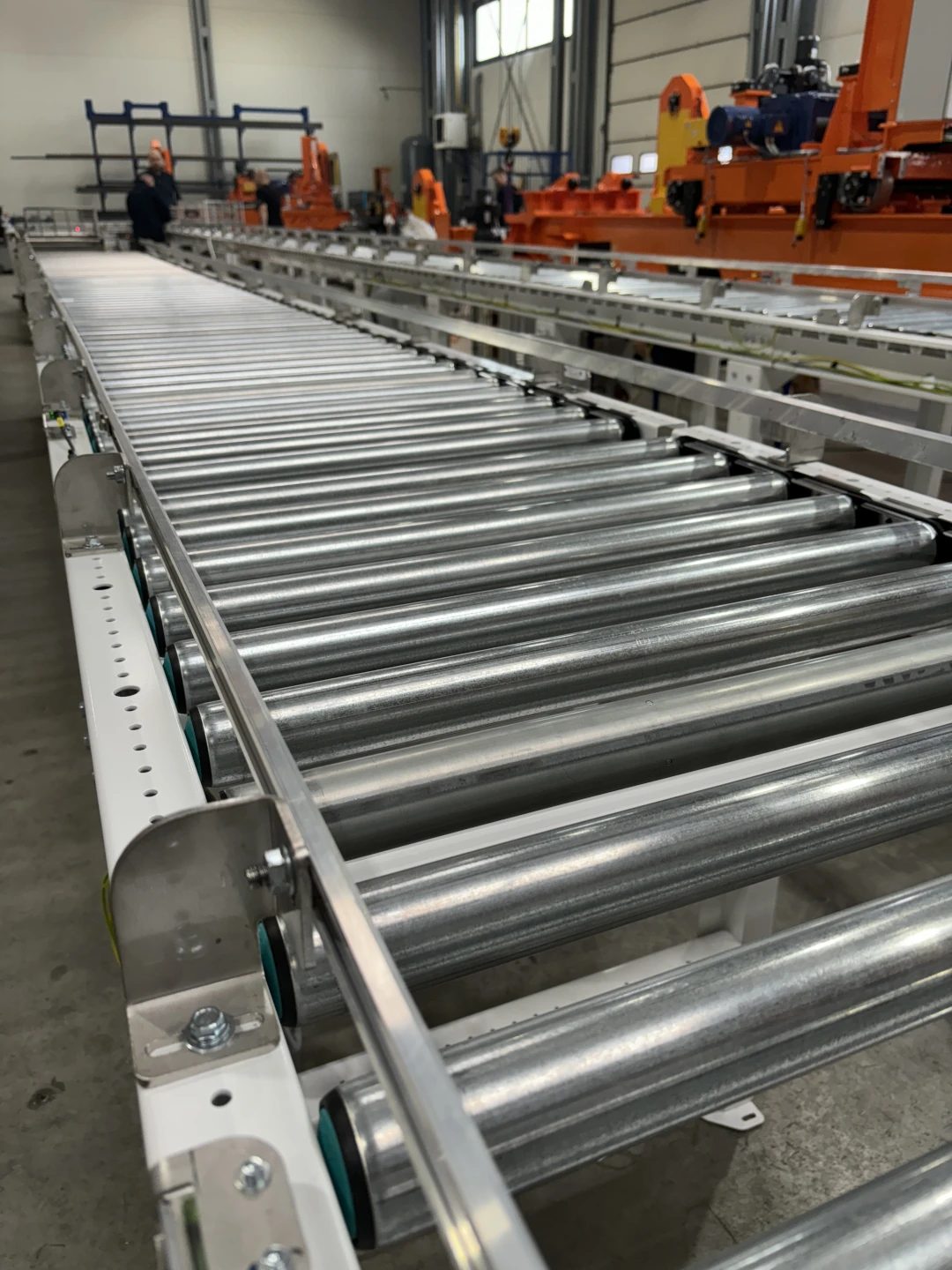
Modern warehouses implementing cross-docking rely on conveyors, lifts, shuttle carts, and technology, including WMS integration.
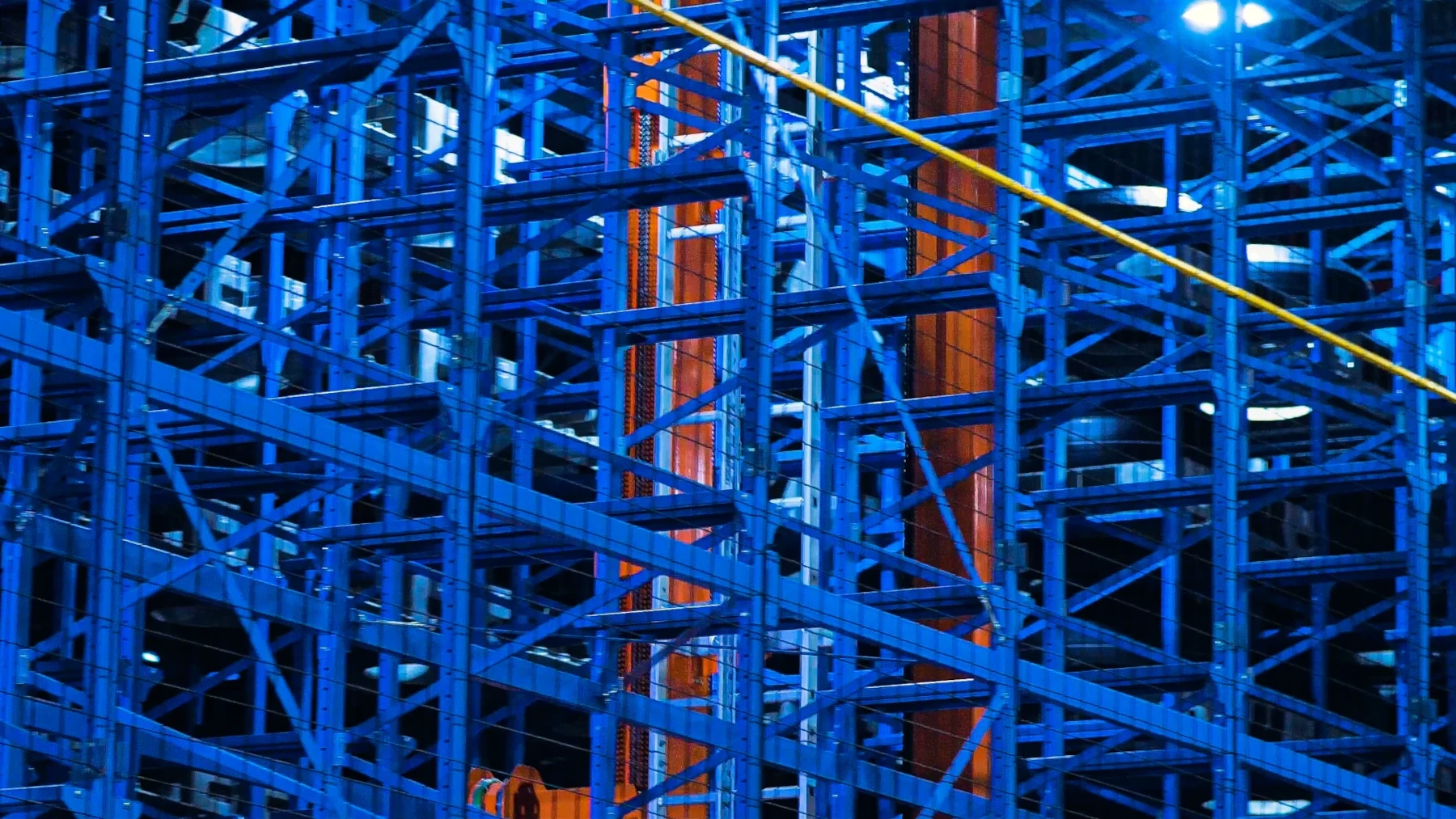
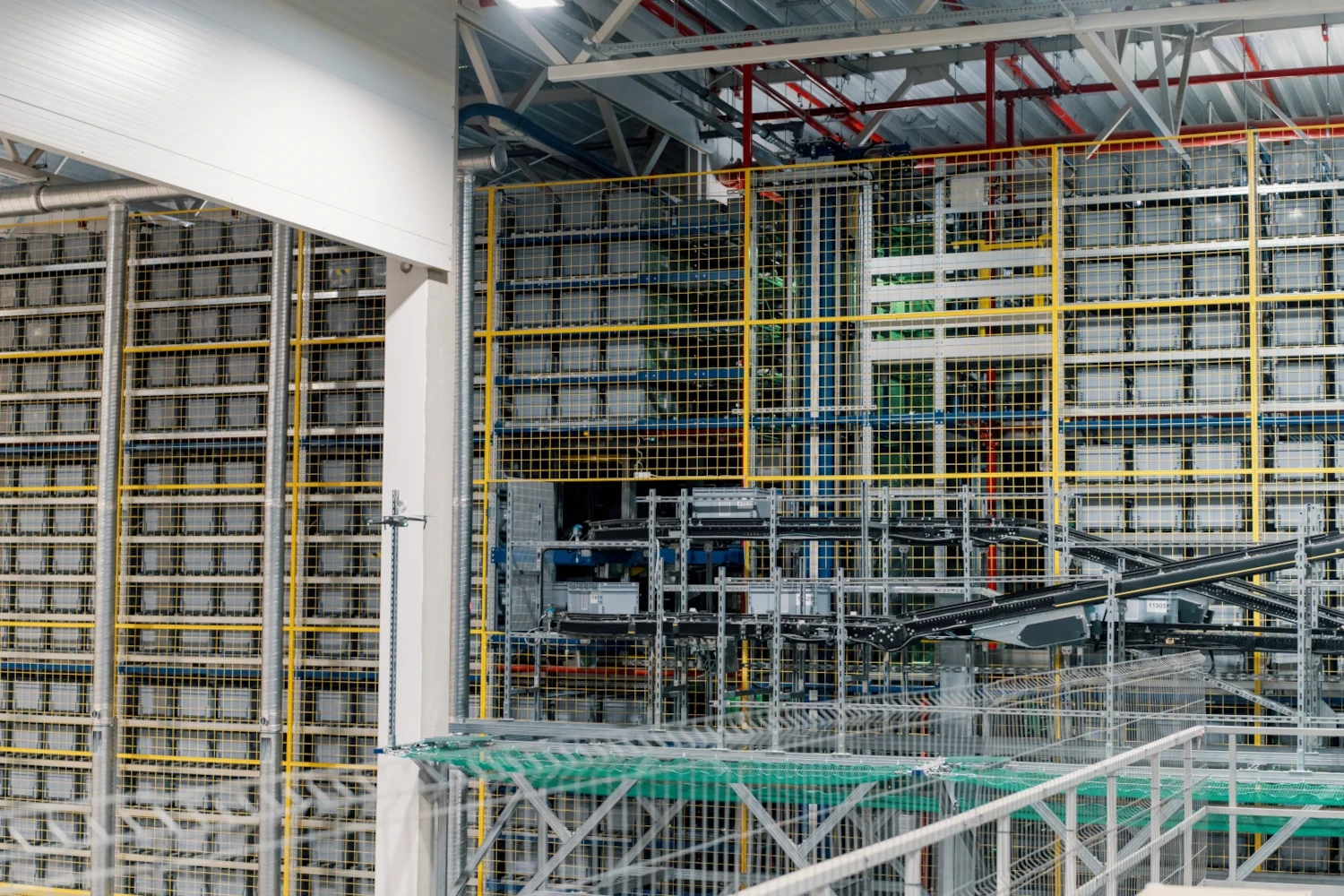
In 2019, while implementing our first automated high-bay warehouse, we realized how crucial flow synchronization is. Today, when designing intralogistics solutions, we increasingly combine classic ASRS systems with fast transfer elements and smart analytics.
A modern warehouse is not just a collection of devices—it is an ecosystem where mechanics, automation, and software work together.
Advantages and disadvantages of cross-docking
|
Advantages |
Disadvantages / challenges |
|
Faster delivery – goods reach the end customer faster by eliminating long-term storage |
High organizational requirements – cross-docking requires precise coordination among all supply chain participants |
|
Reduced operational costs – lower expenses for storing goods and maintaining inventory |
Initial costs – need for investment in infrastructure, IT systems, and warehouse management system (WMS) |
|
Less storage space required – storage areas are replaced with transfer zones |
Sensitivity to scheduling errors – delivery delays can cause congestion and downtime |
|
Fewer order-picking operations – less handling of goods increases efficiency |
Less flexibility for unpredictable demand – no inventory can make it hard to respond to sudden spikes |
|
Better supply chain flow control – greater transparency and faster operational decisions |
Not suitable for every industry – works best with high volumes and repetitive shipments |
Is cross-docking for everyone?
Not always. It works best where volumes are high, speed is crucial, and tasks are repetitive and predictable. But it’s essential to implement cross-docking according to a well-thought-out plan tailored to the company’s needs.
The warehouse of the future as a flow hub – the cross-docking approach
Cross-docking is not a new concept, as it developed in the 1930s, but it is gaining new significance today. In an ecosystem of automation and warehouse analytics, it allows companies to stay ahead of the competition.
The warehouse stops being a storage space and becomes a hub for information and goods flow. The better this flow is designed, the faster, safer, and cheaper products reach the customer.
Discover our devices that allow you to create a warehouse perfectly suited for cross-docking!
FAQ – cross-docking
1. What is cross-docking?
Cross-docking is a distribution method, also called order consolidation, where goods move directly from one transport vehicle to another. This eliminates long-term storage and enables faster delivery to end customers.
2. How does cross-docking work in practice?
Goods are delivered from the supplier to a distribution center for immediate transfer. They can be reloaded, consolidated, or sent directly to the end customer without creating inventory.
3. Does cross-docking require special systems?
Yes, it requires management systems and integration of IT systems to coordinate all supply chain participants. Without proper logistics models, efficiency and shorter delivery times are difficult to achieve.
4. What are the advantages of cross-docking?
Benefits include cost reduction, eliminating working inventory, faster delivery, and better control over goods in the supply chain.
5. What are the disadvantages and challenges?
Challenges depend on the industry and scale of operations. They include initial investment costs and the need for precise coordination among suppliers, carriers, and customers.
6. What is order cross-docking?
Order cross-docking consolidates orders at the transfer point for one or multiple recipients. Goods are not stored long-term but are picked in a designated warehouse area and shipped.
7. In which industries is cross-docking effective?
It works well in food, pharmaceutical, and e-commerce sectors, particularly for fast-moving end products.
8. Can cross-docking be applied at different stages of the supply chain?
Yes, it can be used for raw materials or finished products, supporting distribution from producer to warehouse or directly to the customer.
9. How does cross-docking differ from traditional warehousing?
Traditional warehousing stores goods until there is demand. Cross-docking eliminates this step, moving goods immediately from delivery to shipment.
10. Is cross-docking suitable for every company?
No, it works best for repetitive shipments with stable demand and requires engagement from warehouse managers and close collaboration with carriers and other supply chain participants.