Logistics costs in a company – how to reduce them?
When it comes to logistics costs, many companies focus primarily on expenses related to transport — but the reality is far more complex. Did you know that logistics costs in a company also include internal processes, such as warehousing and the flow of goods? And that is precisely where the greatest potential for savings is often hidden, as we describe in detail in this article.
Logistics costs – what are they?
Logistics costs encompass all expenditure associated with the flow of goods, information, and resources across the supply chain — from the receipt of raw materials through to the delivery of the finished product to the customer.
This includes:
-
transport,
-
warehousing,
-
internal operations,
-
inventory management,
-
order handling,
-
infrastructure and IT systems.
What are the main types of logistics costs?
The structure of logistics costs is multi-layered and depends on the business model, but there are certain areas that consistently fall within a company's logistics expenditure.
Transport costs
The most visible expense. It covers not only the movement of goods, but also:
-
fuel,
-
fleet maintenance,
-
road tolls,
-
costs of downtime and delays.
Warehousing and internal operations costs
This category includes:
-
maintenance of warehouse space,
-
infrastructure (racking and transport systems),
-
equipment and its depreciation,
-
energy costs,
-
operational handling.
However, the greatest significance lies in internal process costs, which are often not directly visible in financial reports:
-
inefficient movement of goods,
-
unnecessary handling operations,
-
downtime,
-
lack of synchronisation between warehouse zones.
It is precisely here that the greatest potential for optimisation most frequently lies.
Inventory management costs
These cover both the cost of holding stock and the consequences of maintaining incorrect inventory levels:
-
excess stock,
-
stock shortages,
-
stock turnover.
Order handling and administration costs
These are costs associated with order processing, planning, documentation, and logistics management. Individually they may seem minor, but at the scale of full operations they have a significant impact on the total process cost.
Why are internal costs often overlooked?
In many companies, attention is focused on optimising transport. Yet the greatest losses frequently arise inside the warehouse itself.
The most common problems include:
-
manual tasks that could be improved through automation,
-
lack of automation in material flow,
-
limited data visibility.
It is in this area that intralogistics solutions, including internal transport systems, deliver the greatest return on investment.
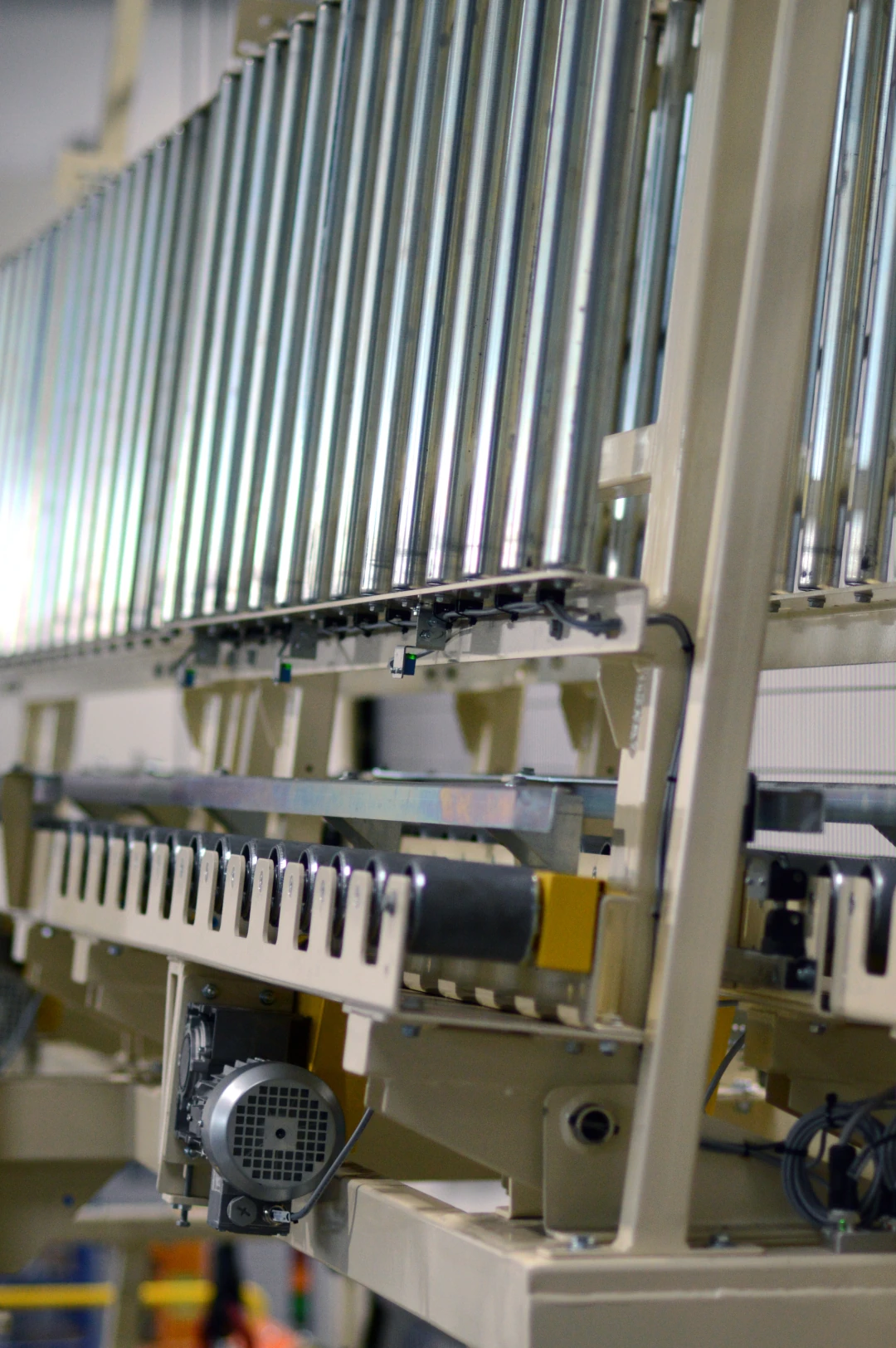
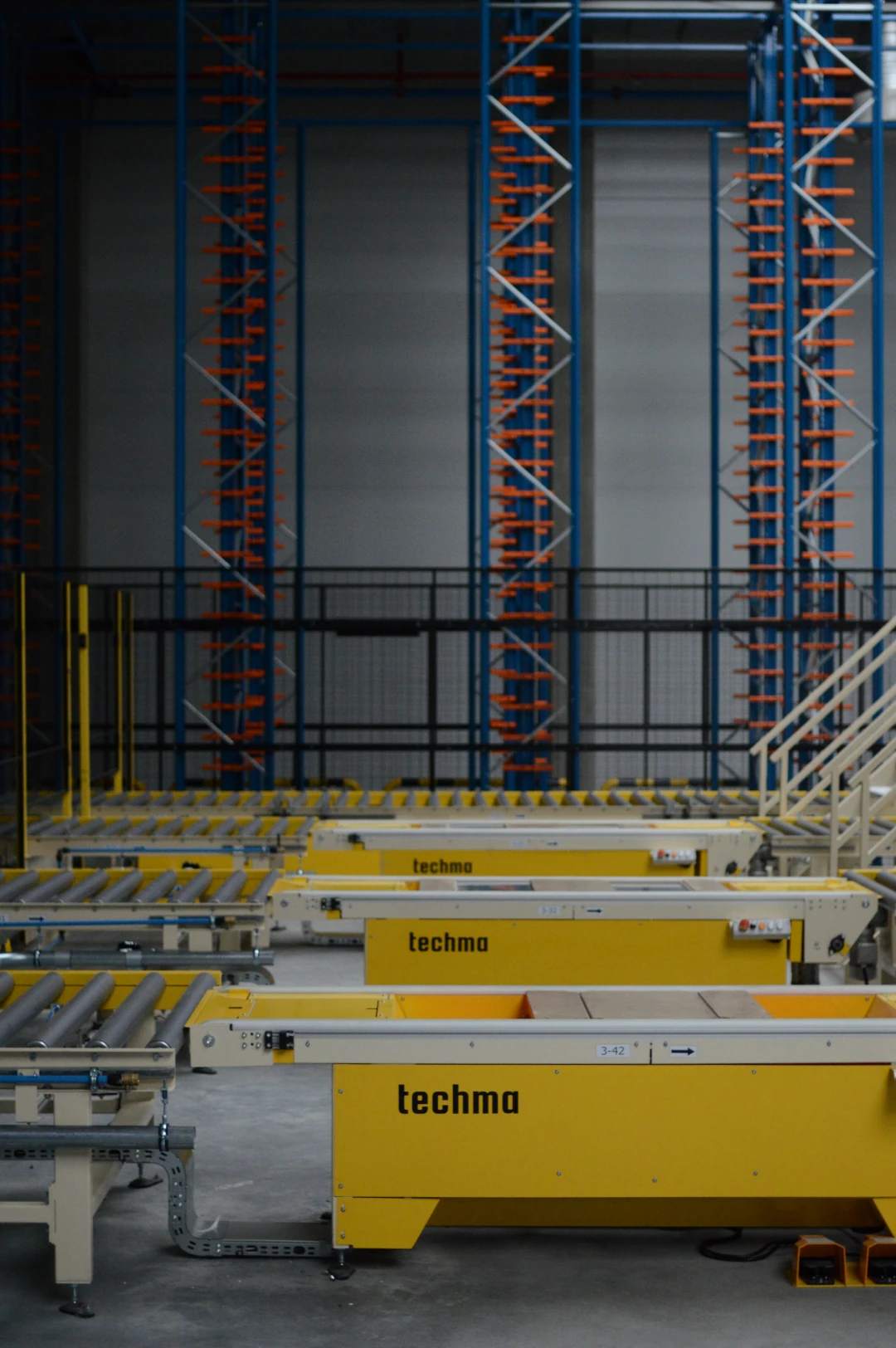
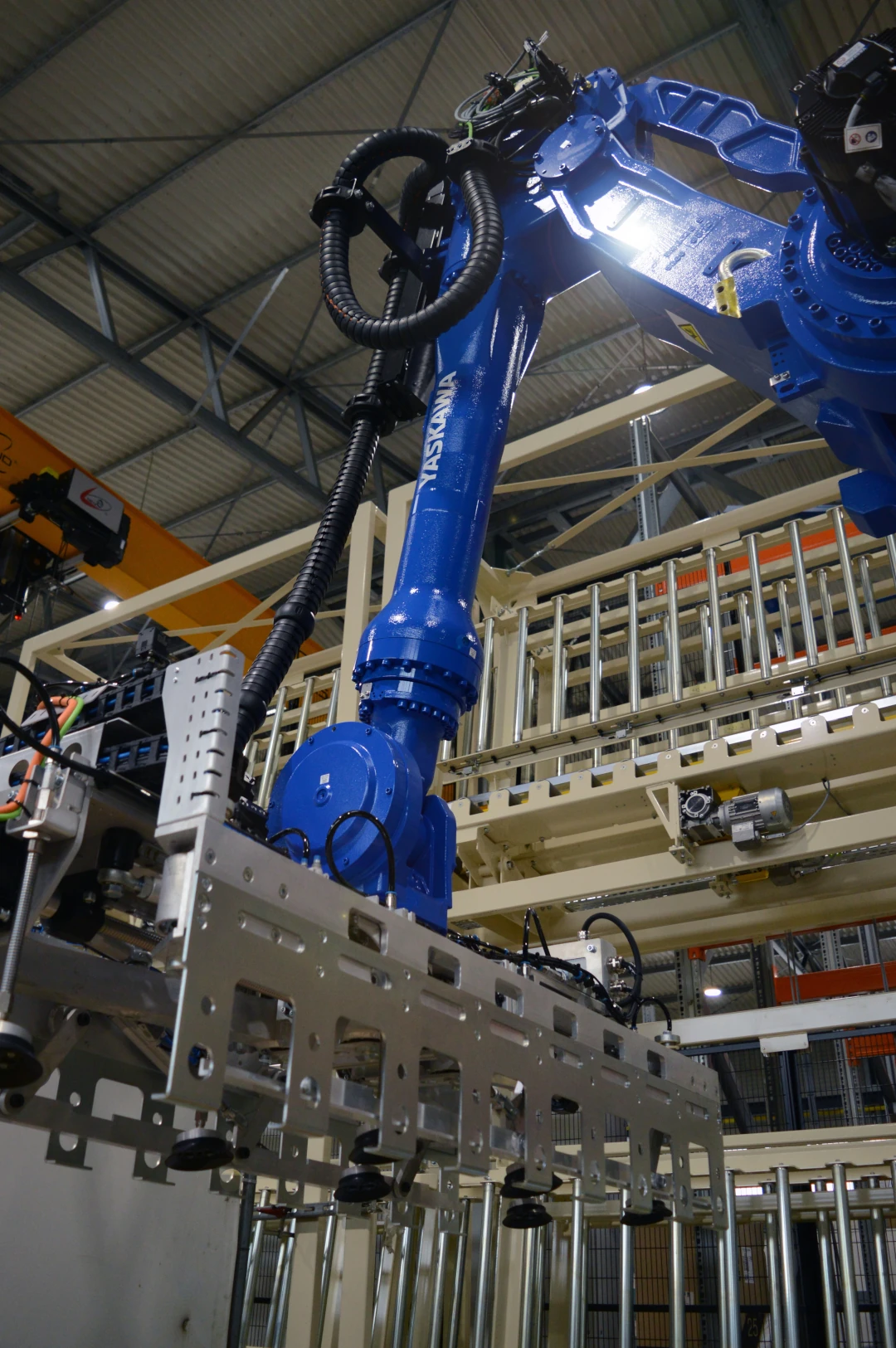
Stacker cranes, conveyors, and warehouse lifts reduce the time spent on operations, limit errors made by employees, and consequently reduce the company's financial losses and customer complaints.
How to reduce logistics costs in a company?
Start with an analysis — consider where costs are being generated. Divide them into:
-
direct and indirect,
-
external and internal,
-
variable and fixed.
Bear in mind that cost reduction should not mean simply cutting budgets — better results come from:
-
eliminating unnecessary operations,
-
shortening material flow paths,
-
improving work organisation.
This approach is consistent with the Lean methodology, which focuses on eliminating waste.
Another important point is that certain systems actively reduce logistics costs:
-
WMS provides control over the flow of goods,
-
automation reduces operational costs,
-
analytical systems enable data-driven decision making.
Intralogistics solutions integrate transport, storage, and management.
Automation of internal processes
This is one of the most effective methods of long-term cost reduction. Automation reduces the need for manual labour, freeing employees to focus on more demanding and developmental tasks, increases the repeatability of operations, and allows for greater volumes of activity.
Logistics costs are not fixed — they change with the scale of operations, the structure of orders, and market conditions.
That is why it is important to:
-
regularly monitor key performance indicators,
-
analyse operations,
-
adapt processes to current needs.
Logistics costs therefore encompass far more than just transport and warehousing — they also include a wide range of internal processes, which is why it is worth considering whether now is the time to leverage technology and automation.
Read also: Internal warehouse transport – 7 ways to improve it effectively
At MPL Techma, we supply equipment that makes your warehouse run like clockwork. What exactly are we talking about?
|
Category |
Service description |
Key benefits |
|
Automated storage and retrieval systems (ASRS). |
Space and time savings, error reduction, increased efficiency. |
|
|
Transport vehicles |
Shuttle carts, box shuttle systems, and integration with AGV and AMR. |
Transport automation, faster operation, flexible adaptation. |
|
Automated vertical goods transport systems. |
Maximum space utilisation, increased efficiency, cost reduction. |
|
|
Internal transport systems (roller, belt, turntables, loading stations). |
Efficient goods flow, safety, comprehensive logistics. |
|
|
Dedicated systems |
Solutions individually designed to meet specific needs and load requirements. |
Full process alignment, optimisation of warehouse operations. |
|
Software for managing warehouse equipment and processes. |
Better control, maximum system utilisation, work optimisation. |
|
|
Technical solutions (general) |
Design and production of automated and robotic workstations. |
Comprehensive service, individual approach, increased efficiency. |
If you would like to find out which solutions will work best for your company, please get in touch!
FAQ – Logistics costs in a company
1. What are logistics costs in a company?
Logistics costs encompass all expenditure associated with the flow of goods, information, and resources throughout the entire supply chain. They include both direct and indirect costs, and have a direct impact on the company's profitability.
2. What elements do logistics costs include?
Logistics costs cover transport, warehousing, distribution, customer service, and the operation of IT systems. They are a fundamental element of effective supply chain management.
3. Why are logistics process costs so important?
Logistics process costs have a direct impact on a company's competitiveness and operational efficiency. Optimising them makes it possible to improve performance and increase the profitability of the business.
4. How are logistics costs classified?
The classification of logistics costs includes direct and indirect, fixed and variable, as well as internal and external costs. Such a thorough analysis of logistics costs makes it easier to identify areas requiring optimisation.
5. Where do hidden logistics costs most commonly arise?
Hidden costs most frequently appear in the area of internal logistics, for example through inefficient flow control or unnecessary handling operations. Excessive goods movement, downtime, and staff errors all generate additional labour costs.
6. How can logistics costs in a company be reduced?
Optimising logistics costs requires an analysis of the entire process and the implementation of an appropriate strategy and cost control measures. Key factors include better planning, demand forecasting, and optimisation of routes and transport capacity utilisation.
7. How does automation affect logistics costs?
Automation of logistics processes allows for a reduction in operational costs and a decrease in errors resulting from manual work. This enables effective resource management and an improvement in logistics efficiency.
8. Do IT systems help with cost control?
Modern management and IT systems support cost control and enable accurate data analysis. They are essential for effective management of logistics processes and sound decision making.
9. What role does transport play in logistics costs?
Transport is one of the key components of logistics costs, covering fuel, vehicle hire, and insurance expenses, among others. Proper route planning and shipment organisation can significantly reduce expenditure.