Load units - types, applications, and adaptation to your warehouse
When we enter a modern warehouse today, we see moving conveyors, automated stackers, intelligent transport systems, and many other devices that streamline internal logistics. But do we also remember the seemingly smaller elements that are the foundation of intralogistics? We are talking about… load units! In production companies and warehouses where there is a huge variety of carriers, this topic becomes even more important. What are the types of load units, and how can their handling be optimized?
Load units – what they are and the basics
A load unit is simply the way a product “travels” through a facility—whether in a box, crate, plastic container, tray, or on a pallet. It is the form in which goods are stored and transported between processes, for example from production to the warehouse, from the warehouse to packaging, and from packaging to shipping.
Load units include standard types, such as euro pallets (1200×800), industrial pallets (1200×1000), or KLT containers, but increasingly also non-standard carriers: crates with unusual dimensions, high-strength trays, containers designed for assembly lines, or dedicated logistic trays.
Types of load units at a glance
Load units can be divided into several basic types:
-
Pallet units – goods arranged on pallets (flat, box, or column pallets).
-
Package units – goods grouped together with film or tape, without a pallet.
-
Container units – goods in standard containers, mainly for intermodal transport.
Based on content, load units can be:
-
Homogeneous – containing a single type of product.
-
Heterogeneous – containing different products or batches.
Other common units include:
-
Micro units (small products in cartons),
-
Reusable containers (e.g., crate pallets),
-
Single packages such as cartons, bags, or barrels.
Why load units are the backbone of intralogistics
Load units are not just ordinary packaging. They have a major impact on warehouse operations because they streamline movement, storage, and order picking. In practice, because goods arrive in load units, forklifts and transport systems can move them without handling individual products.
Load units also help maximize warehouse space. Pallets and containers can be arranged in racks optimized for their dimensions, saving space. They simplify order picking because instead of collecting individual items, employees or automated systems move entire pallets or containers, speeding up operations.
Equally important is safety and product protection, as load units reduce the risk of damage during internal transport, storage, or picking.
How to optimize the transport of load units in your warehouse
Handling load units does not have to be manual. Consider devices that make transport faster and much safer.
Key devices for transporting load units
-
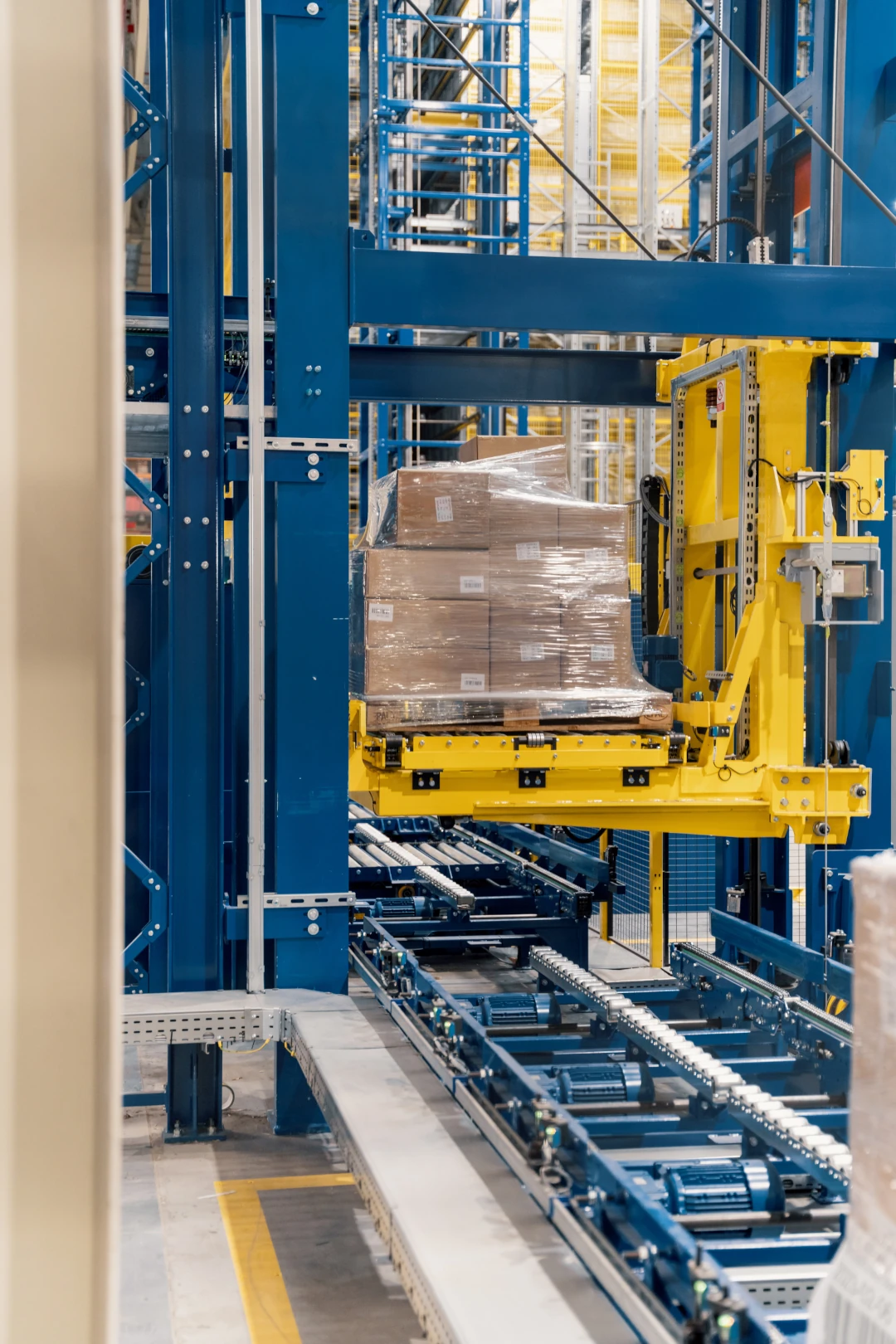
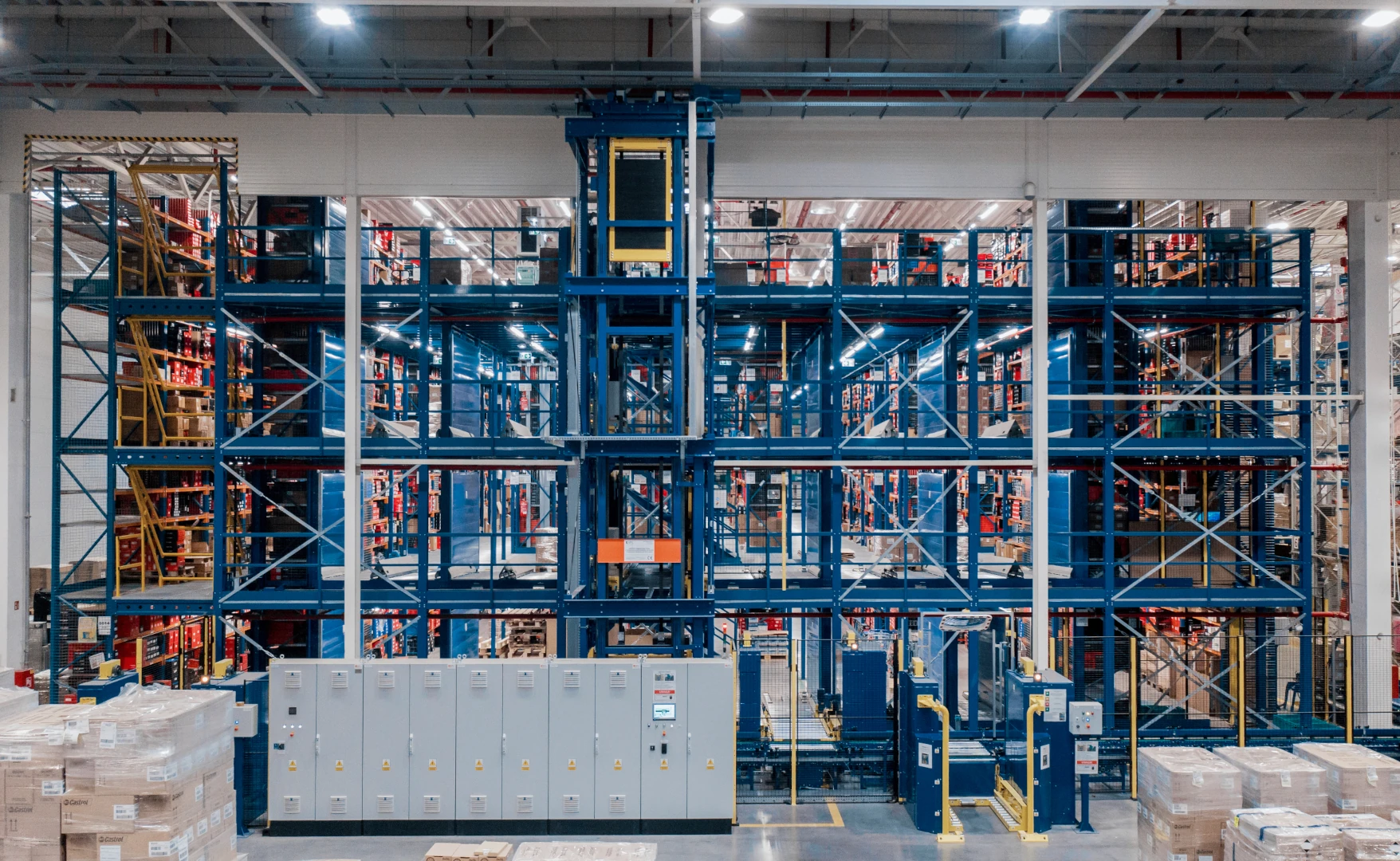
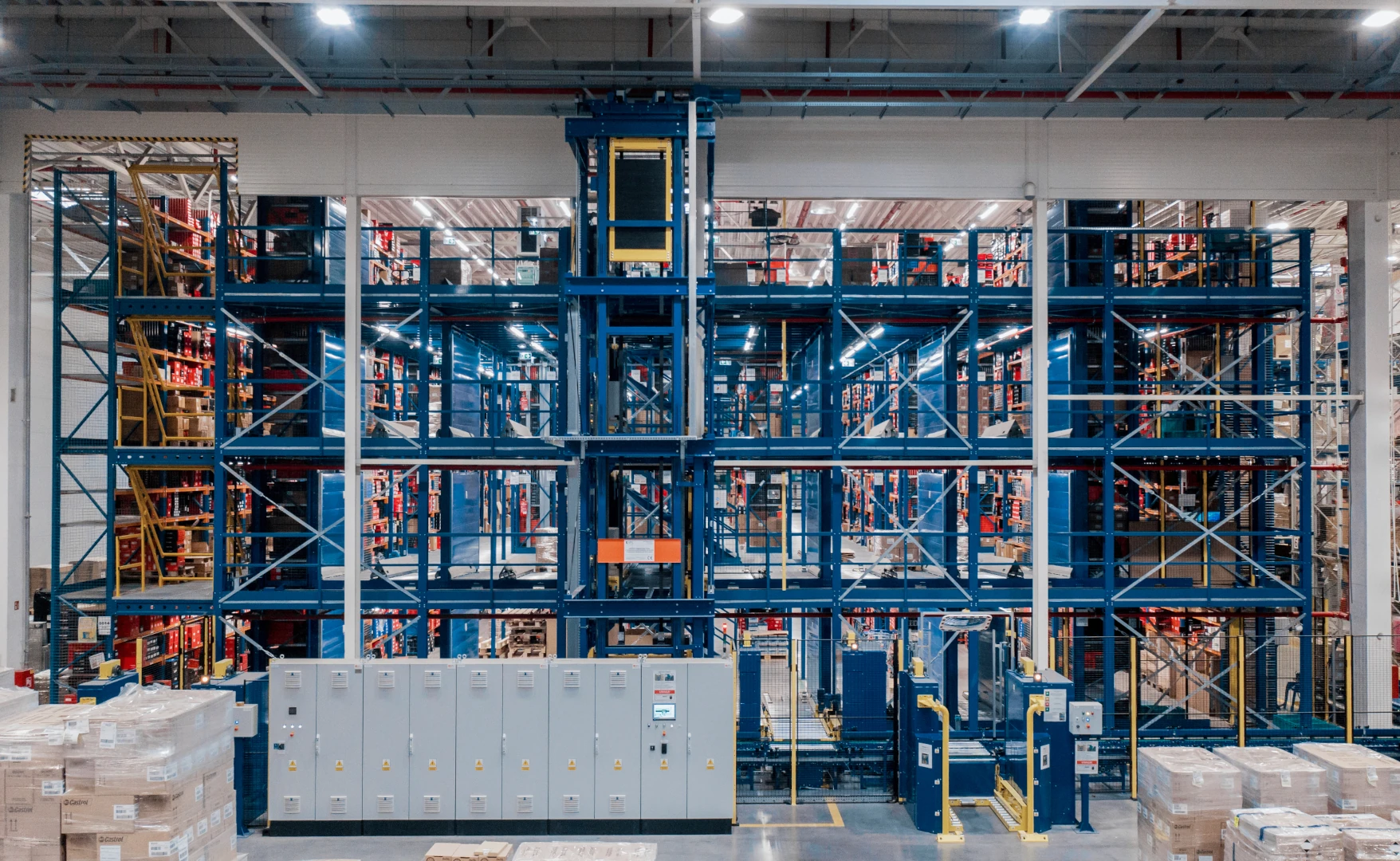
Stackers – move pallets or containers vertically and horizontally, enabling dense storage in automated racks.
-
Miniload systems – designed for smaller containers, semi-finished products, and components requiring various carrier formats.
-
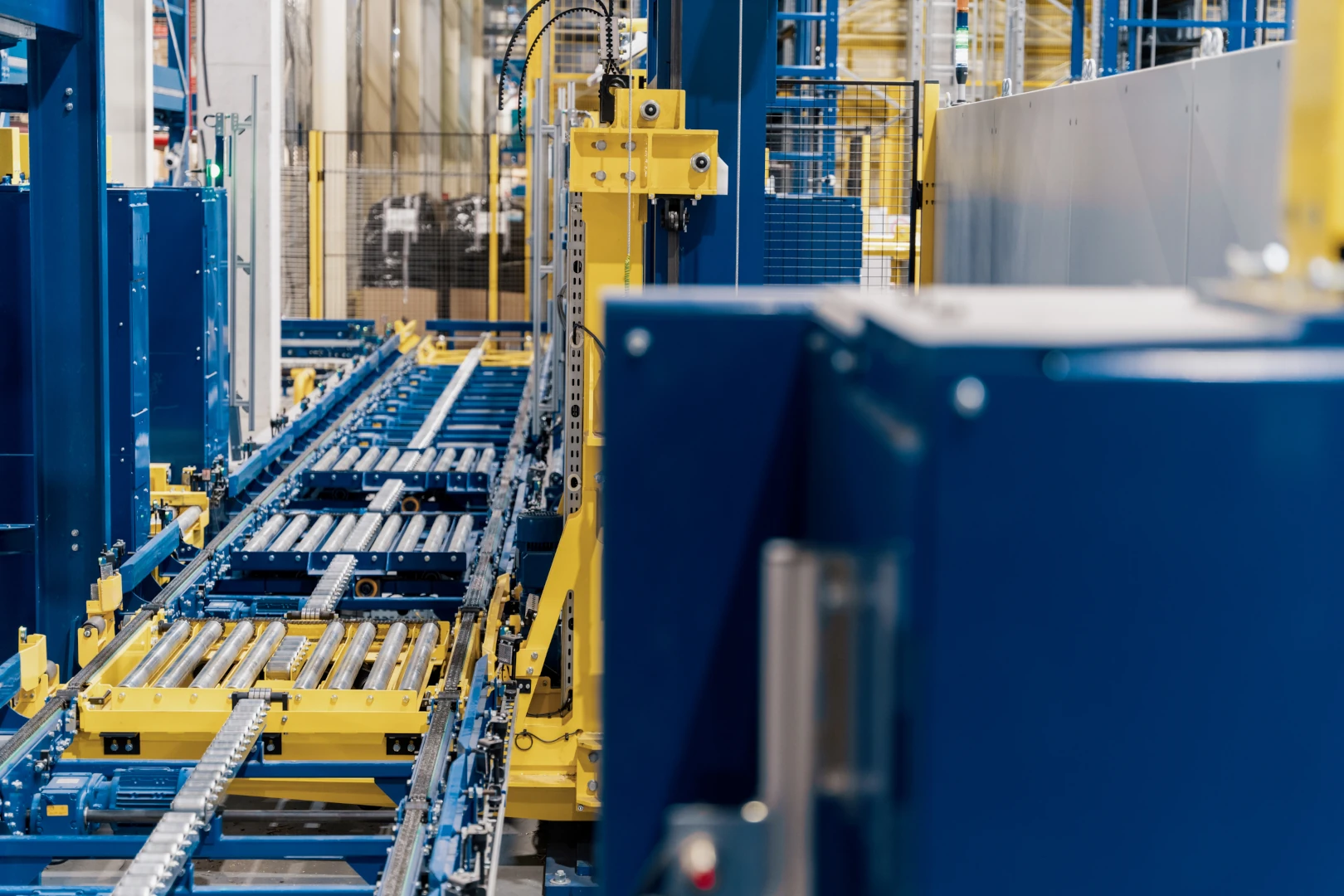
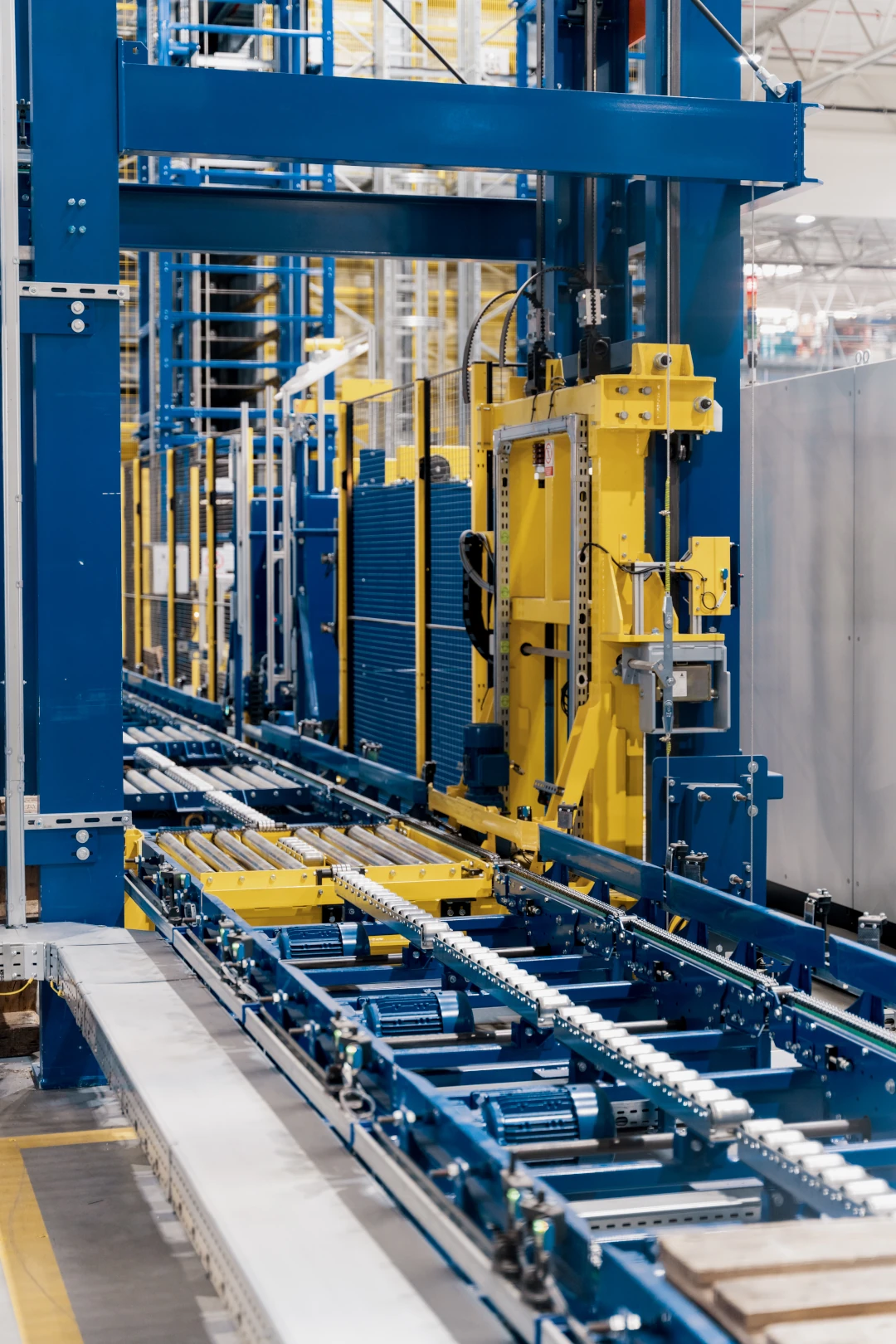
Automated conveyors – transport units between stations without manual intervention.
Importantly, these devices can be designed for specific carrier types, giving a real advantage over standard warehouse systems that often handle only fixed dimensions and weights.
Custom solutions for load unit handling
Standard stackers usually handle only one format type, limiting flexibility. Sometimes non-standard load units must be handled. For this reason, MPL Techma designs stackers and devices tailored to the client’s specific units, both standard and non-standard. This approach:
-
Facilitates handling multiple carrier types in the same system,
-
Increases warehouse capacity by optimizing racks,
-
Speeds up order picking,
-
Reduces the risk of product damage,
-
Provides scalability as production grows.
The market offers many types of load units, from standard pallets and KLT containers to non-standard crates or trays. Our advantage is that when designing stackers or miniloads, we can tailor devices precisely to a specific carrier, ensuring smooth warehouse operations regardless of the type or dimensions of the load unit. Take advantage of MPL Techma’s solutions to make your warehouse run like a Swiss watch!
FAQ – Load units: types, applications, and warehouse adaptation
-
What is a load unit?
A load unit is the way a product is formed and transported within a warehouse or supply chain. It can consist of individual packages, pallets, containers, or bins and is intended to facilitate storage, secure the load, and streamline warehouse operations. -
What are the main types of load units?
The most common types are:
-
Pallet load units – goods stacked on pallets, e.g., euro or industrial pallets,
-
Package load units – products consolidated with stretch film or tape,
-
Container load units – goods placed in standard containers for intermodal transport.
-
What is the difference between homogeneous and heterogeneous units?
A homogeneous unit contains a single product type or item, while a heterogeneous unit may contain different products or multiple batches of the same load. -
What are micro units and single packages?
Micro units are goods too small to store on pallets. Single packages, such as bags, cartons, or barrels, can form a standalone load unit or part of a larger load. -
Why are load units important in logistics?
They facilitate inventory planning and storage, streamline internal transport using forklifts and automated systems, and reduce the risk of load damage. -
How do load units affect storage and distribution?
They allow optimal formation of pallets and containers, secure products during transport, and enable compact storage in racks. This improves storage efficiency and streamlines the supply chain, including distribution to consumers. -
What devices support load unit transport?
Stackers, miniload systems, and automated conveyors. They can be adapted to standard or oversized load units, increasing safety and efficiency. -
What does adapting stackers to a specific load unit mean?
It means designing devices for the precise dimensions and weight of a carrier, considering pallets, containers, or logistic trays. This allows faster and safer storage. -
How do load units affect inventory management and warehouse processes?
Standardized units simplify planning, determine the number of packages, and define storage methods. This improves inventory control, streamlines warehouse operations, and ensures consistency across the supply chain. -
How does the consumer benefit from sales units?
A load unit can consist of smaller packages that consumers can buy individually. This allows warehouses to prepare bulk shipments while ensuring efficient and safe distribution and retail sales.