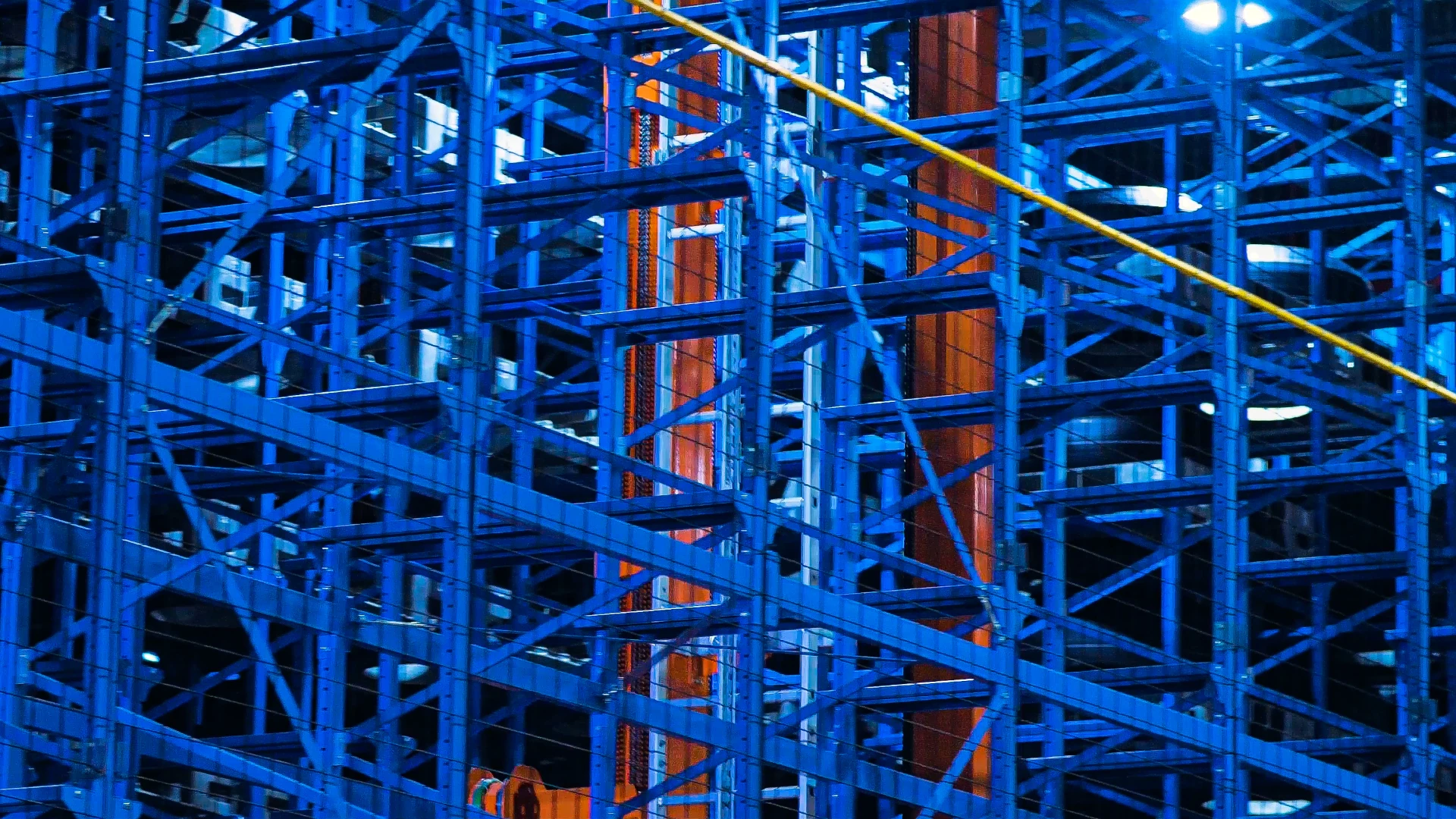
Warehouse stacker cranes – types and how to choose the right one
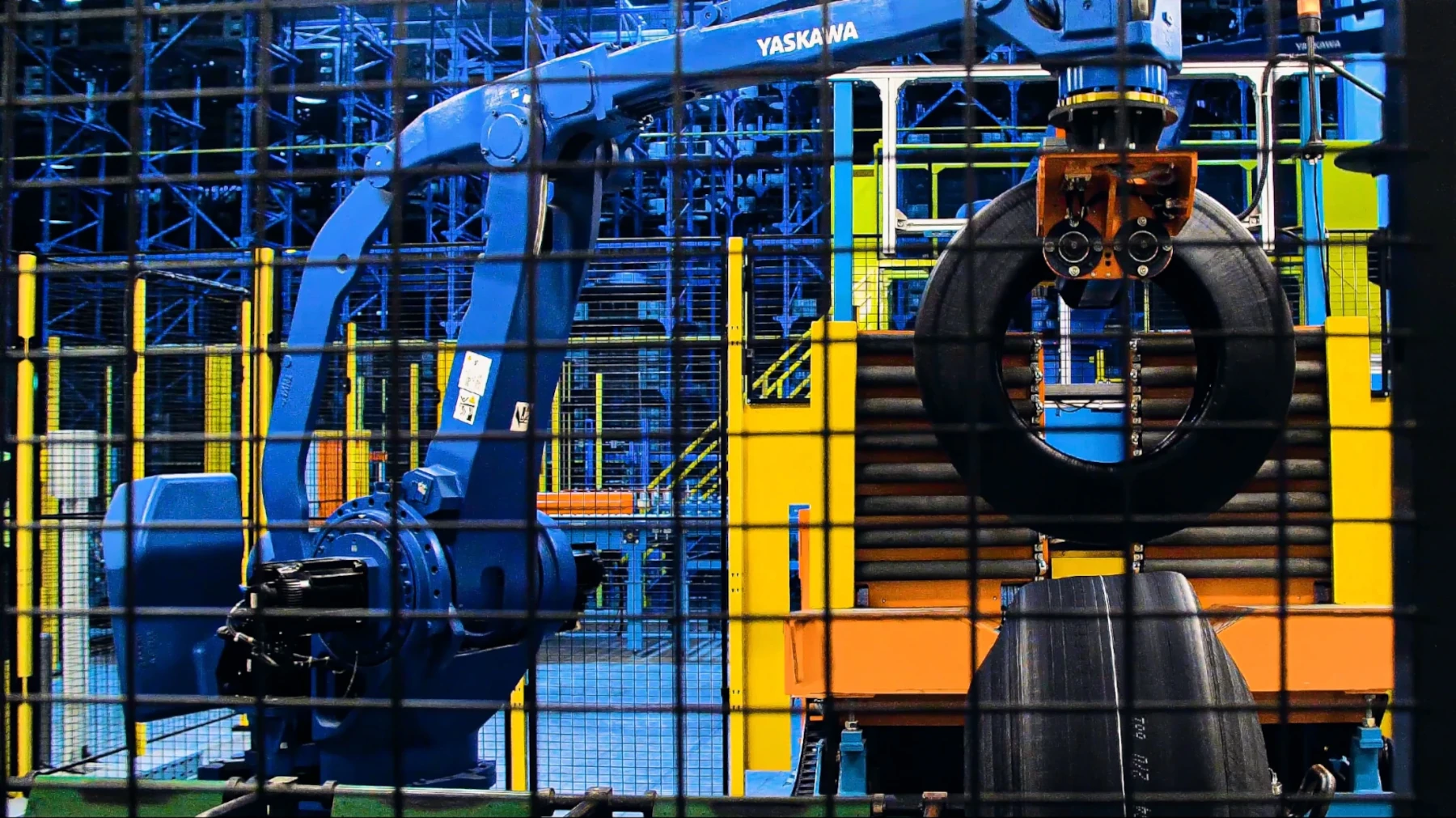
Did you know that the history of warehouse stacker cranes dates back to the 1970s? Early pallet systems with simple controllers made it possible to store goods at heights of 10–15 m. In the 1980s and 1990s, more advanced stacker cranes and WMS systems appeared, enabling the handling of loads up to 25 m. After 2000, full integration with ERP and WCS systems became standard, allowing specialists to manage goods flow in real time. Today, stacker cranes are an integral part of intelligent, high-throughput warehouses. So what types of warehouse stacker cranes are there, and when is it worth implementing them?
Basic classification of warehouse stacker cranes – where to start?
The simplest and most practical classification of stacker cranes is based on the type of load handled and the supporting structure.
|
Criterion |
Possible options |
|
Load type |
pallets, panels, coils, tires, containers, cartons |
|
Structure |
single-mast, double-mast |
|
Load weight |
light, medium, heavy |
|
Operating mode |
automatic, semi-automatic |
|
Integration |
ASRS, WMS, production lines |
At MPL Techma, for example, we go a step further – we design the stacker crane around the process, not the other way around. Operational needs and warehouse specifics define the solution, not a ready-made template.
Types of warehouse stacker cranes – what is worth knowing
Stacker cranes are primarily classified according to the type of load they handle and their structural design.
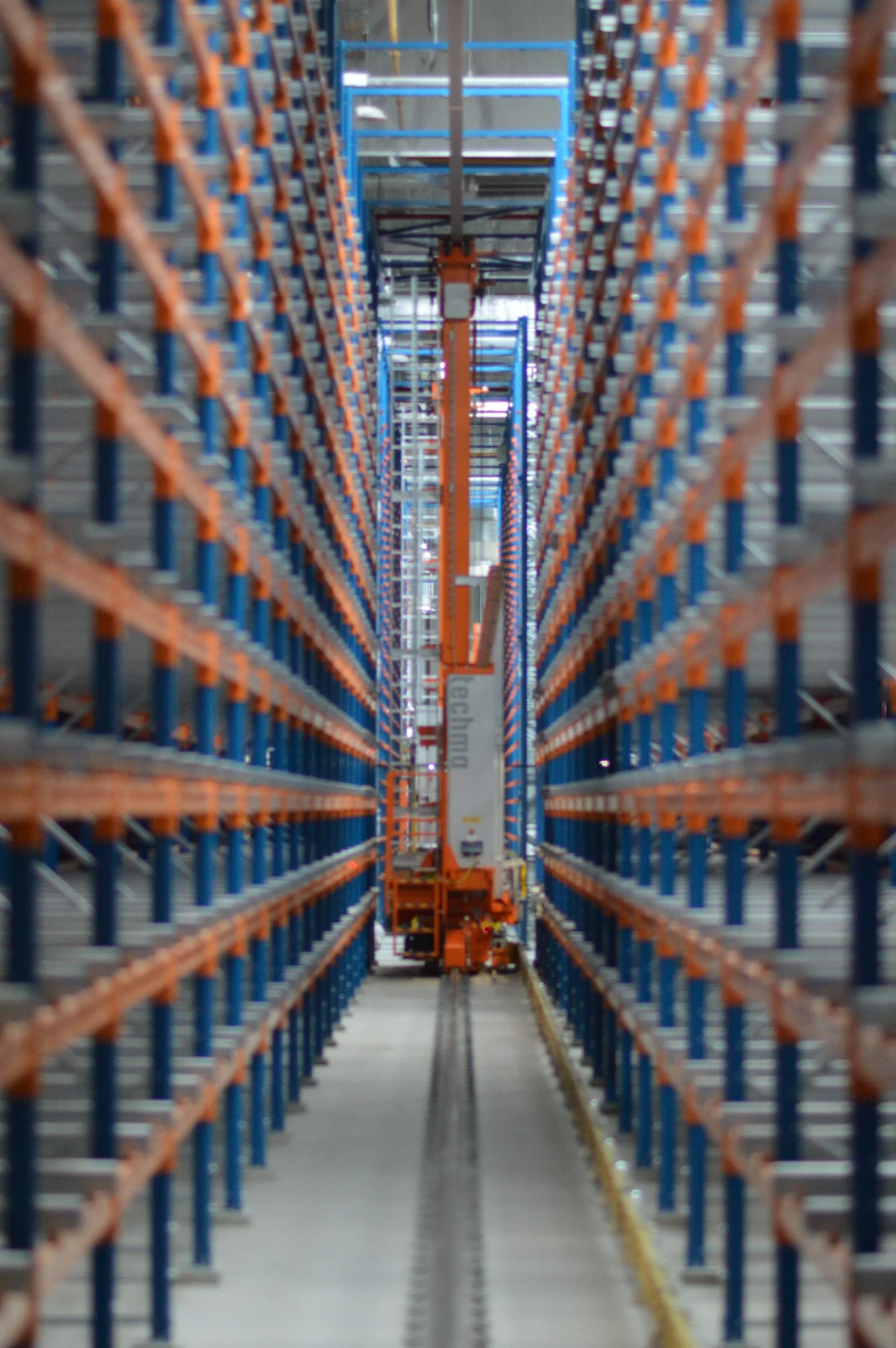
The basic types are pallet stacker cranes, designed for transporting heavy pallets, and container stacker cranes (MiniLoad), which handle lighter units such as containers and small items.
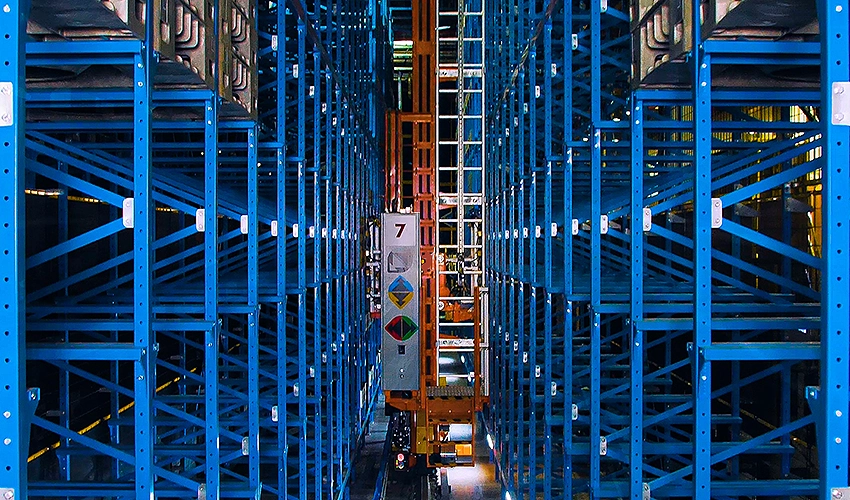
Another important aspect is the number of masts – the main structural elements on which the load handling mechanism is mounted. Stacker cranes can have one or two masts. The devices travel on a lower rail and are stabilized by an upper guide, making them suitable for higher loads.
Modern stacker cranes are designed for 24/7 operation, including low-temperature environments down to -30°C, and they work seamlessly with WMS systems.
Single-mast pallet stacker crane – a universal foundation of automation
One of the most basic types of warehouse stacker cranes is the single-mast pallet stacker crane. It leads the way wherever flexibility, high performance, and the ability to handle different pallet formats are key.
Key features
|
Parameter |
Value |
|
Max. load weight |
up to 1500 kg |
|
Supported pallets |
Euro 800×1200, 1200×1200, non-standard |
|
Structure |
single-mast, scalable |
|
Applications |
production warehouses, distribution centers |
If you need efficient pallet automation while maintaining the option to expand the system in the future, this type is the right choice.
Double-mast stacker crane for panels – for demanding materials
Furniture boards, sandwich panels, or structural panels? These materials require special care, which is ensured by a double-mast stacker crane.
Why double-mast?
|
Feature |
Benefit |
|
Two load-bearing masts |
high stability |
|
Dedicated gripper |
no edge damage |
|
High rigidity |
safe transport of flat materials |
This type of stacker crane minimizes material losses and increases safety, making loads less prone to damage.
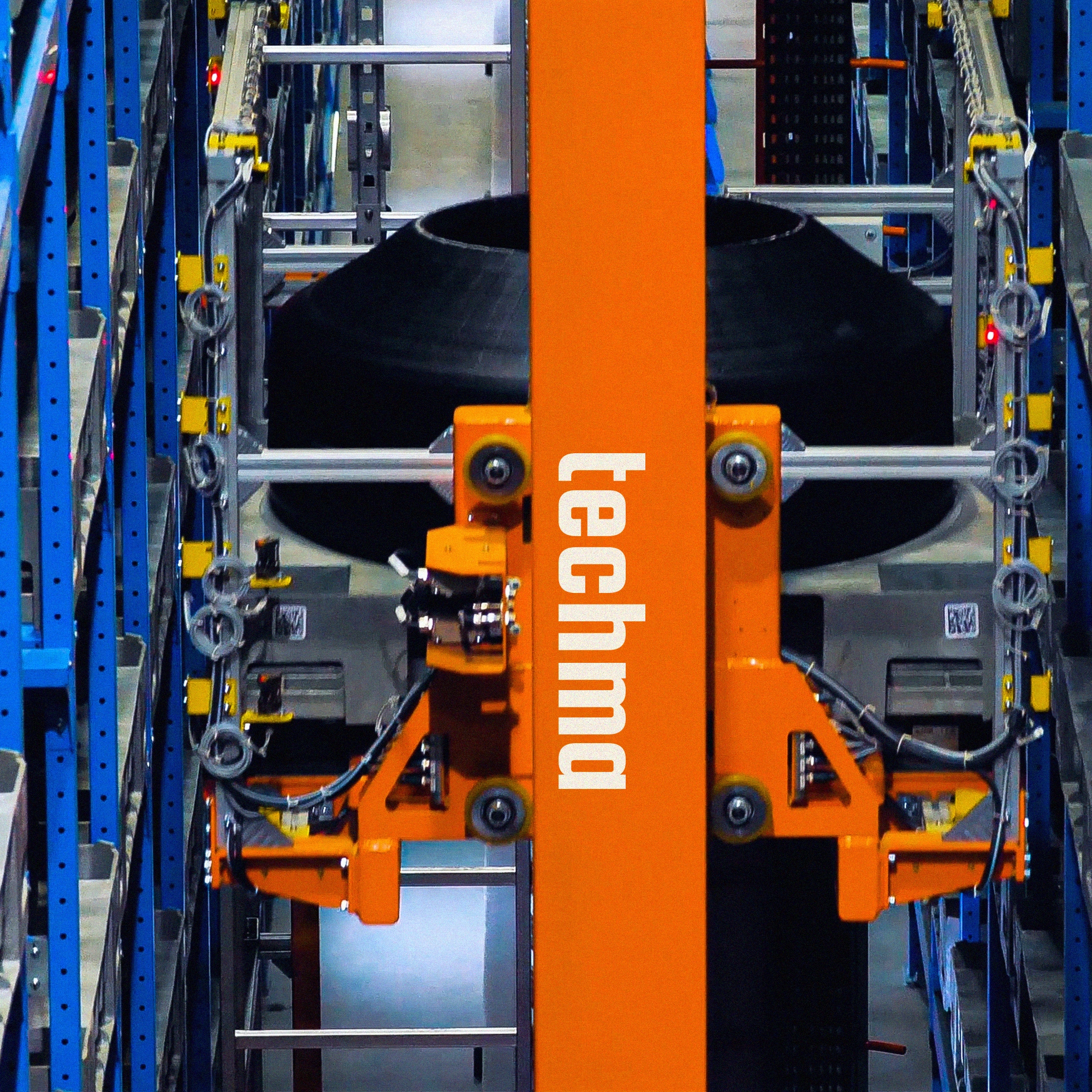
Single-mast coil stacker crane for the tire industry
Steel coils with wound materials are loads with specific geometry and high weight. Dedicated single-mast coil stacker cranes are designed for such applications.
|
Element |
Description |
|
Load carrier |
steel coils |
|
Application |
tire manufacturing, heavy industry |
|
Structure |
single-mast, dedicated gripper |
|
Result |
smooth integration with production |
Double-mast tire stacker crane – performance and safety
Finished or raw tires take up a lot of space and can be challenging to store. The double-mast tire stacker crane was designed specifically to address these challenges.
What sets it apart?
|
Advantage |
Meaning |
|
High strength |
handling heavy units |
|
Stable structure |
safe placement |
|
Automation |
high throughput |
MiniLoad warehouse stacker cranes – speed for light loads
Not every warehouse focuses solely on pallets. That is why solutions for crates, cartons, and containers were developed. The MiniLoad stacker crane is the best fit for such needs.
|
Parameter |
Range |
|
Load type |
cartons, containers, trays |
|
Max. load weight |
approx. 200 kg |
|
Applications |
piece picking logistics, e-commerce |
|
Priority |
speed and precision |
Types of stacker cranes – how to match them to your business
First and foremost, it is worth answering a few key questions:
-
What type of load do you store?
-
What is the turnover rate?
-
How much space do you have?
-
How should the system operate?
Only based on these answers should a stacker crane be selected to address warehouse challenges. At MPL Techma, we start with analysis and then design a complete intralogistics ecosystem: racking, stacker cranes, conveyors, picking stations, and control automation as one coherent system.
Advantages of warehouse stacker cranes – the key to efficient ASRS
With a properly selected stacker crane, you gain maximum use of warehouse height, significantly higher throughput, improved employee safety, and full control over goods flow.
If you need a stacker crane, MPL Techma is at your service:
-
we design tailor-made stacker cranes,
-
we deliver complete end-to-end systems,
-
we provide service and support in Poland,
-
we comply with all standards and directives (CE, Machinery Directive).
You do not need to know which type of stacker crane to choose – that is our role. You tell us how your business operates, and we design a system that enables its growth.
FAQ – types of warehouse stacker cranes
1. What is a warehouse stacker crane?
A warehouse stacker crane is a specialized device used to automate the storage process in a warehouse. Each stacker crane enables precise placement of load units on racks, minimizing the need for manual transport.
2. What are the advantages of warehouse stacker cranes?
The advantages include increased efficiency and optimized use of warehouse space. Stacker cranes eliminate errors during goods receiving and dispatch and reduce the risk of damage.
3. What is a single-mast stacker crane?
A single-mast system uses one vertical mast and a lifting carriage to transport loads within racking. It works well in warehouses of varying heights with standard load dimensions.
4. When should double-mast stacker cranes be used?
Double-mast stacker cranes are ideal for heavy loads and large dimensions that require a stable gripper and lifting carriage. They allow automation in cold storage warehouses and high-bay facilities.
5. How do stacker cranes affect inventory processes?
Stacker cranes are integrated with warehouse management systems, enabling automatic inventory tracking. Operators can easily monitor the location of load units without manual counting.
6. Do stacker cranes eliminate the need for manual work?
Yes, stacker cranes automatically transport and store load units. This reduces operator workload and eliminates manual errors in the operating cycle.
7. What types of loads can stacker cranes handle?
Warehouse stacker cranes can handle pallets, containers, cartons, coils, and other load units. Specialized grippers allow handling according to warehouse specifications and operating cycles.
8. How do stacker cranes support warehouse safety?
Stacker cranes are equipped with operator protection systems and safety zones for technical equipment. They enable safe receiving and dispatch of goods while minimizing accident risks.
9. Do stacker cranes operate in cold storage warehouses?
Yes, stacker cranes are designed to operate in cold storage warehouses at temperatures as low as -30°C, enabling automation in specialized facilities.
10. How do you choose the right stacker crane for a warehouse?
Each stacker crane should be designed according to the load characteristics, lifting carriage, and rack dimensions. It is important to consider the advantages and limitations of different stacker crane types and the need for integration with a warehouse management system.