Internal transport in a warehouse - 7 ways to improve it effectively
A few weeks ago, a client from the e-commerce sector contacted us. The company was struggling with downtime and delays in the warehouse. Goods were constantly reaching their destination late, and employees were wasting time searching for pallets and containers, not to mention dissatisfied customers. We identified the problem: inadequate internal transport.
We proposed comprehensive solutions: shuttle systems for automatic movement of goods, warehouse lifts and pallet stacker cranes for vertical transport, and several other options. The conclusion? Sometimes even one small change is enough to significantly improve internal transport in a warehouse. In this article, however, we present as many as seven ways to reduce losses and enjoy an optimized warehouse.
Well-thought-out material flow – from inbound to outbound
Every internal transport project should start with one question: how do goods move through the warehouse? Without this, crossing routes, backtracking of goods, and downtime are almost guaranteed. That is why in intralogistics a process-oriented view is the foundation – from receiving, through storage and picking, to shipping.
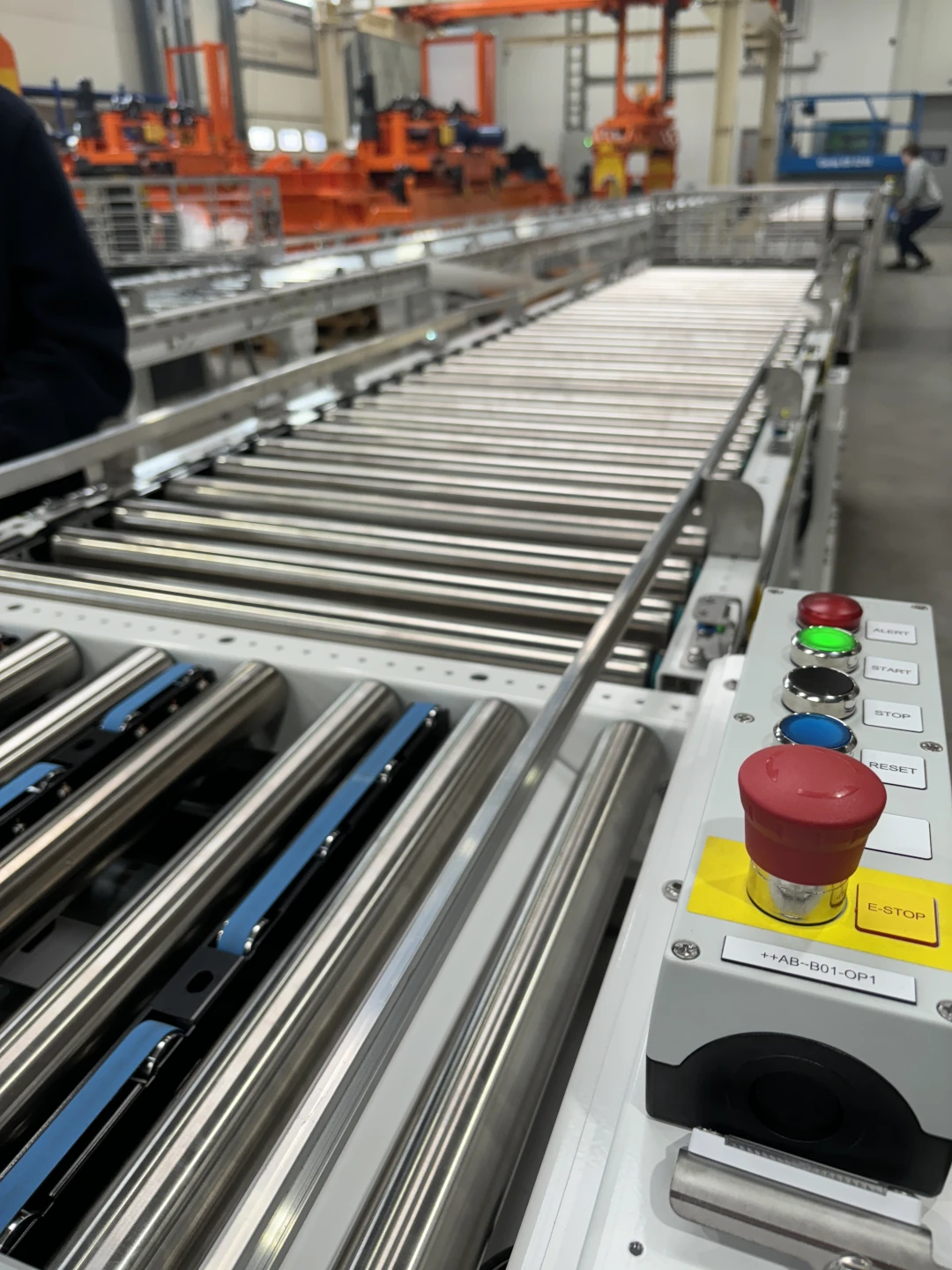
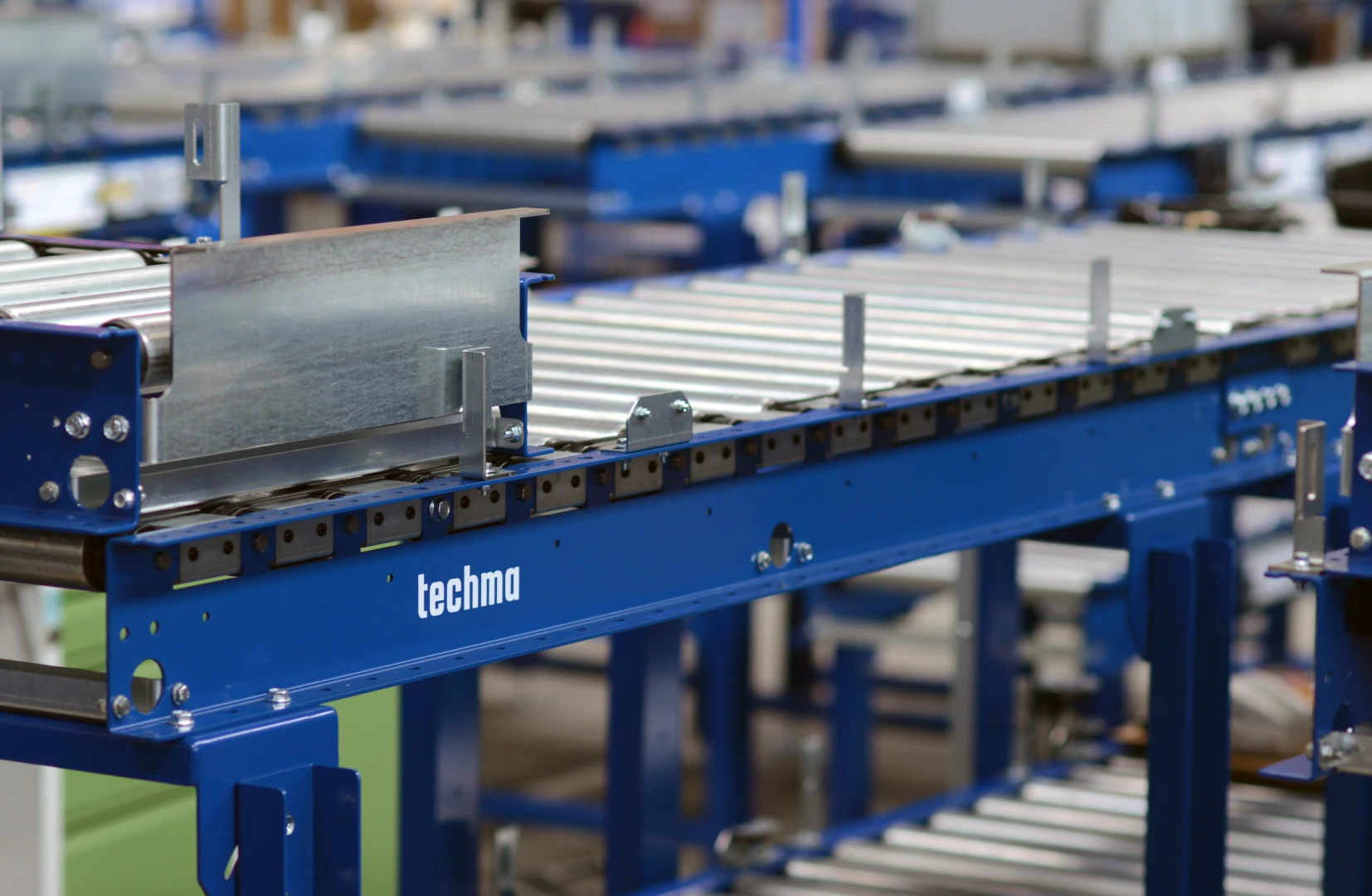
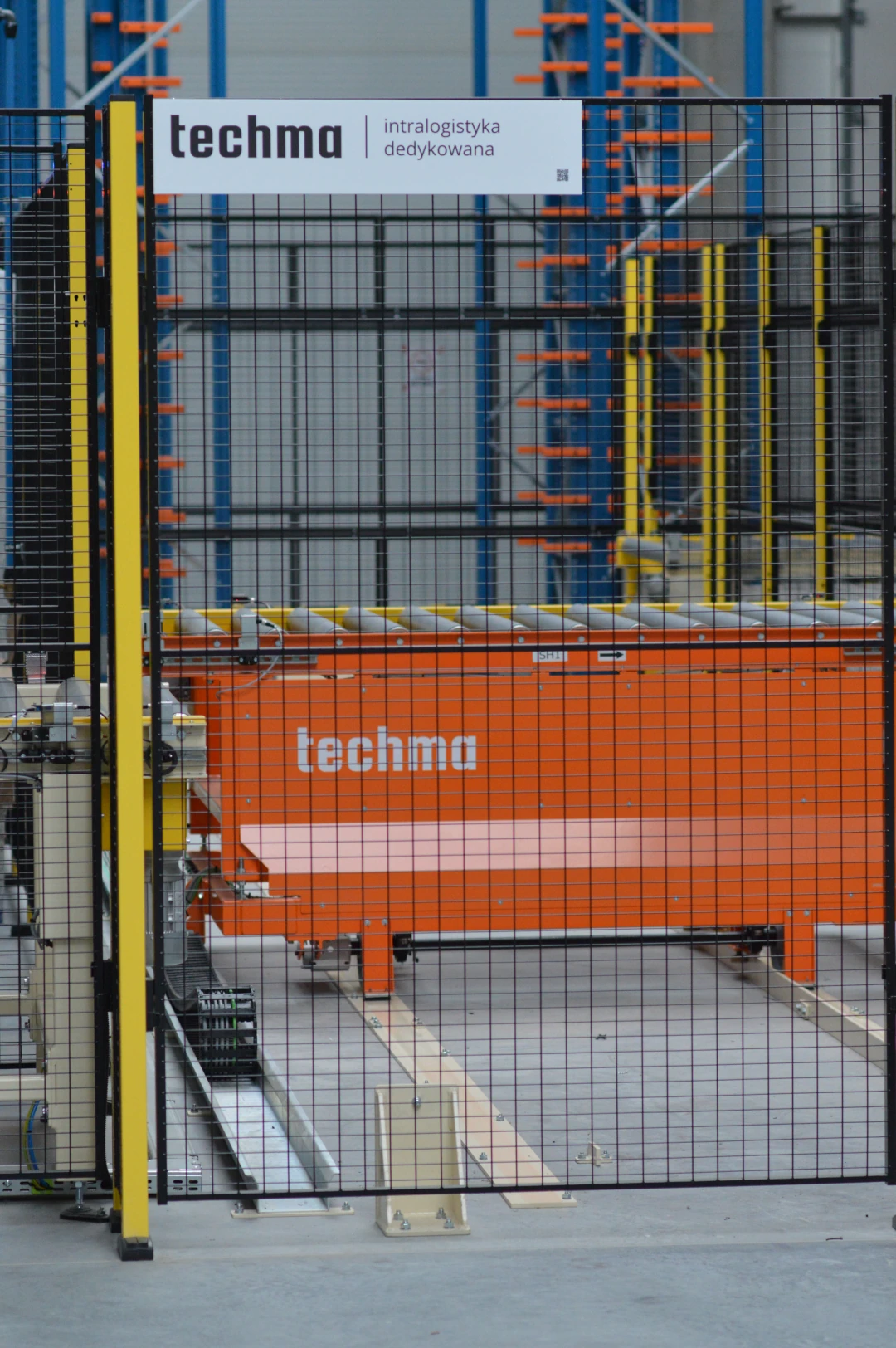
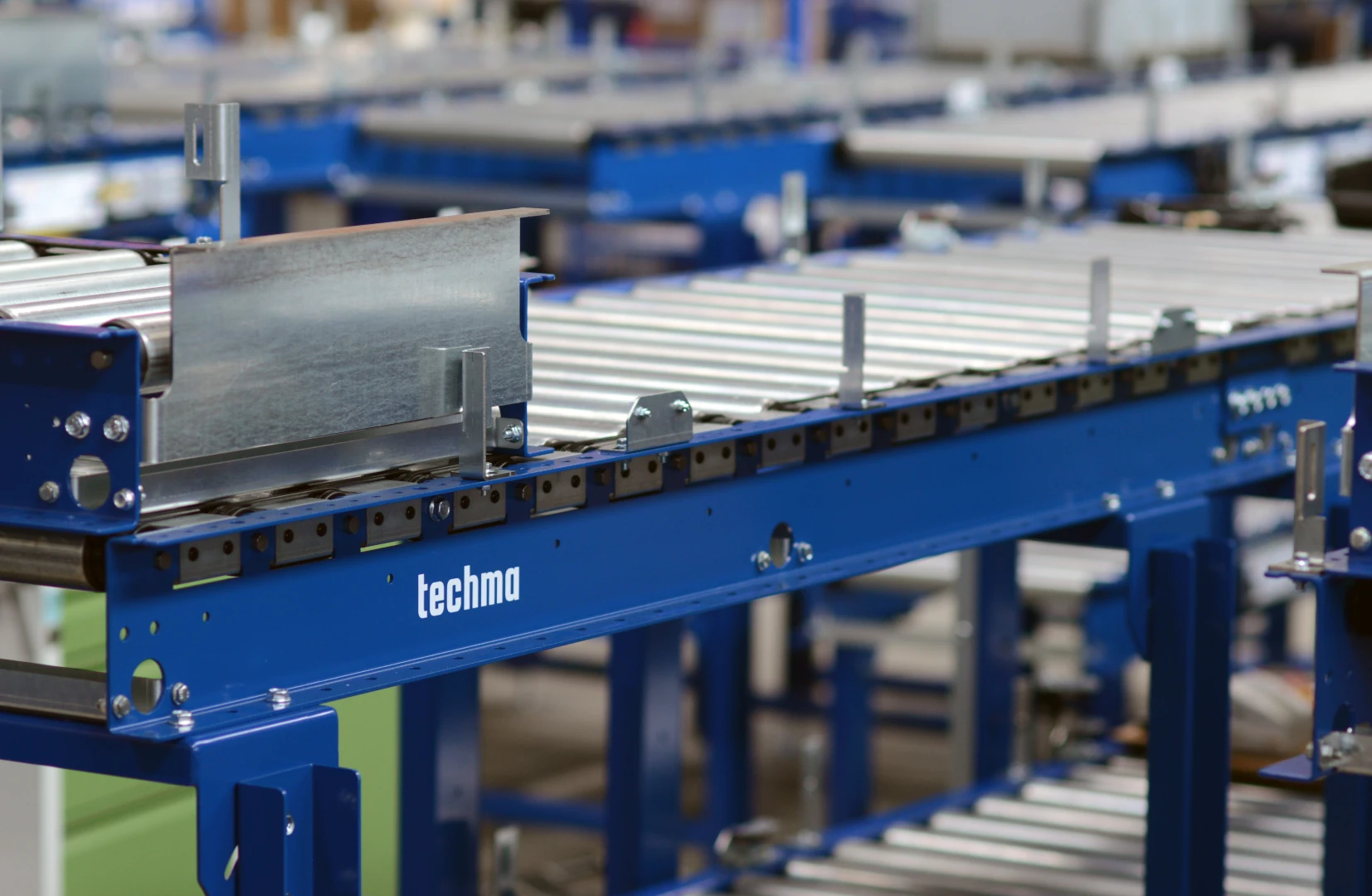
Automatic conveyors tailored to the type of load
What is particularly burdensome? Manual handling of crates, containers, or pallets, which not only slows down work but also generates losses, errors, and even accidents.
For this reason, it is worth implementing automation and equipment such as roller and belt conveyors. They allow you to:
-
organize the flow of goods,
-
stabilize the work pace,
-
integrate different warehouse zones.
In MPL Techma solutions, conveyors are configurable in terms of length, load capacity, and function. Therefore, they can be adapted to existing infrastructure or systems designed from scratch.
Vertical transport – because a warehouse is not only about width
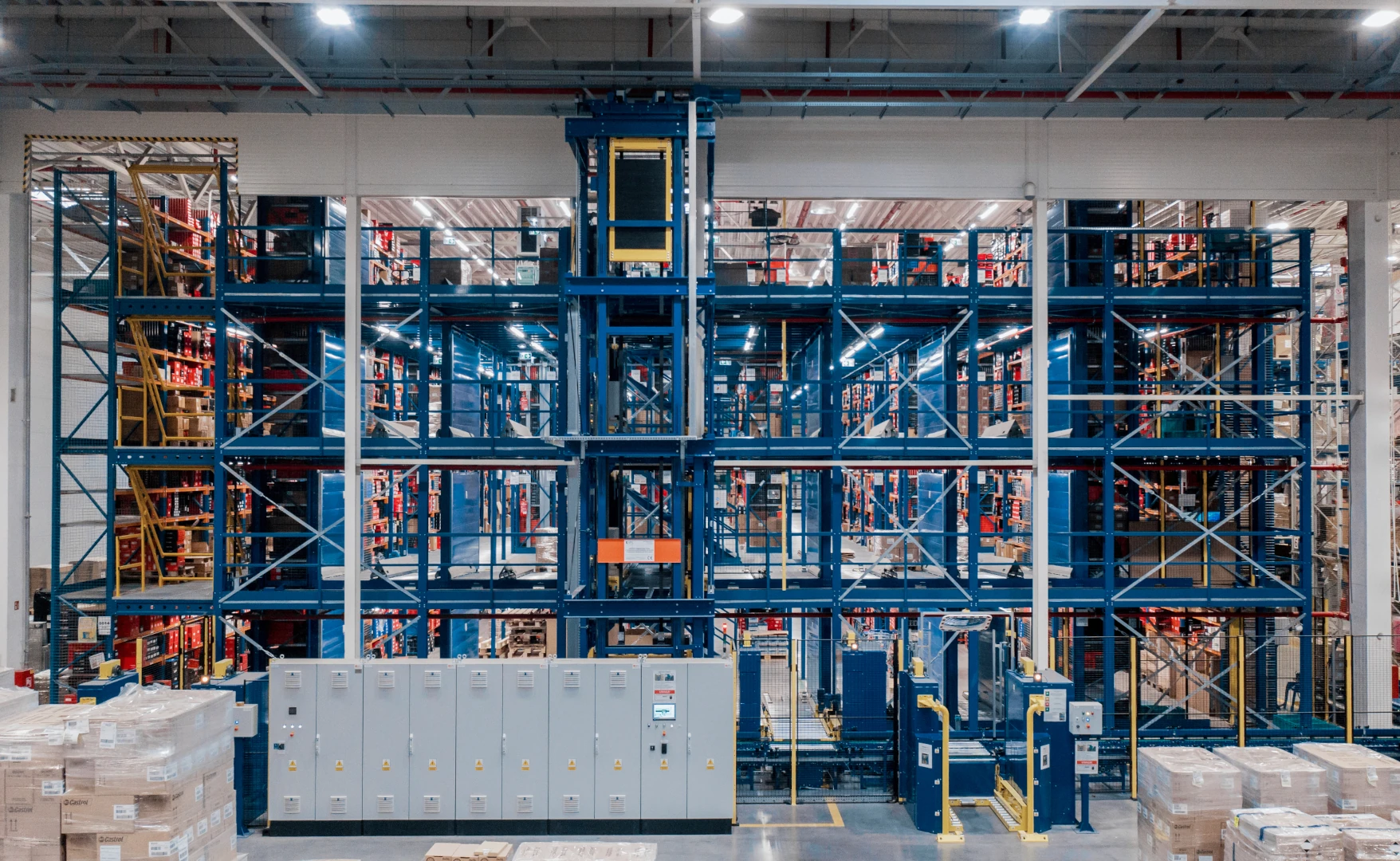
Modern facilities often have mezzanines, high-bay storage, and several picking levels. This is a real source of potential, because in tall buildings it is possible to use stacker cranes that store and move pallets between levels, while also reducing the need for forklifts.
Intelligent storage and retrieval systems
Internal transport is also improved by pallet stacker cranes and shuttle systems, which allow you to:
-
increase storage density,
-
shorten operation times,
-
eliminate errors.
Scalable single-mast stacker cranes and shuttle carts for totes from MPL Techma are a conscious choice, because they make it possible to expand the warehouse system, for example by increasing the number of storage locations or handled volumes, without rebuilding the entire warehouse.
Devices that support smooth operations
One example is pallet turntables, which enable a change of transport direction without manual intervention.
Thanks to them, pallets can be automatically directed to:
-
wrapping,
-
labeling,
-
further transport or storage.
How to improve internal transport in a warehouse? Internal transport equipment at a glance
Some options are presented in the table below.
|
Device / solution |
Application in the warehouse |
Benefits for the warehouse |
|
Shuttle systems |
Automatic movement of pallets and crates in high-bay racking |
Shorter transport time, increased warehouse capacity, elimination of storage placement errors |
|
Warehouse lifts |
Vertical transport of pallets and containers between levels |
Use of warehouse height, reduced forklift usage, faster transport between levels |
|
Pallet stacker cranes |
Automatic storage and retrieval of pallets or other load carriers in high-bay warehouses |
Increased storage density, shorter operation times, elimination of storage errors |
|
Roller conveyors |
Horizontal transport of crates and pallets over various distances |
Organized goods flow, stabilized work pace, integration of different warehouse zones |
|
Belt conveyors |
Transport of light and medium containers between picking zones |
Improved goods flow, reduced downtime, employee time savings |
|
Pallet turntables |
Change of pallet direction without manual intervention |
Automatic change of transport direction, easier wrapping, labeling, and further transport |
|
WMS systems with device integration |
Central control of all internal transport equipment |
Consistent internal transport, control of goods flow, better management of warehouse processes |
Integration of all elements into one system
The most common mistake? Buying individual devices without a coherent concept. Internal transport works reliably only when all elements are integrated into a well-thought-out system.
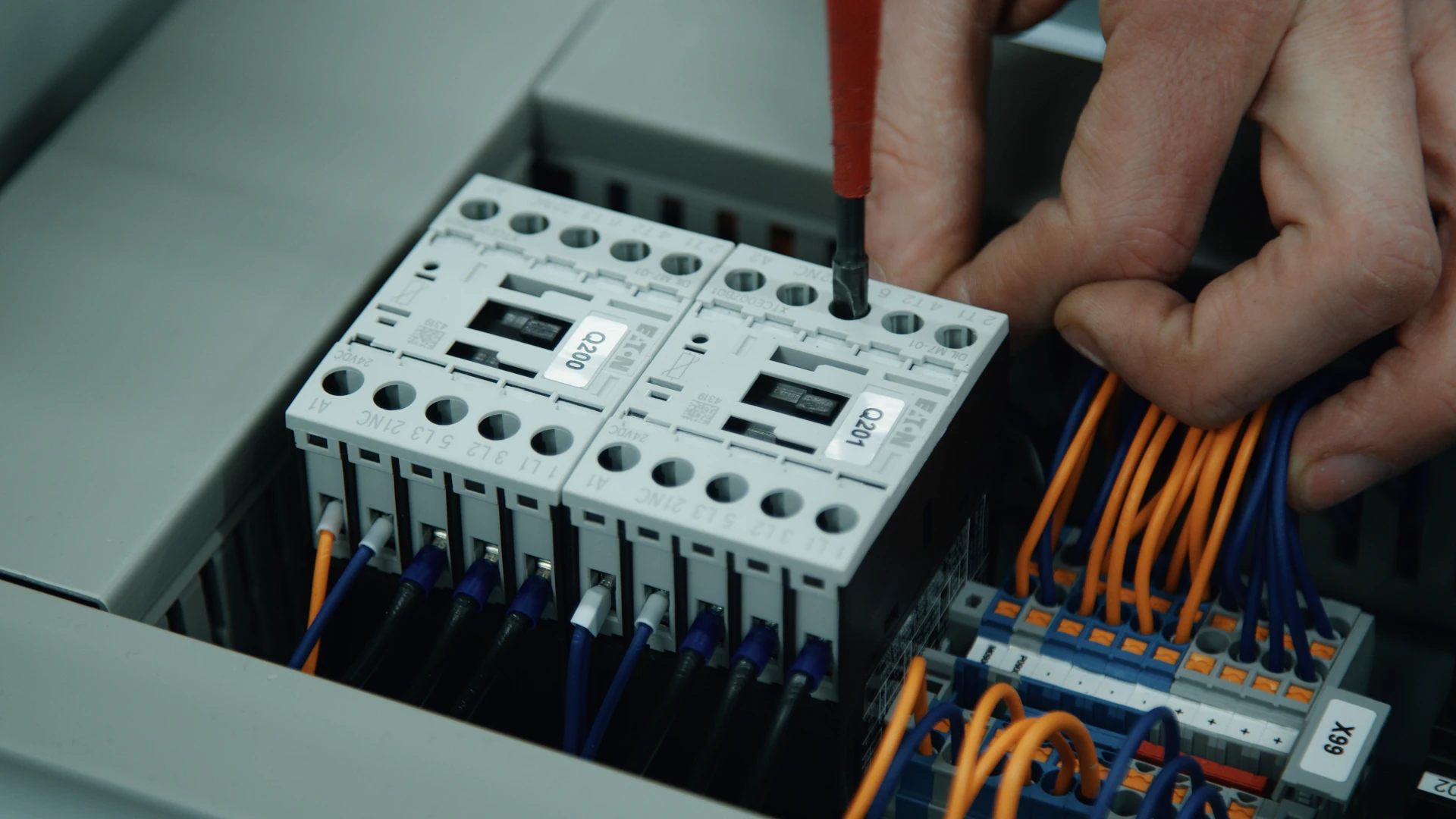
No two warehouses are the same. They differ in assortment, volume, work dynamics, and the owner’s future plans. That is why an individual design approach is so important in warehouse internal transport. At MPL Techma, we combine expertise in mechanics, automation, and electronics to offer equipment, automation, and technologies that fit the specific needs of each company. Feel free to contact us!
FAQ – internal transport in a warehouse
1. What does internal transport in a warehouse include?
Internal transport in a warehouse includes both horizontal and vertical movement of goods within the warehouse hall. It concerns the transport of pallets, containers, and other products, as well as integration with picking and loading processes.
2. What internal transport equipment is most commonly used?
Basic internal transport equipment includes pallet trucks, shuttle systems, roller and belt conveyors, and warehouse lifts. All these solutions optimize the movement of goods over short distances.
3. What is the difference between horizontal and vertical internal transport?
Horizontal transport involves moving goods within the warehouse over short distances. Vertical transport is carried out using lifts, stacker cranes, or miniload systems.
4. Why is internal transport planning important?
Planning internal transport allows optimization of aisles, routes, and racking locations. As a result, downtime and crossing of goods flows are minimized.
5. Can short-distance transport be automated?
Yes, short-distance transport can be improved by using transport carts, conveyors, and automatic shuttle systems. Such equipment reduces operation time and the risk of errors.
6. How do pallet trucks or AGV/AMR support internal transport?
Pallet trucks are mainly used for horizontal movement of pallets in the warehouse. They can be electric or combustion-powered, depending on the facility’s characteristics. Properly used transport trucks drive efficient execution of key warehouse tasks. The most advanced solution, however, is autonomous pallet trucks AGV/AMR, where human involvement is reduced to a minimum.
7. How can warehouse efficiency be increased with limited space?
Using high-bay warehouses, stacker cranes, and warehouse lifts allows maximum use of space. Automated storage systems increase storage density and improve pallet transport. Such investments save both time and space.
8. Does internal transport include production processes?
Yes, in production halls internal transport includes the movement of semi-finished products, finished goods, and raw materials. Transport equipment supports operations and enables smooth production logistics.
9. What is the role of transport system integration?
Integrating the internal transport system with WMS or ERP allows real-time monitoring of goods movement. This makes inventory management and order fulfillment more efficient.
10. What should be considered when choosing internal transport equipment?
When selecting internal transport equipment, you should consider the type of transport, the characteristics of the goods, and the size of the warehouse. It is also worth considering automation of repetitive tasks and integration with IT systems.