Order picking automation - how to approach the process in practice?
It is 2:30 p.m. There is only an hour and a half left until the end of the shift, and there are still dozens of orders waiting to be picked. Warehouse workers are rushing, but they know they will not make it. One person is looking for a missing shipment, while another has to manually move thirty parcels.
This scenario is repeated in many companies. Order picking is one of the most labor-intensive and costly processes in a warehouse. That is why it is the first area worth automating, which we explain in detail in this article.
Order picking in the warehouse – what problems does it generate?
Order picking accumulates all previous logistics decisions, such as storage methods, space organization, and material flow. If significant mistakes are made at any of these stages, they negatively affect the picking process.
The most common problems are:
-
long picking routes,
-
manual handling of crates and containers,
-
picking errors,
-
low repeatability of work,
-
difficulties in scaling during seasonal peaks.
Order picking automation is not about replacing people with machines, but about relieving them of the most time-consuming and repetitive tasks.
Order picking automation
Order picking automation includes:
-
automatic delivery of goods to the workstation,
-
transport of containers and crates without employee involvement,
-
buffering and sequencing of orders,
-
elimination of manual sorting.
What equipment automates order picking?
Many entrepreneurs plan to implement technologies that improve the order picking process. Which devices are worth paying attention to?
|
System element |
Role in order picking |
Business effect |
|
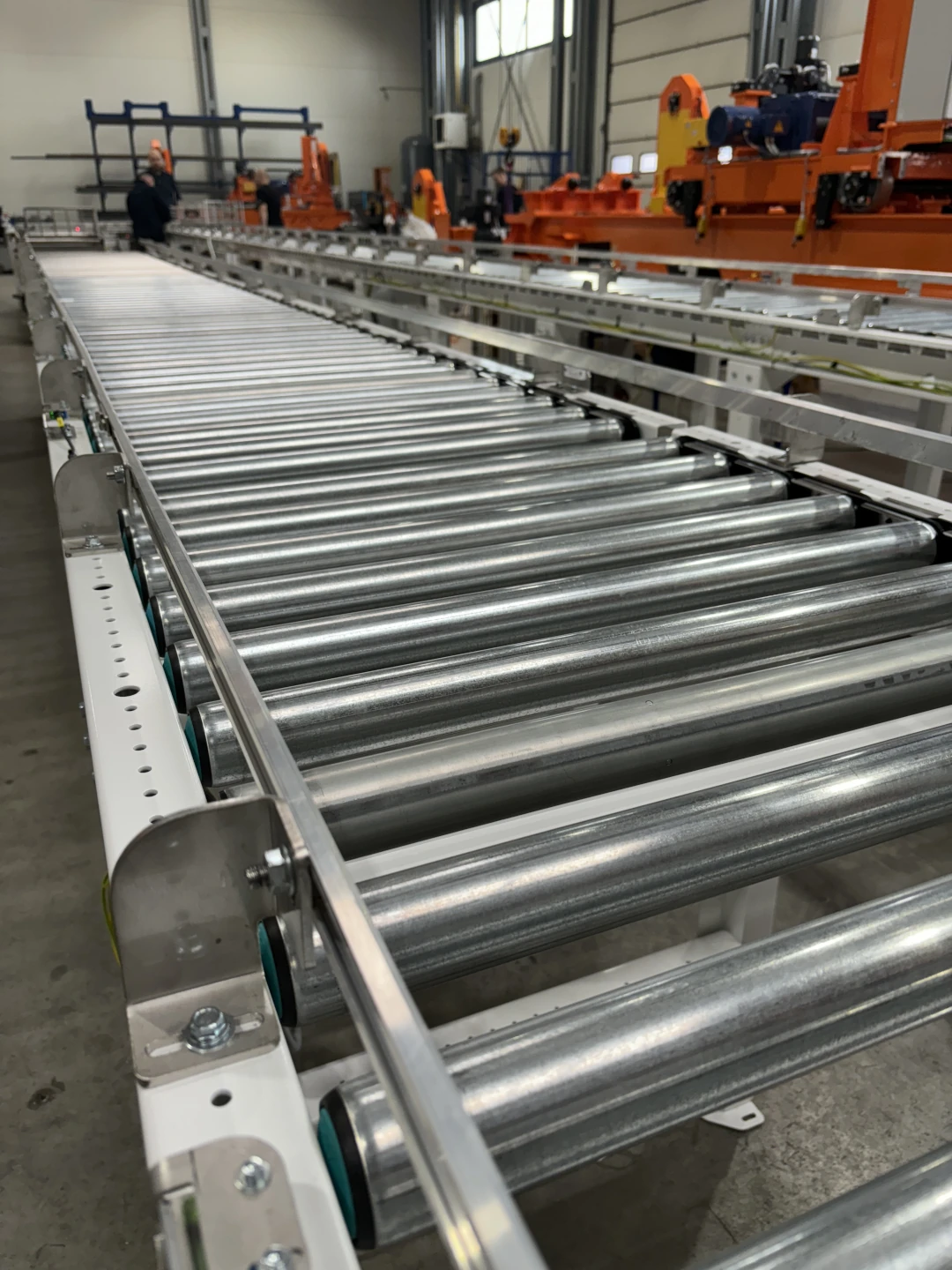
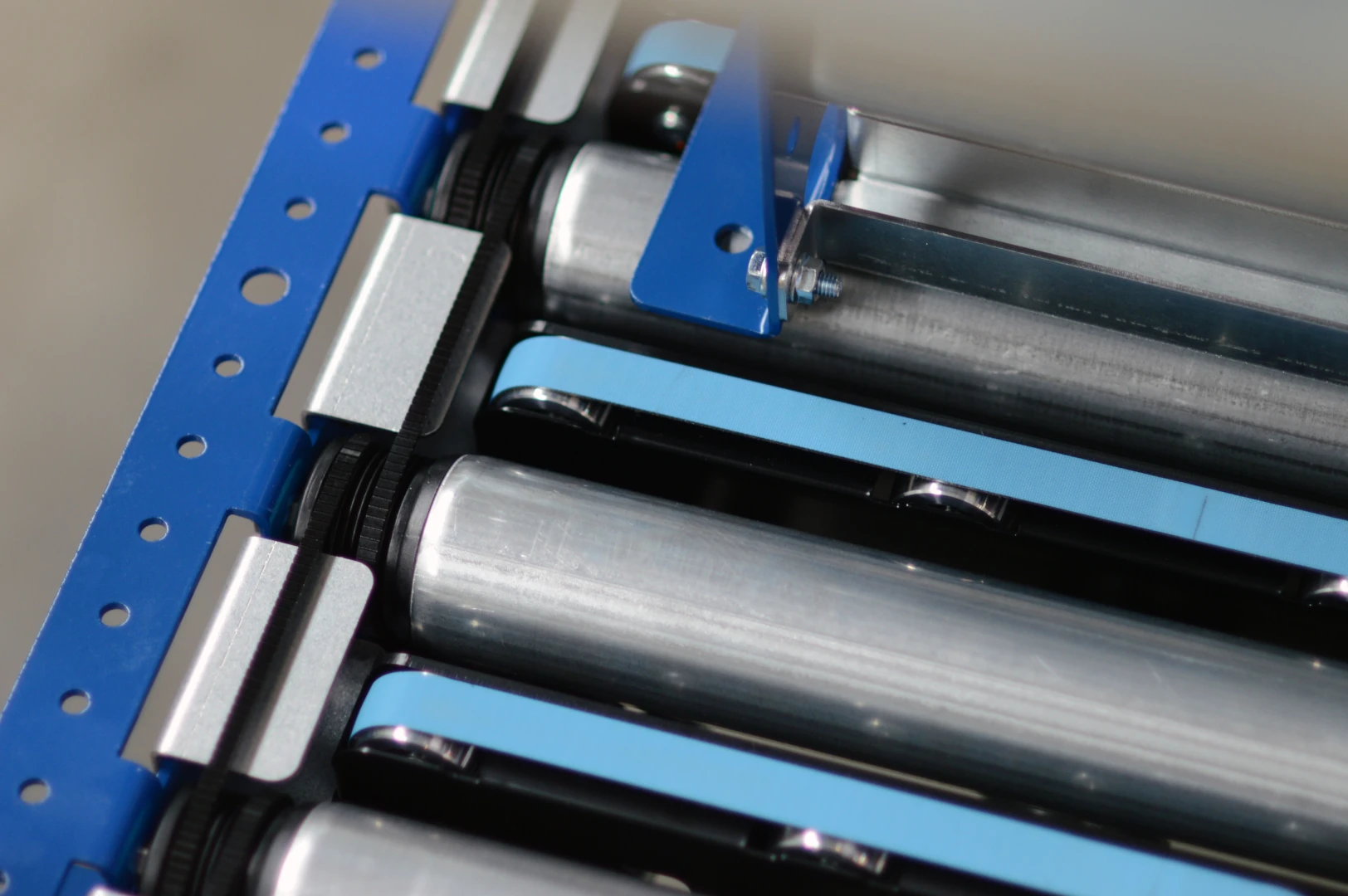
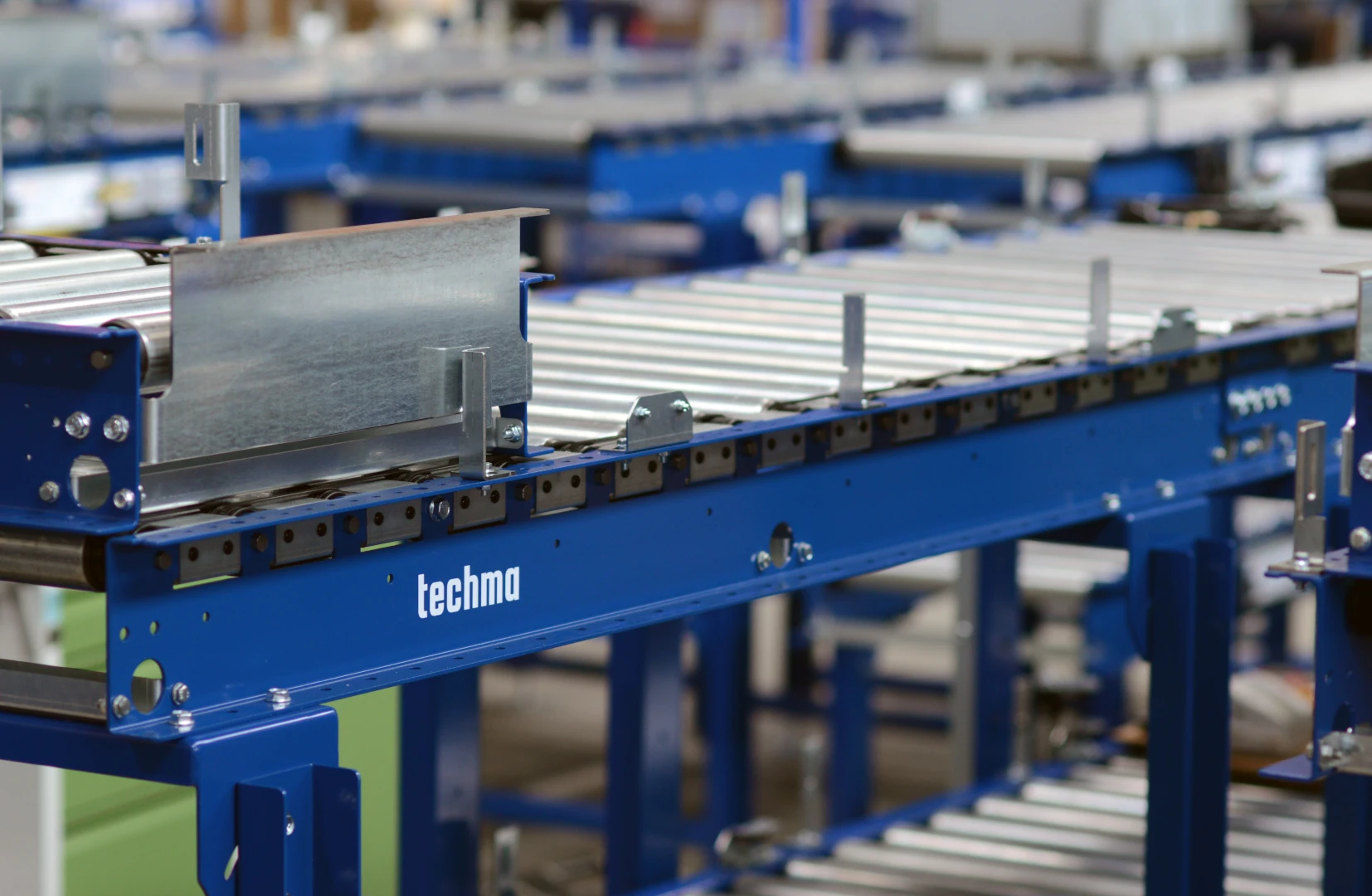
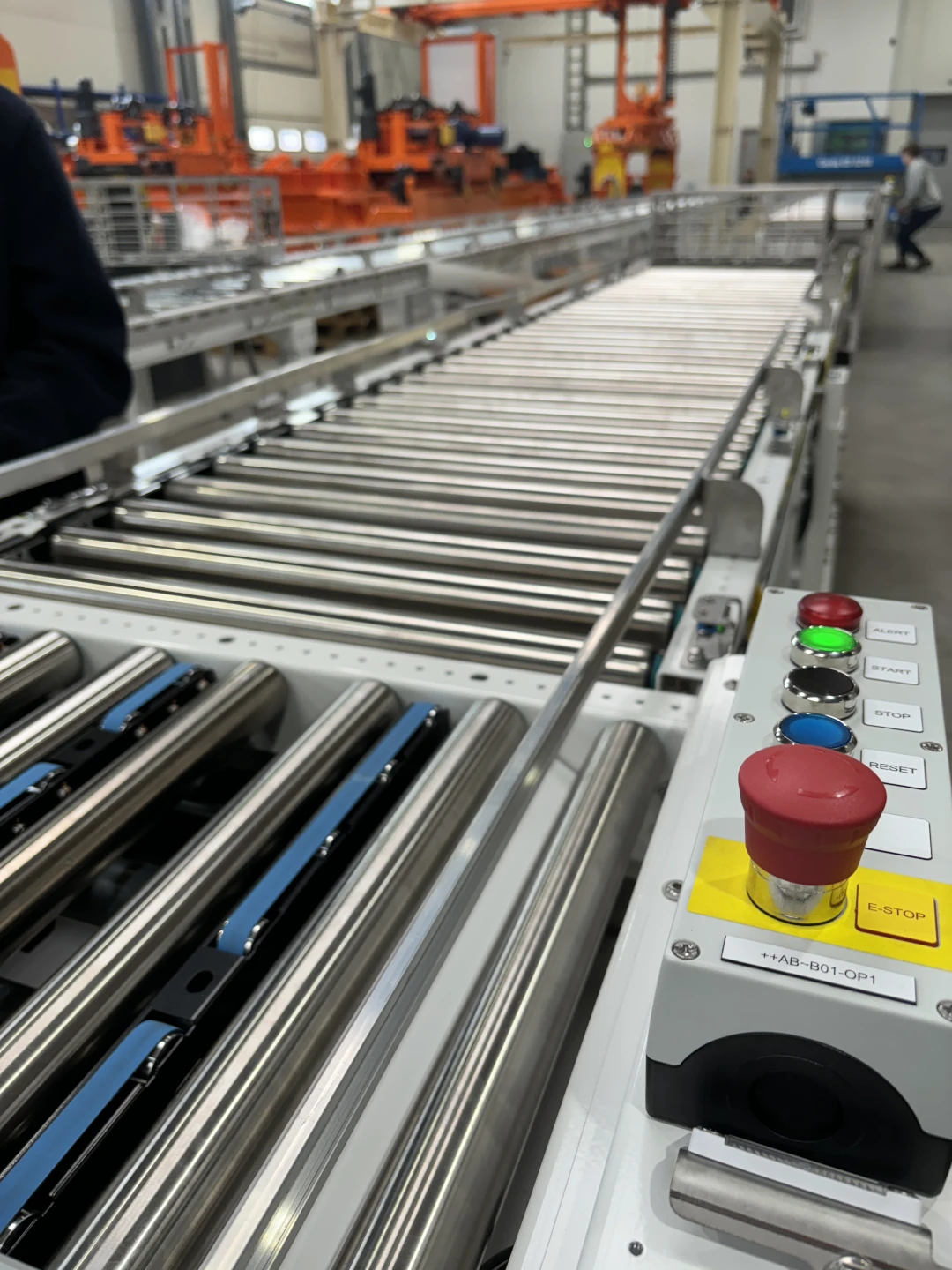
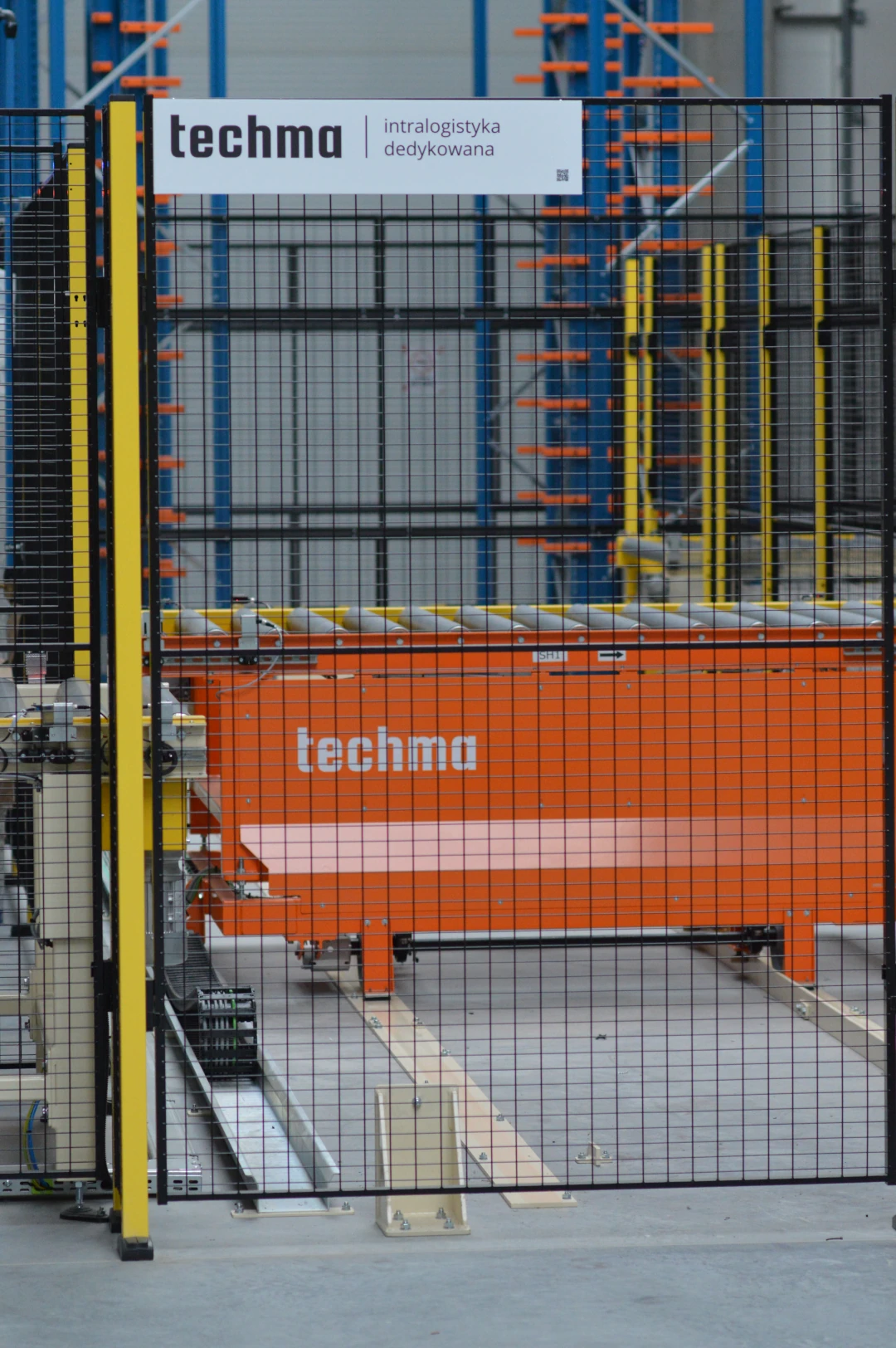
Roller and belt conveyors |
Automatic transport of crates between zones |
Shorter picking time, reduced employee workload |
|
Shuttle carts for totes |
Fast delivery of containers with goods |
No delays and fewer losses |
|
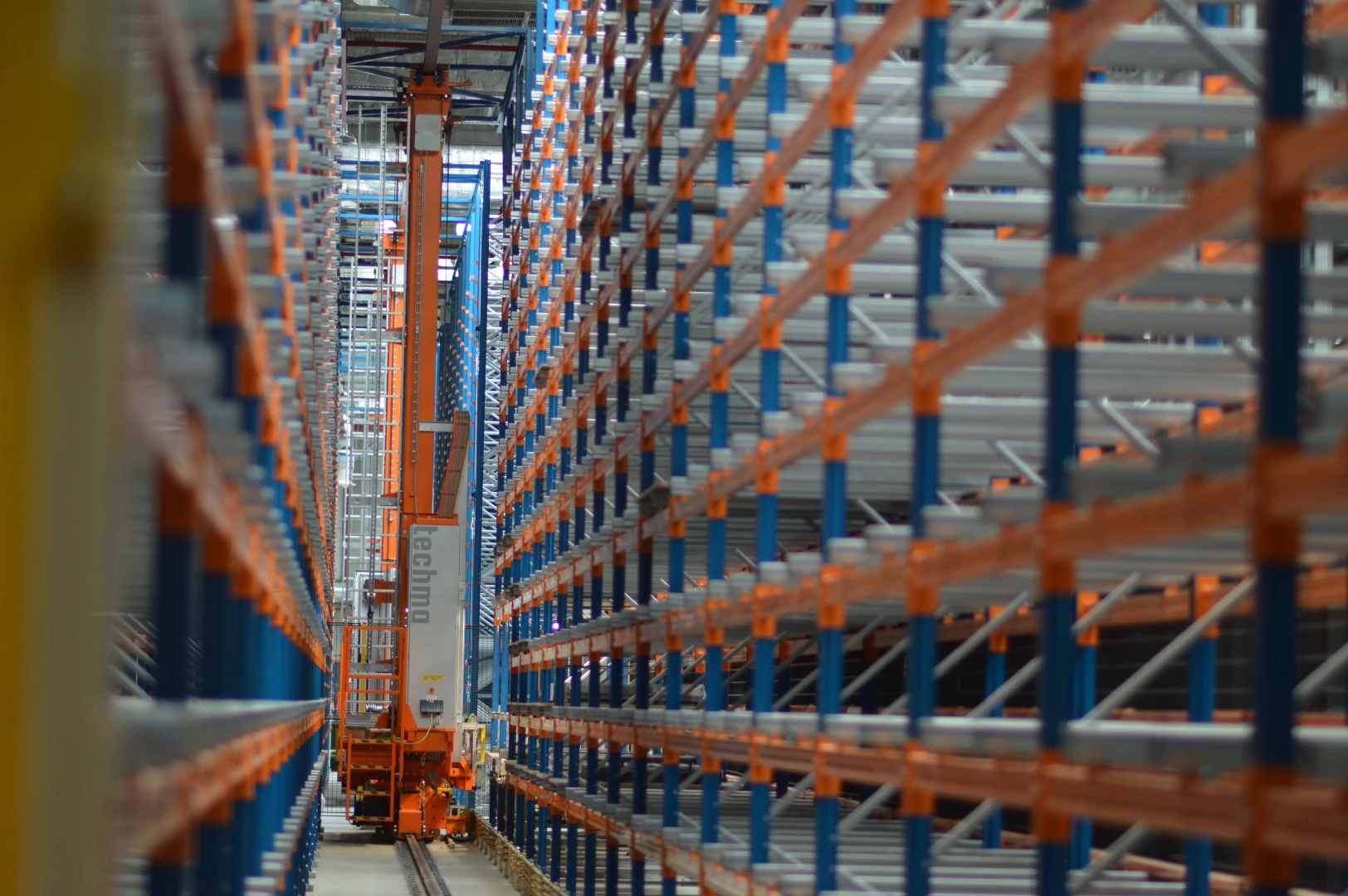
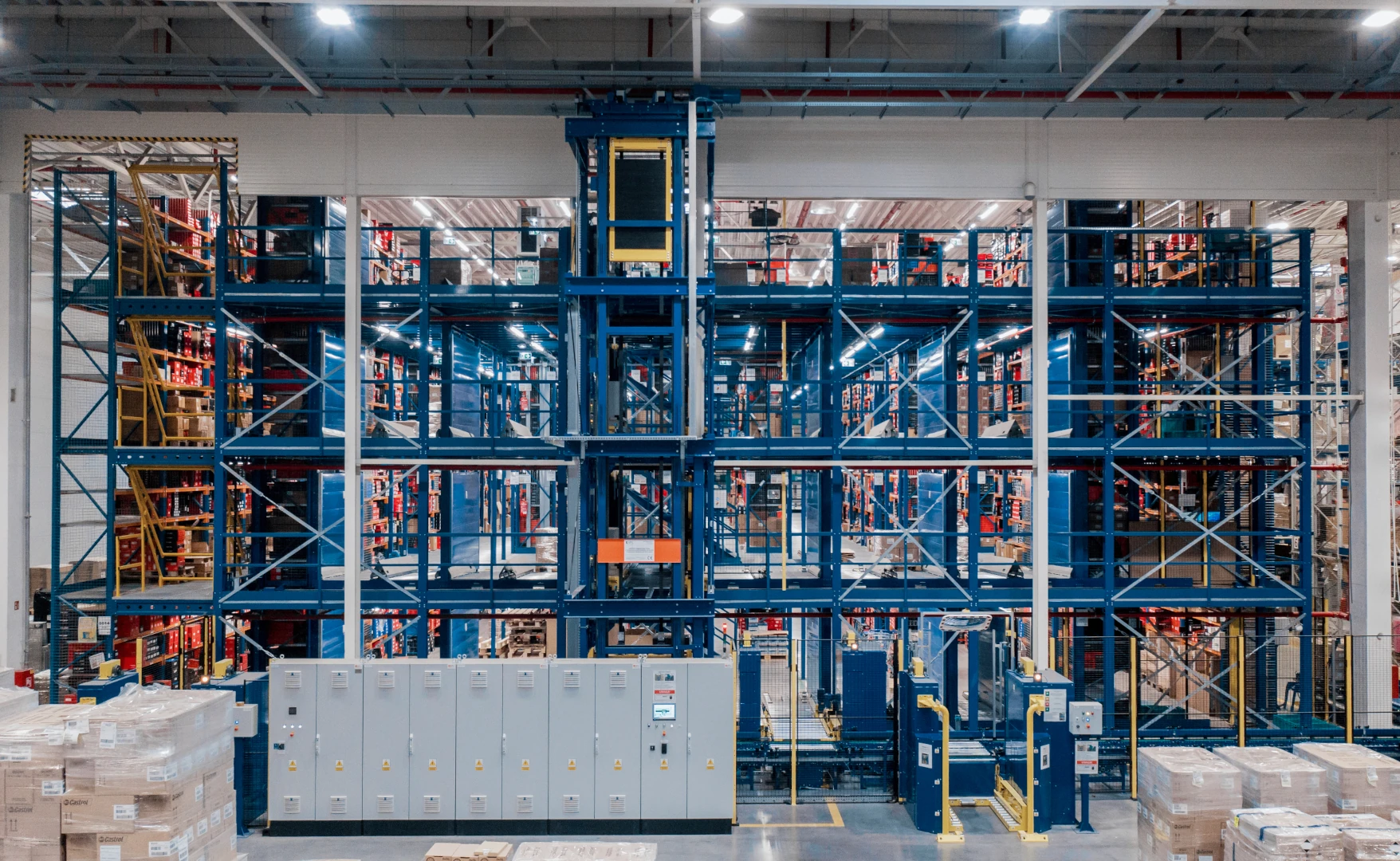
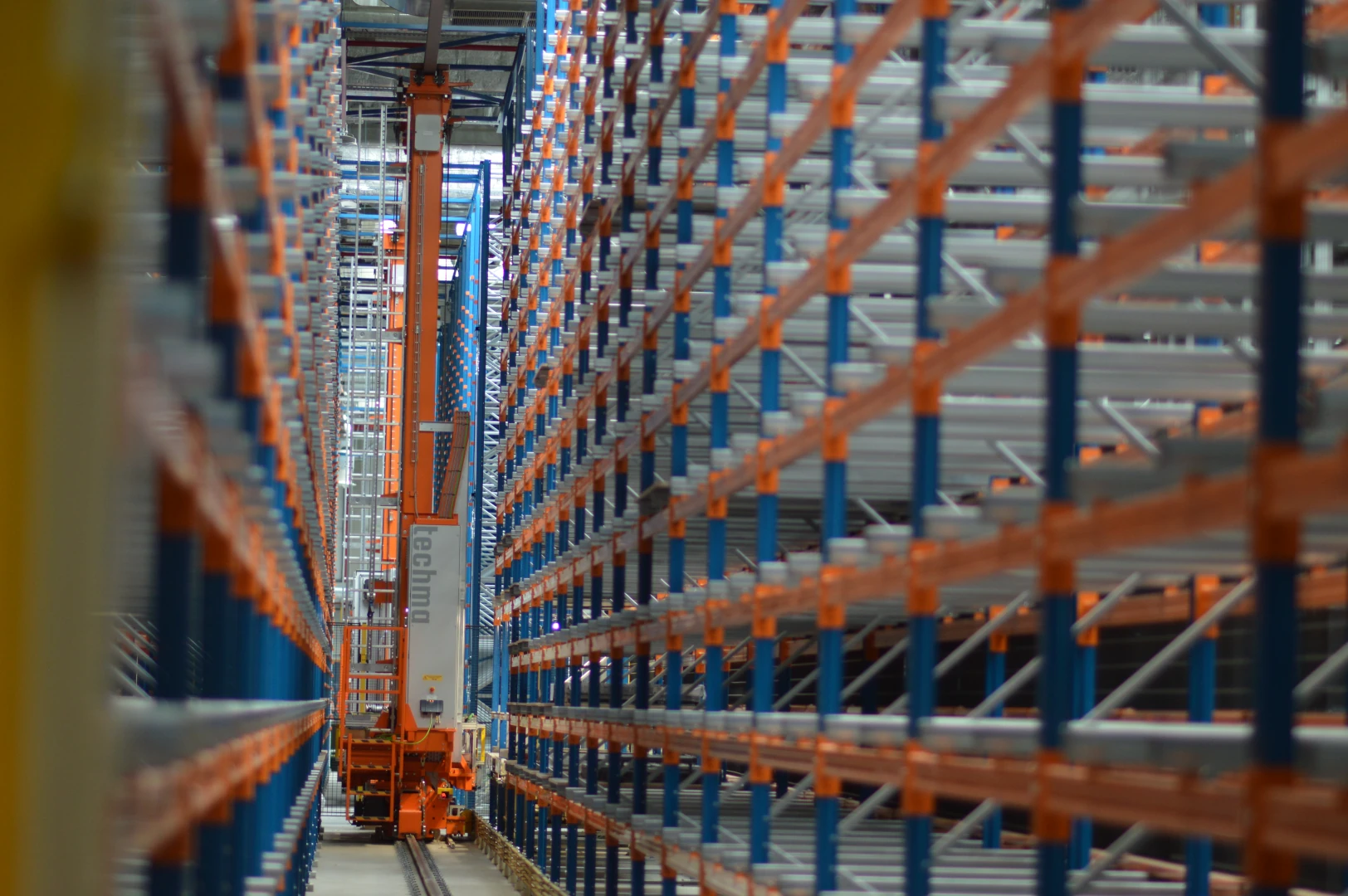
Pallet and tote stacker cranes |
Picking from an automated warehouse |
Elimination of location errors |
|
Pallet lifts |
Vertical transport between picking levels |
Smooth operation in multi-level warehouses and improved operator safety |
|
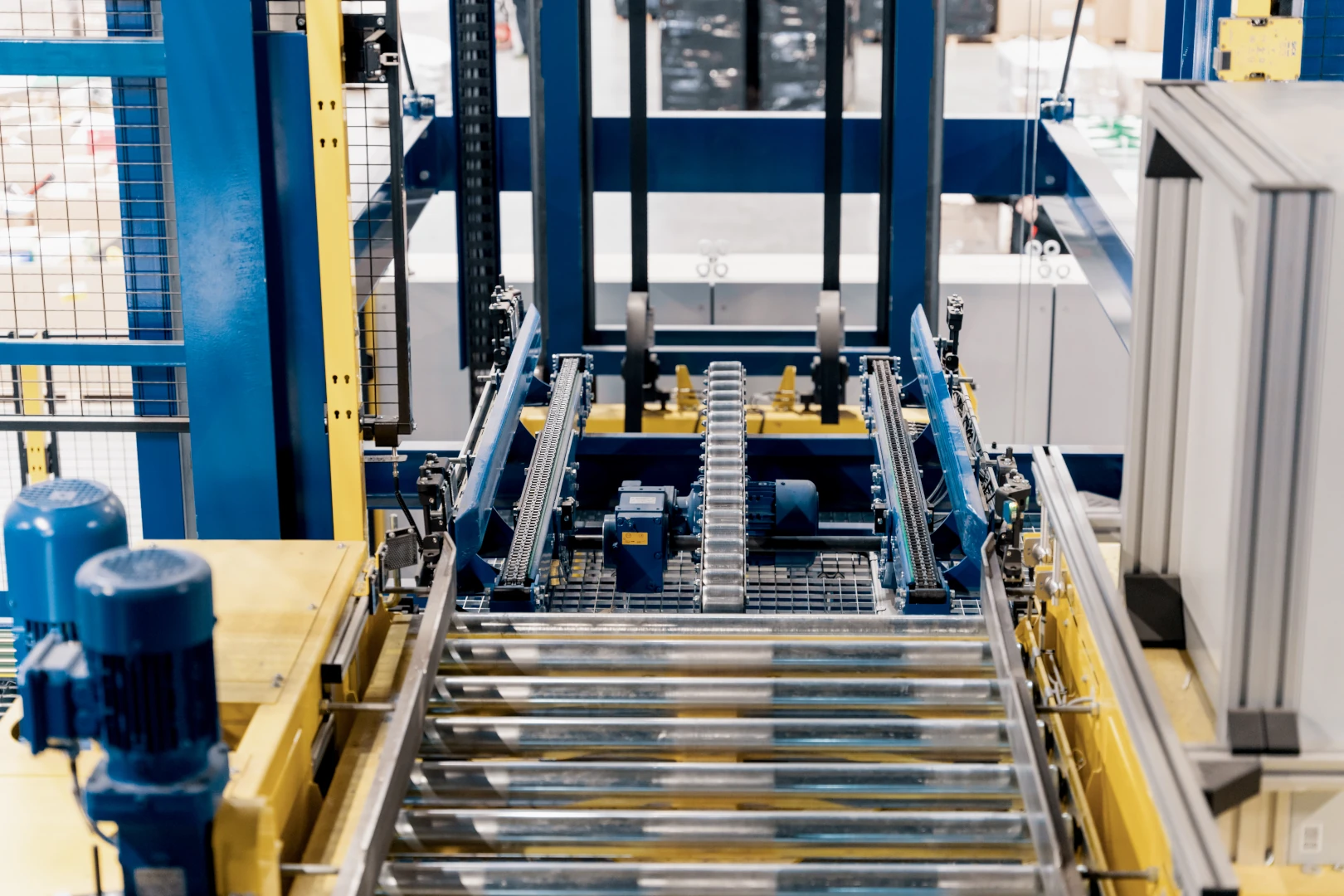
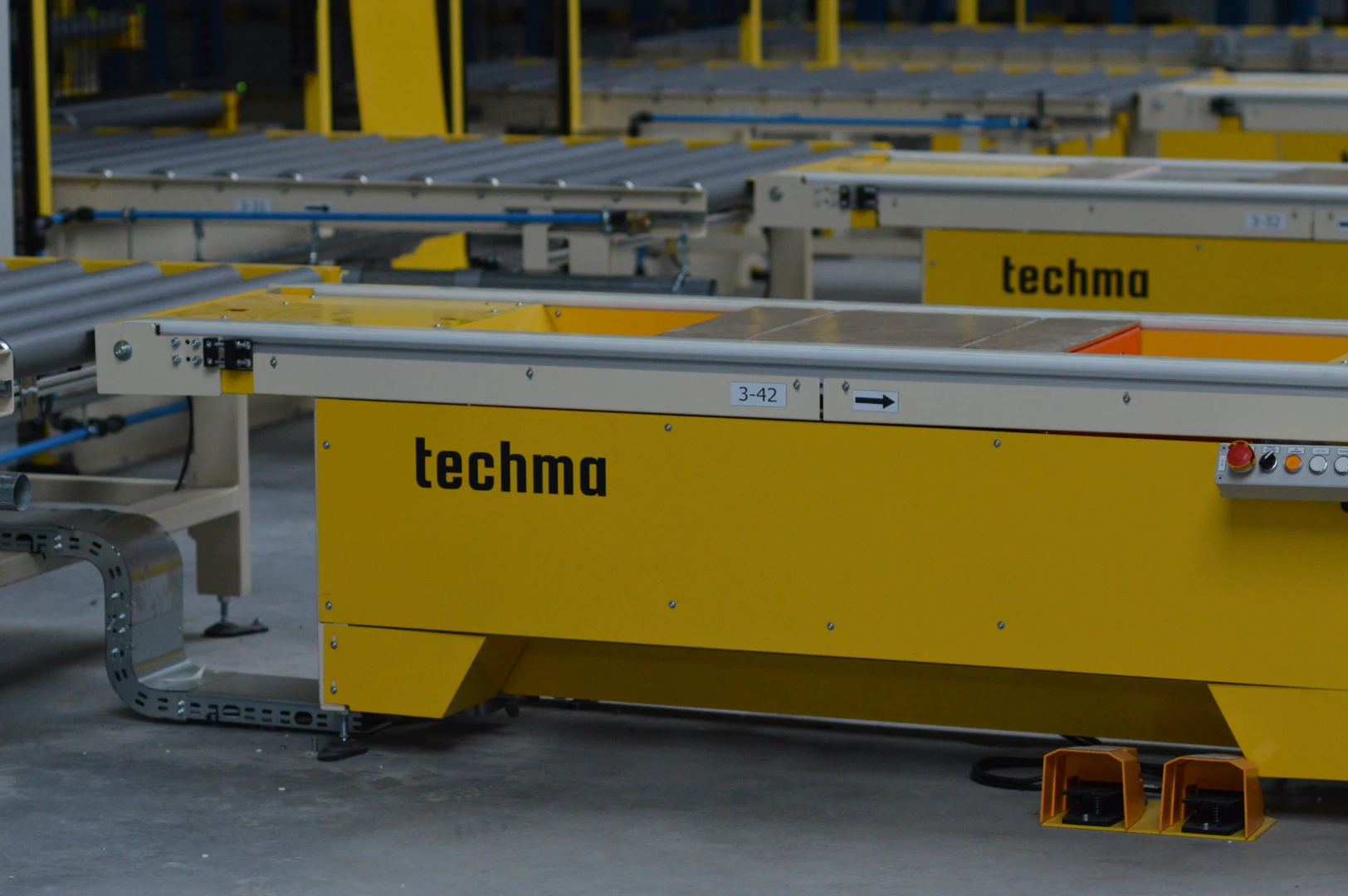
Pallet turntables |
Automatic change of transport direction |
No manual intervention, better ergonomics |
|
Dedicated systems |
Integration of all components |
Scalability and process predictability |
Shuttle carts – less manual work
Shuttle carts for totes ensure that:
-
the operator does not waste time moving around the facility,
-
the work pace is constant,
-
multi-shift operation is possible without a drop in quality.
This approach works especially well in warehouses with a large number of SKUs and high order dynamics.
Warehouse conveyors – efficient internal transport
It is difficult to talk about order picking automation without efficient internal transport.
MPL Techma warehouse conveyors:
-
connect storage zones with picking areas,
-
enable order buffering,
-
organize traffic in the warehouse.
Order picking automation – which methods are worth using?
There are several automation approaches worth considering:
-
Goods-to-Person (G2P) – conveyor systems and stacker cranes deliver products directly to the operator, reducing unnecessary movement around the facility.
-
Goods-to-Robot (G2R) – robots pick products from containers and place them in the target location, fully automating the picking process.
-
Shelf-to-Person – autonomous mobile robots (AMR) transport entire shelves with products to the worker.
-
Pick-by-Light / Voice Picking – light and voice systems guide the worker to the correct item.
How to approach order picking automation step by step
-
Identify the picking stages that take the most time and generate errors.
-
Start with implementing a WMS – a warehouse management system is the foundation of automation.
-
Select robots, conveyors, and G2P/G2R systems suited to your warehouse.
-
Rethink the placement of goods and zones to minimize travel distances as much as possible.
Intralogistics systems designed by MPL Techma
We offer scalable solutions:
throughput can be increased without rebuilding the warehouse,
new picking lines can be integrated in stages,
automation absorbs volume growth without operational stress.
Why is automated order picking a sensible decision?
It is the process that is:
the most labor-intensive,
-
the most error-prone,
-
the one that directly affects customer satisfaction.
MPL Techma’s offer fits perfectly into this model, because we deliver complete, tailor-made systems that can be expanded as the warehouse grows. We warmly invite you to contact us – we will be happy to present the possibilities for your space.
FAQ – automated order picking
1. What is order picking automation?
Order picking automation is the use of WMS systems, conveyors, shuttle carts, and robots to improve the flow of goods. As a result, the picking and packing process becomes faster, more accurate, and more efficient. It also reduces human involvement in repetitive operations.
2. Why is it worth automating the picking process?
Picking is one of the most time-consuming processes in a warehouse and generates the most errors. Automation speeds up operations, increases accuracy, and reduces operating costs.
3. What are Goods-to-Person (G2P) systems?
G2P is a solution in which products are automatically transported to the operator’s picking station. Eliminating unnecessary walking increases speed and optimizes fulfillment time. This allows faster order picking and higher productivity.
4. How does Goods-to-Robot (G2R) differ from G2P?
Goods-to-Robot is a system in which robots retrieve products from the warehouse and independently place them in the target location. It uses vision technologies and grippers to handle various load units. This solution minimizes human involvement and increases operational accuracy.
5. What is Shelf-to-Person?
Shelf-to-Person uses autonomous mobile robots (AMR) that transport entire shelves with products to the operator. This eliminates the need for workers to move between aisles, accelerating goods flow. The solution is particularly effective with a large number of SKUs and high order dynamics.
6. How do Pick-by-Light and Voice Picking systems work?
Pick-by-Light and Voice Picking support the operator with light or voice signals, indicating which product to pick. They reduce picking errors and speed up warehouse work. Integration with the WMS enables real-time progress monitoring.
7. How do shuttle carts improve picking?
Shuttle carts automatically transport containers and crates between warehouse zones. The operator receives goods exactly when needed, which increases efficiency and minimizes downtime. They effectively automate repetitive warehouse operations.
8. What benefits do roller and belt conveyors provide?
Warehouse conveyors improve horizontal transport of loads and order buffering. They optimize the flow of goods between zones and reduce the time required for manual handling of pallets or crates.
9. Why integrate automation with a WMS?
A WMS enables monitoring of inventory levels, controlling goods flow, and coordinating robots and conveyors in real time. Integration ensures optimal material flow and full control of the entire process. It simplifies planning and scaling operations while maintaining high accuracy.
10. Where should you start with order picking automation?
First, analyze your processes and identify the stages that generate the most errors and time losses. Then implement a WMS and select technologies such as robots, shuttle carts, or G2P/G2R systems suited to your warehouse. Finally, optimize the warehouse layout to shorten distances and improve goods flow.