Logistics problems in a warehouse - how to identify and prevent them
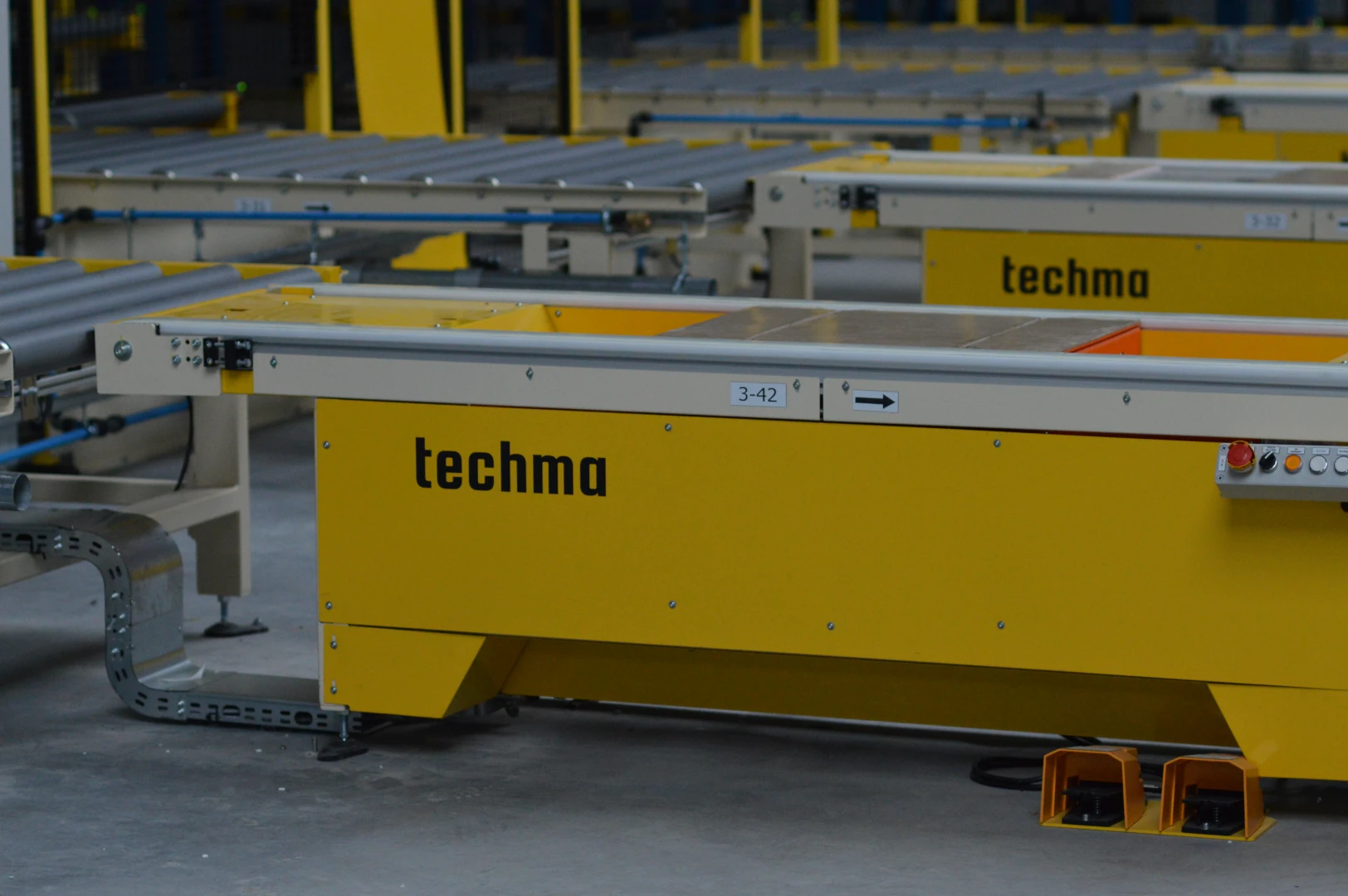
“Logistics is not everything, but without logistics everything is nothing.” This quote refers not only to external transport processes, but also to intralogistics – internal logistics that organizes every movement of goods, from receiving, through storage and order picking, to shipping. At this stage, logistics problems are part of everyday reality, but with the right actions they can be prevented before they lead to delays and financial losses. In this article, we explain what logistics problems are and how to identify them at an early stage.
Logistics problems in a warehouse – how to identify them?
What are logistics problems? Everything that disrupts the smooth flow of goods, information, or people’s work can be classified as such. This applies to warehousing, transport, order picking, returns handling, and communication between departments.
Importantly, logistics problems rarely appear suddenly. They usually build up gradually, and the company becomes accustomed to the chaos until one day it becomes the norm – unfortunately, a norm that generates losses.
If your company experiences:
-
frequent delays in shipments,
-
rising storage and transport costs,
-
discrepancies between system data and reality,
-
a large number of complaints,
-
frustration among warehouse employees,
-
financial losses,
then it is very likely that the source lies in logistics.
What are the most common logistics problems?
We present 8 key points.
1. Rising labor costs
Although increasing wages are a challenge for the entire market, in logistics they particularly expose inefficiencies in processes. Overtime, seasonal work, and difficulties in scaling operations often result from suboptimal warehouse organization, while at the same time customers expect ever faster order fulfillment.
Companies often try to push employees to work harder instead of looking for the real cause of the problem, such as the lack of technological support, including stacker cranes, warehouse lifts, or conveyors.
2. Incorrect order picking
One of the most important processes is order picking, because it directly affects fulfillment time and customer satisfaction. What causes problems? Poorly planned routes, random product placement, or manual pick lists.
All of this results in fewer orders completed per day and a higher risk of errors that quickly turn into customer complaints. Here too, reliable support comes from technology and automation, for example by implementing a WMS.
3. Inventory discrepancies
Nothing disrupts warehouse operations more than differences between the system and reality. A product is theoretically available, but physically it is missing or located somewhere else entirely. This again leads to delays, chaos, and costly mistakes.
4. Goods damage
What damages loads? Improper storage, rush, lack of work standards, and internal transport not suited to the type of goods. Can this be prevented? Yes, by organizing intralogistics processes and implementing automation and dedicated systems. They ensure smooth material flow and reduce costly and troublesome errors.
5. Poor use of space
Sometimes a warehouse seems to lack space – but that does not always mean renting additional area is necessary. Often it is enough to change the racking layout, define zones, and store goods in easily identifiable locations. You can also use the height of the warehouse instead of its width.
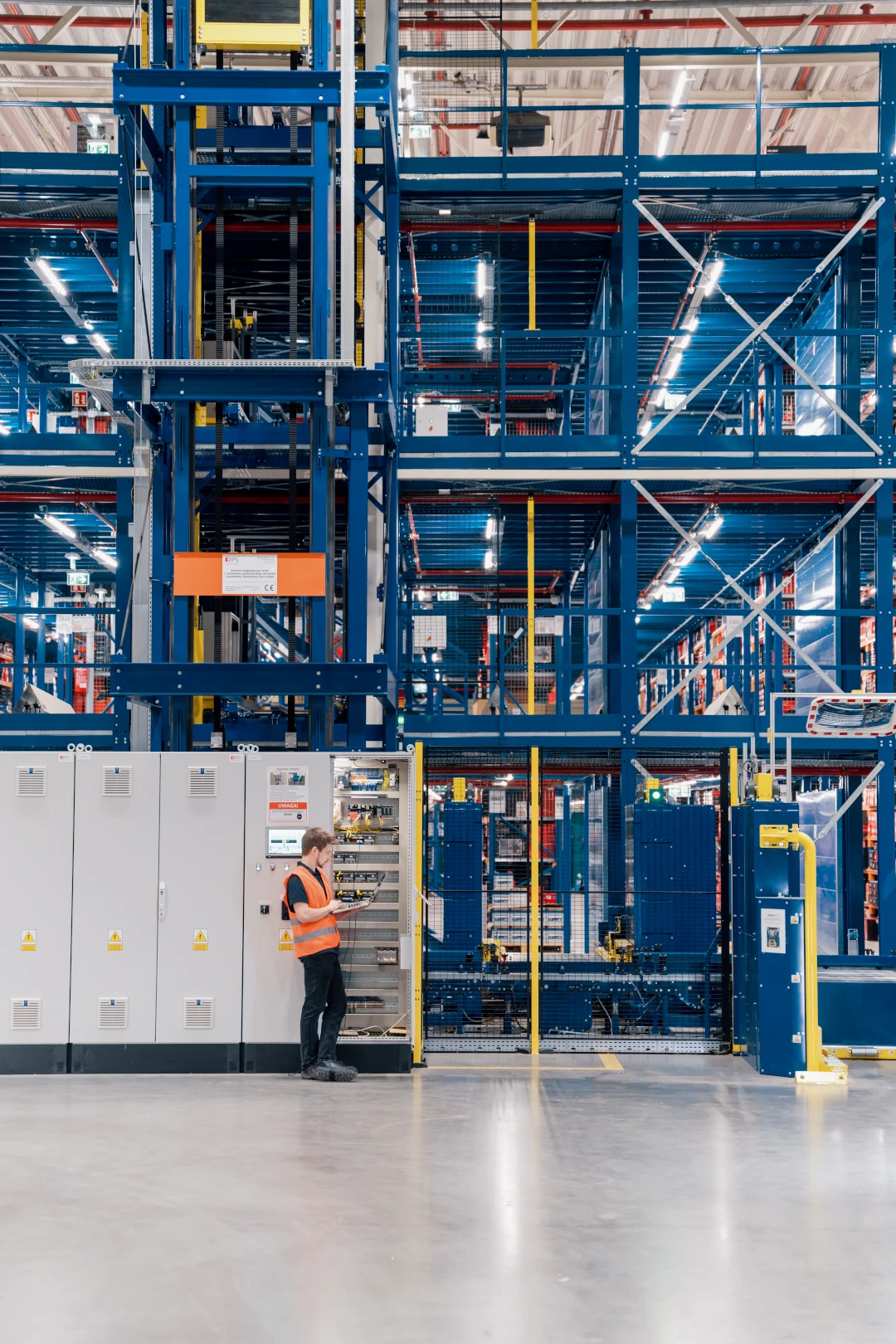
High-bay warehouses allow better use of space thanks to lifts, stacker cranes, or shuttle systems, and the investment is less costly because there is no need to expand the building or look for new facilities.
6. Disorganized returns and complaints
Returns are an everyday reality for many warehouses, especially in the era of rapidly growing e-commerce. A logistics problem arises when the company does not have a clearly defined process for handling them – for example, goods are left in the warehouse and it is unclear whether they are suitable for resale.
7. Unclear labeling
Sometimes warehouses have incorrect, illegible, or poorly thought-out zone markings. This makes picking errors more likely and can even lead to accidents or collisions involving equipment or vehicles. The lack of clear markings for locations, work zones, and transport routes generates losses that can be effectively prevented through well-designed and readable signage.
8. High employee turnover
Every new employee needs onboarding, which temporarily reduces team productivity. When tasks are complex and rely on experience, this process takes longer and generates additional costs. Turnover and temporary absences, including sick leave, make it harder to maintain continuity of operations. During peak periods, companies often hire seasonal workers to handle higher order volumes, which also increases costs.
The most common logistics problems in a warehouse – sometimes small changes are enough
Problems in a warehouse are normal, but they do not have to generate losses. Identify weak points and introduce changes such as:
-
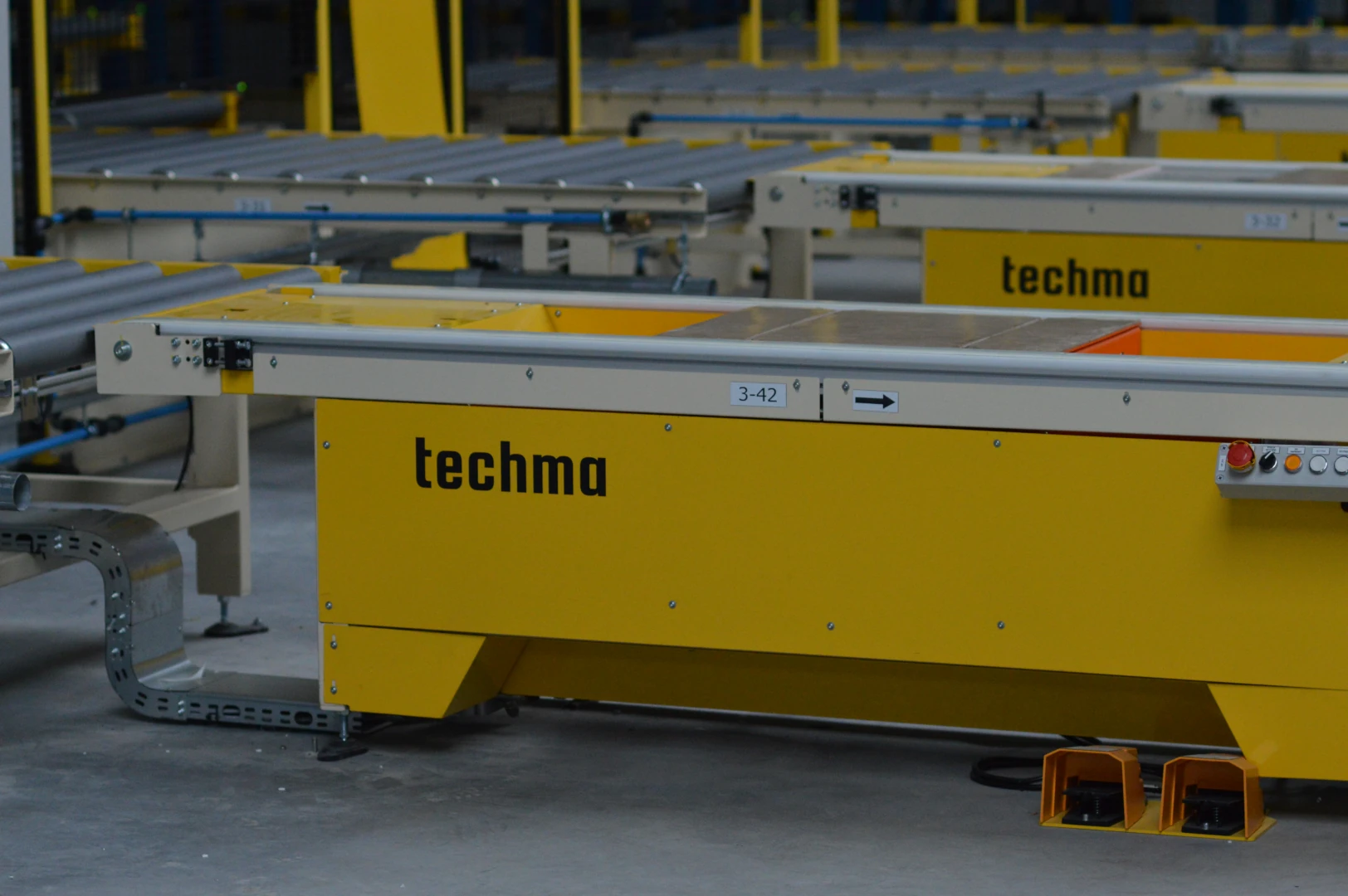
automation of picking and transport (shuttle carts, conveyors, stacker cranes, warehouse lifts),
-
changing the racking layout, defining zones, using the height of the warehouse,
-
IT systems (WMS or ERP) for ongoing inventory monitoring and employee support,
-
labeling and standardization of processes, including returns handling,
-
workforce support – training and automation of repetitive tasks.
If you are particularly interested in the first point on the list above, feel free to contact us – we will show you which warehouse devices can improve daily operations and generate savings of even several dozen percent.
FAQ – the most common logistics problems and solutions
1. What are the most common logistics problems in a company?
The most common logistics problems result from a lack of integration between warehouse and transport processes. They may concern both inventory management and order picking. Implementing warehouse systems and automating processes allows these issues to be effectively minimized.
2. How can inventory management in a warehouse be improved?
Inventory management requires ongoing control of product quantities and their locations. It is worth using a warehouse management system (WMS) and the FEFO principle – first expired, first out – especially for goods with a short shelf life. These actions improve supply chain efficiency and reduce losses.
3. What is the importance of warehouse space optimization?
Lack of space and inefficient use of warehouse area are common problems in distribution logistics. Changing the racking layout, defining zones, and using automated storage systems increase warehouse capacity. This allows the company to manage inventory more effectively and improve customer deliveries.
4. How does process automation support order picking?
Automatic transport and pallet stacker cranes help pick orders faster and reduce errors. Integrating warehouse systems with production processes ensures uninterrupted material flow. As a result, the company increases efficiency and distribution becomes more predictable.
5. How can quality and safety in a warehouse be controlled?
Comprehensive labeling of zones, evacuation routes, and production processes helps prevent accidents and equipment collisions. Quality control should be supported systemically by recording receipts, returns, and complaints. This allows the company to maintain standards and minimize product losses.
6. How should returns be managed in e-commerce?
Disorganized returns are a common problem in e-commerce logistics. Implementing clear return handling procedures, integrating warehouse systems, and performing ongoing inventory checks make it possible to manage returns efficiently and speed up the redistribution of products to new customers. This reduces losses and increases customer satisfaction.
7. What should be done in the case of high warehouse staff turnover?
Each new employee requires onboarding, which temporarily reduces team productivity. Automating warehouse processes and using warehouse management systems makes onboarding faster. In this way, the company maintains process continuity and supply chain stability.
8. How can delivery timeliness and goods distribution be improved?
Delivery delays often result from a lack of optimal planning and inefficient inventory management. Integrating warehouse systems with transport and automating the loading process helps ensure on-time deliveries.
9. Why is it worth conducting a logistics process audit?
An audit helps identify the most common logistics problems in a company. Analyzing warehouse, transport, and picking processes enables planning improvements and implementing automation. This leads to better inventory management and quality control.
10. How do warehouse systems support supply chain management?
Warehouse systems enable precise localization of goods and monitoring of inventory levels. Thanks to integration with production and distribution logistics, the flow of goods from manufacturer to consumer becomes uninterrupted. Automatic information and material flow improves management, planning, and optimization of the supply chain.